
לצפיה באתר בעברית

Rav Sholom Eliezer Halberstam of Ratzpert zt"l

הרב שלום אליעזר בןחיים האלבערשטאם זצ"ל

Sivan 16 , 5704
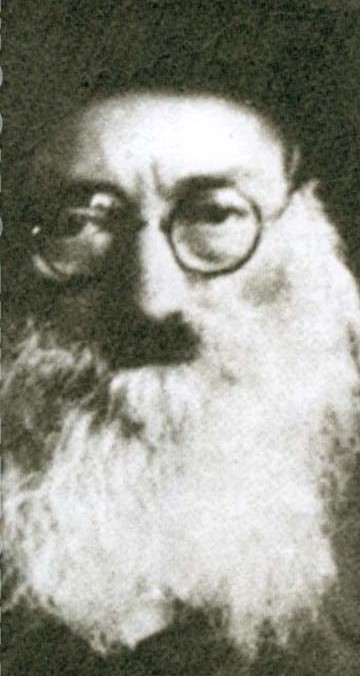
Father's Name: Chaim Halberstam


Rav Sholom Eliezer Halberstam of Ratzpert zt"l

Rebbe Sholom Eliezer Halberstam (1862-1944) was one of the younger sons of the Divrei Chaim, Rebbe of Sanz, a leading righteous man and wonder-worker in the pre-Holocaust generation. Already as a youngster, prominent rebbes spoke of his holiness and lofty soul. For instance, during his stay in Sanz, the Tiferes Shlomo, Rebbe of Radomsk, reputedly pointed to R. Sholom Eliezer and said that at the coming of the Moshiach he will be among the Jewish leaders. At the time of his father's death, he was only 14 years old, and was raised by his elder brother, the Rebbe of Shinova. He married his niece, daughter of his sister and brother-in-law Rebbe Mordechai Dov Twersky, Rabbi of Hornostaipil. In 1886, R. Sholom Eliezer settled in the city of Tarnów (Galicia), and cloistered himself in the kloiz of the Sanz Chassidim studying Torah day and night. In 1899, he established his court in Ratzfert (Ujfeherto, Hungary), remaining there for over 40 years. His reputation as a wonder-worker drew Jews from all over Hungary to his court in Ratzfert, who were subsequently helped by his blessings (see Rabbeinu HaKadosh MiRatzfert, Bnei Brak 2007, for numerous testimonies and accounts of miracles and salvations he effected). During the Holocaust he refused to abandon his community, and perished with them in Auschwitz in Sivan 1944.

https://www.kedem-auctions.com


Stories of Rav Sholom Eliezer Halberstam of Ratzpert zt"l

As is well known, the Divrei Chaim of Sanz was married three times during his life, and from his third wife he had three sons, Rav Aryeh Leibish, Rav Sholom Eliezer of Ratzfert and Rav Yitzchok Yeshaya of Teshechayuv. Rav Sholom Eliezer was a ben zekunim, and the other tzaddikim and rebbes held him in very high esteem. The Klausenberger used to say that the Divrei Chaim himself said that he had seven sons who shined like the seven stars in the heavens, other times he said that they were like seven mirrors.

Rav Elazar Mendel Biderman of Lelov used to tell his son Reb Dovid’l to pay attention and keep an eye on the Divrei Chaim’s two younger sons (Rav Aryeh Leibish passed away at a young age in the Divrei Chaim’s lifetime) because it was well known that they were the rebbe’s youngest sons and were born with extra kedusha and sanctity and that they shined even greater than their older brothers.

When Rav Yissacher Dov of Belz once visited Ratzfert during Chanuka, Rav Sholom Eliezer inquired when the Belzer Rav was lighting candles for he wished to come and see and be present during the mitzvah. When the Belzer Rav entered and saw that the Ratzferter Rav had not yet arrived he waited for him, even when the Ratzferter failed to arrive after waiting a while still the Belzer Rav waited for him. When he noticed that the Chassidim were growing impatient and felt that it was a slight to the Belzer Rav’s honor to wait on another Rebbe, he ignored this and continued waiting. After more time passed the Belzer Rav’s gabbai came and urged the Rebbe to light already and that it would be okay to light the Chanukah candles even without the Ratzferter Rav’s presence. Hearing this the Belzer Rav answered: “What should I do that he had a father who selected his son’s neshamah?”

A similar statement was made by the Unsdorfer Rav, Rav Shmuel Rosenberg author of Be’er Shmuel. He once sent a letter to the Ratzferter asking him for a beracha through a talmid, Reb Yitzchok Frankel. Reb Frankel asked his Rebbe why he was asking him for a beracha, “I know the Ratzferter and he is a holy man who many seeks his berachos, but you rebbe are much elder why do you seek the berachos of a yungerman?” The Unsdorfer Rav’s face flushed with excitement and changed, he stood up and showed him overflowing bookcase to his talmid and asked him rhetorically: “You see this bookcase? Obviously, you know that I recognize and know each sefer in it and each sefer’s place so well that I can take it with my eyes closed? You must know that the Divrei Chaim of Sanz was as much an expert in the realm of souls, the olam of holy neshamos when his sons were born, no less an expert than I am in my seforim shank, and if he himself selected these souls he knew that they were appropriate and fitting for this generation and now you ask me why I ask for the Ratzferter’s beracha?!” (Rabbeinu HaKadosh MeRatzfert, pages 17-20)

When the Ratzferter once came to Nasoyd, a chassid from a village near Nasoyd once came to the Ratzferter for a beracha along with the throngs and multitudes seeking his beracha and advice from Nasoyd and all the environs. He waited patiently on line and by the time he came in and received a beracha, the hour was too late to go back home and so he spent the night in town.

His wife was expecting in her ninth month and was seized by intense labor pains. Seeing the late hour and that her husband did not come home she felt that she was in trouble. She could not get out of bed and was alone and had no one to summon the midwife. In her pain, anguish and distress she cried herself to sleep. She dreamt and saw a vision of an elderly tzaddik who soothed her, comforted her and told her not to worry, “Your husband gave my son a nice sum of money today and asked him for his blessings. As a reward to your husband, I promise you that you will give birth without any danger nor difficulty and I will see to it that your child is born healthy and he will lie beside you safe and sound when you awake.” And so it was, she awoke having miraculously delivered the child who was safe and sound asleep peacefully by her side. When her husband came in the morning and found her and his baby safe she told him the whole story and he understood how the Divrei Chaim of Sanz had himself come to help deliver his baby safely and healing his wife as thanks for having supported his son, the Ratzferter Rav. (Derech Tzaddikim)


Tehillim Leilui Nishmas Rav Sholom Eliezer Halberstam of Ratzpert
שָׂרִים רְדָפוּנִי חִנָּם (ומדבריך) וּמִדְּבָרְךָ פָּחַד לִבִּי: שָׂשׂ אָנֹכִי עַל אִמְרָתֶךָ כְּמוֹצֵא שָׁלָל רָב: שֶׁקֶר שָׂנֵאתִי וַאֲתַעֵבָה תּוֹרָתְךָ אָהָבְתִּי: שֶׁבַע בַּיּוֹם הִלַּלְתִּיךָ עַל מִשְׁפְּטֵי צִדְקֶךָ: שָׁלוֹם רָב לְאֹהֲבֵי תוֹרָתֶךָ וְאֵין לָמוֹ מִכְשׁוֹל: שִׂבַּרְתִּי לִישׁוּעָתְךָ יְהוָה וּמִצְוֹתֶיךָ עָשִׂיתִי: שָׁמְרָה נַפְשִׁי עֵדֹתֶיךָ וָאֹהֲבֵם מְאֹד: שָׁמַרְתִּי פִקּוּדֶיךָ וְעֵדֹתֶיךָ כִּי כָל דְּרָכַי נֶגְדֶּךָ:

לְעוֹלָם יְהוָה דְּבָרְךָ נִצָּב בַּשָּׁמָיִם: לְדֹר וָדֹר אֱמוּנָתֶךָ כּוֹנַנְתָּ אֶרֶץ וַתַּעֲמֹד: לְמִשְׁפָּטֶיךָ עָמְדוּ הַיּוֹם כִּי הַכֹּל עֲבָדֶיךָ: לוּלֵי תוֹרָתְךָ שַׁעֲשֻׁעָי אָז אָבַדְתִּי בְעָנְיִי: לְעוֹלָם לֹא אֶשְׁכַּח פִּקּוּדֶיךָ כִּי בָם חִיִּיתָנִי: לְךָ אֲנִי הוֹשִׁיעֵנִי כִּי פִקּוּדֶיךָ דָרָשְׁתִּי: לִי קִוּוּ רְשָׁעִים לְאַבְּדֵנִי עֵדֹתֶיךָ אֶתְבּוֹנָן: לְכָל תִּכְלָה רָאִיתִי קֵץ רְחָבָה מִצְוָתְךָ מְאֹד:

וִיבֹאֻנִי חֲסָדֶךָ יְהוָה תְּשׁוּעָתְךָ כְּאִמְרָתֶךָ: וְאֶעֱנֶה חֹרְפִי דָבָר כִּי בָטַחְתִּי בִּדְבָרֶךָ: וְאַל תַּצֵּל מִפִּי דְבַר אֱמֶת עַד מְאֹד כִּי לְמִשְׁפָּטֶךָ יִחָלְתִּי: וְאֶשְׁמְרָה תוֹרָתְךָ תָמִיד לְעוֹלָם וָעֶד: וְאֶתְהַלְּכָה בָרְחָבָה כִּי פִקֻּדֶיךָ דָרָשְׁתִּי: וַאֲדַבְּרָה בְעֵדֹתֶיךָ נֶגֶד מְלָכִים וְלֹא אֵבוֹשׁ: וְאֶשְׁתַּעֲשַׁע בְּמִצְוֹתֶיךָ אֲשֶׁר אָהָבְתִּי: וְאֶשָּׂא כַפַּי אֶל מִצְוֹתֶיךָ אֲשֶׁר אָהָבְתִּי וְאָשִׂיחָה בְחֻקֶּיךָ:

מָה אָהַבְתִּי תוֹרָתֶךָ כָּל הַיּוֹם הִיא שִׂיחָתִי: מֵאֹיְבַי תְּחַכְּמֵנִי מִצְוֹתֶךָ כִּי לְעוֹלָם הִיא לִי: מִכָּל מְלַמְּדַי הִשְׂכַּלְתִּי כִּי עֵדְוֹתֶיךָ שִׂיחָה לִֿי: מִזְּקֵנִים אֶתְבּוֹנָן כִּי פִקּוּדֶיךָ נָצָרְתִּי: מִכָּל אֹרַח רָע כָּלִאתִי רַגְלָי לְמַעַן אֶשְׁמֹר דְּבָרֶךָ: מִמִּשְׁפָּטֶיךָ לֹא סָרְתִּי כִּי אַתָּה הוֹרֵתָנִי: מַה נִּמְלְצוּ לְחִכִּי אִמְרָתֶךָ מִדְּבַשׁ לְפִי: מִפִּקּוּדֶיךָ אֶתְבּוֹנָן עַל כֵּן שָׂנֵאתִי כָּל אֹרַח שָׁקֶר:


אַשְׁרֵי תְמִימֵי דָרֶךְ הַהֹלְכִים בְּתוֹרַת יְהוָה: אַשְׁרֵי נֹצְרֵי עֵדֹתָיו בְּכָל לֵב יִדְרְשׁוּהוּ: אַף לֹא פָעֲלוּ עַוְלָה בִּדְרָכָיו הָלָכוּ: אַתָּה צִוִּיתָה פִקֻּדֶיךָ לִשְׁמֹר מְאֹד: אַחֲלַי יִכֹּנוּ דְרָכָי לִשְׁמֹר חֻקֶּיךָ: אָז לֹא אֵבוֹשׁ בְּהַבִּיטִי אֶל כָּל מִצְוֹתֶיךָ: אוֹדְךָ בְּיֹשֶׁר לֵבָב בְּלָמְדִי מִשְׁפְּטֵי צִדְקֶךָ: אֶת חֻקֶּיךָ אֶשְׁמֹר אַל תַּעַזְבֵנִי עַד מְאֹד:

לְעוֹלָם יְהוָה דְּבָרְךָ נִצָּב בַּשָּׁמָיִם: לְדֹר וָדֹר אֱמוּנָתֶךָ כּוֹנַנְתָּ אֶרֶץ וַתַּעֲמֹד: לְמִשְׁפָּטֶיךָ עָמְדוּ הַיּוֹם כִּי הַכֹּל עֲבָדֶיךָ: לוּלֵי תוֹרָתְךָ שַׁעֲשֻׁעָי אָז אָבַדְתִּי בְעָנְיִי: לְעוֹלָם לֹא אֶשְׁכַּח פִּקּוּדֶיךָ כִּי בָם חִיִּיתָנִי: לְךָ אֲנִי הוֹשִׁיעֵנִי כִּי פִקּוּדֶיךָ דָרָשְׁתִּי: לִי קִוּוּ רְשָׁעִים לְאַבְּדֵנִי עֵדֹתֶיךָ אֶתְבּוֹנָן: לְכָל תִּכְלָה רָאִיתִי קֵץ רְחָבָה מִצְוָתְךָ מְאֹד:

ידֶיךָ עָשׂוּנִי וַיְכוֹנְנוּנִי הֲבִינֵנִי וְאֶלְמְדָה מִצְוֹתֶיךָ: יְרֵאֶיךָ יִרְאוּנִי וְיִשְׂמָחוּ כִּי לִדְבָרְךָ יִחָלְתִּי: יָדַעְתִּי יְהוָה כִּי צֶדֶק מִשְׁפָּטֶיךָ וֶאֱמוּנָה עִנִּיתָנִי: יְהִי נָא חַסְדְּךָ לְנַחֲמֵנִי כְּאִמְרָתְךָ לְעַבְדֶּךָ: יְבֹאוּנִי רַחֲמֶיךָ וְאֶחְיֶה כִּי תוֹרָתְךָ שַׁעֲשֻׁעָי: יֵבֹשׁוּ זֵדִים כִּי שֶׁקֶר עִוְּתוּנִי אֲנִי אָשִׂיחַ בְּפִקּוּדֶיךָ: יָשׁוּבוּ לִי יְרֵאֶיךָ (וידעו) וְיֹדְעֵי עֵדֹתֶיךָ: יְהִי לִבִּי תָמִים בְּחֻקֶּיךָ לְמַעַן לֹא אֵבוֹשׁ: כָּלְתָה לִתְשׁוּעָתְךָ נַפְשִׁי לִדְבָרְךָ יִחָלְתִּי:

עָשִׂיתִי מִשְׁפָּט וָצֶדֶק בַּל תַּנִּיחֵנִי לְעֹשְׁקָי: עֲרֹב עַבְדְּךָ לְטוֹב אַל יַעַשְׁקֻנִי זֵדִים: עֵינַי כָּלוּ לִישׁוּעָתֶךָ וּלְאִמְרַת צִדְקֶךָ: עֲשֵׂה עִם עַבְדְּךָ כְחַסְדֶּךָ וְחֻקֶּיךָ לַמְּדֵנִי: עַבְדְּךָ אָנִי הֲבִינֵנִי וְאֵדְעָה עֵדֹתֶיךָ: עֵת לַעֲשׂוֹת לַיהוָה הֵפֵרוּ תּוֹרָתֶךָ: עַל כֵּן אָהַבְתִּי מִצְוֹתֶיךָ מִזָּהָב וּמִפָּז: עַל כֵּן כָּל פִּקּוּדֵי כֹל יִשָּׁרְתִּי כָּל אֹרַח שֶׁקֶר שָׂנֵאתִי:

זְכֹר דָּבָר לְעַבְדֶּךָ עַל אֲשֶׁר יִחַלְתָּנִי: זֹאת נֶחָמָתִי בְעָנְיִי כִּי אִמְרָתְךָ חִיָּתְנִי: זֵדִים הֱלִיצֻנִי עַד מְאֹד מִתּוֹרָתְךָ לֹא נָטִיתִי: זָכַרְתִּי מִשְׁפָּטֶיךָ מֵעוֹלָם יְהוָה וָאֶתְנֶחָם: זַלְעָפָה אֲחָזַתְנִי מֵרְשָׁעִים עֹזְבֵי תּוֹרָתֶךָ: זְמִרוֹת הָיוּ לִי חֻקֶּיךָ בְּבֵית מְגוּרָי: זָכַרְתִּי בַלַּיְלָה שִׁמְךָ יְהוָה וָאֶשְׁמְרָה תּוֹרָתֶךָ: זֹאת הָיְתָה לִּי כִּי פִקֻּדֶיךָ נָצָרְתִּי:

רְאֵה עָנְיִי וְחַלְּצֵנִי כִּי תוֹרָתְךָ לֹא שָׁכָחְתִּי: רִיבָה רִיבִי וּגְאָלֵנִי לְאִמְרָתְךָ חַיֵּנִי: רָחוֹק מֵרְשָׁעִים יְשׁוּעָה כִּי חֻקֶּיךָ לֹא דָרָשׁוּ: רַחֲמֶיךָ רַבִּים יְהוָה כְּמִשְׁפָּטֶיךָ חַיֵּנִי: רַבִּים רֹדְפַי וְצָרָי מֵעֵדְוֹתֶיךָ לֹא נָטִיתִי: רָאִיתִי בֹגְדִים וָאֶתְקוֹטָטָה אֲשֶׁר אִמְרָתְךָ לֹא שָׁמָרוּ: רְאֵה כִּי פִקּוּדֶיךָ אָהָבְתִּי יְהוָה כְּחַסְדְּךָ חַיֵּנִי: רֹאשׁ דְּבָרְךָ אֱמֶת וּלְעוֹלָם כָּל מִשְׁפַּט צִדְקֶךָ:


בַּמֶּה יְזַכֶּה נַּעַר אֶת אָרְחוֹ לִשְׁמֹר כִּדְבָרֶךָ: בְּכָל לִבִּי דְרַשְׁתִּיךָ אַל תַּשְׁגֵּנִי מִמִּצְוֹתֶיךָ: בְּלִבִּי צָפַנְתִּי אִמְרָתֶךָ לְמַעַן לֹא אֶחֱטָא לָךְ: בָּרוּךְ אַתָּה יְהוָה לַמְּדֵנִי חֻקֶּיךָ: בִּשְׂפָתַי סִפַּרְתִּי כֹּל מִשְׁפְּטֵי פִיךָ: בְּדֶרֶךְ עֵדְוֹתֶיךָ שַׂשְׂתִּי כְּעַל כָּל הוֹן: בְּפִקֻּדֶיךָ אָשִׂיחָה וְאַבִּיטָה אֹרְחֹתֶיךָ: בְּחֻקֹּתֶיךָ אֶשְׁתַּעֲשָׁע לֹא אֶשְׁכַּח דְּבָרֶךָ:

נֵר לְרַגְלִי דְבָרֶךָ וְאוֹר לִנְתִיבָתִי: נִשְׁבַּעְתִּי וָאֲקַיֵּמָה לִשְׁמֹר מִשְׁפְּטֵי צִדְקֶךָ: נַעֲנֵיתִי עַד מְאֹד יְהוָה חַיֵּנִי כִדְבָרֶךָ: נִדְבוֹת פִּי רְצֵה נָא יְהוָה וּמִשְׁפָּטֶיךָ לַמְּדֵנִי: נַפְשִׁי בְכַפִּי תָמִיד וְתוֹרָתְךָ לֹא שָׁכָחְתִּי: נָתְנוּ רְשָׁעִים פַּח לִי וּמִפִּקּוּדֶיךָ לֹא תָעִיתִי: נָחַלְתִּי עֵדְוֹתֶיךָ לְעוֹלָם כִּי שְׂשׂוֹן לִבִּי הֵמָּה: נָטִיתִי לִבִּי לַעֲשׂוֹת חֻקֶּיךָ לְעוֹלָם עֵקֶב:

חֶלְקִי יְהוָה אָמַרְתִּי לִשְׁמֹר דְּבָרֶיךָ: חִלִּיתִי פָנֶיךָ בְכָל לֵב חָנֵּנִי כְּאִמְרָתֶךָ: חִשַּׁבְתִּי דְרָכָי וָאָשִׁיבָה רַגְלַי אֶל עֵדֹתֶיךָ: חַשְׁתִּי וְלֹא הִתְמַהְמָהְתִּי לִשְׁמֹר מִצְוֹתֶיךָ: חֶבְלֵי רְשָׁעִים עִוְּדֻנִי תּוֹרָתְךָ לֹא שָׁכָחְתִּי: חֲצוֹת לַיְלָה אָקוּם לְהוֹדוֹת לָךְ עַל מִשְׁפְּטֵי צִדְקֶךָ: חָבֵר אָנִי לְכָל אֲשֶׁר יְרֵאוּךָ וּלְשֹׁמְרֵי פִּקּוּדֶיךָ: חַסְדְּךָ יְהוָה מָלְאָה הָאָרֶץ חֻקֶּיךָ לַמְּדֵנִי:

ידֶיךָ עָשׂוּנִי וַיְכוֹנְנוּנִי הֲבִינֵנִי וְאֶלְמְדָה מִצְוֹתֶיךָ: יְרֵאֶיךָ יִרְאוּנִי וְיִשְׂמָחוּ כִּי לִדְבָרְךָ יִחָלְתִּי: יָדַעְתִּי יְהוָה כִּי צֶדֶק מִשְׁפָּטֶיךָ וֶאֱמוּנָה עִנִּיתָנִי: יְהִי נָא חַסְדְּךָ לְנַחֲמֵנִי כְּאִמְרָתְךָ לְעַבְדֶּךָ: יְבֹאוּנִי רַחֲמֶיךָ וְאֶחְיֶה כִּי תוֹרָתְךָ שַׁעֲשֻׁעָי: יֵבֹשׁוּ זֵדִים כִּי שֶׁקֶר עִוְּתוּנִי אֲנִי אָשִׂיחַ בְּפִקּוּדֶיךָ: יָשׁוּבוּ לִי יְרֵאֶיךָ (וידעו) וְיֹדְעֵי עֵדֹתֶיךָ: יְהִי לִבִּי תָמִים בְּחֻקֶּיךָ לְמַעַן לֹא אֵבוֹשׁ: כָּלְתָה לִתְשׁוּעָתְךָ נַפְשִׁי לִדְבָרְךָ יִחָלְתִּי:

ידֶיךָ עָשׂוּנִי וַיְכוֹנְנוּנִי הֲבִינֵנִי וְאֶלְמְדָה מִצְוֹתֶיךָ: יְרֵאֶיךָ יִרְאוּנִי וְיִשְׂמָחוּ כִּי לִדְבָרְךָ יִחָלְתִּי: יָדַעְתִּי יְהוָה כִּי צֶדֶק מִשְׁפָּטֶיךָ וֶאֱמוּנָה עִנִּיתָנִי: יְהִי נָא חַסְדְּךָ לְנַחֲמֵנִי כְּאִמְרָתְךָ לְעַבְדֶּךָ: יְבֹאוּנִי רַחֲמֶיךָ וְאֶחְיֶה כִּי תוֹרָתְךָ שַׁעֲשֻׁעָי: יֵבֹשׁוּ זֵדִים כִּי שֶׁקֶר עִוְּתוּנִי אֲנִי אָשִׂיחַ בְּפִקּוּדֶיךָ: יָשׁוּבוּ לִי יְרֵאֶיךָ (וידעו) וְיֹדְעֵי עֵדֹתֶיךָ: יְהִי לִבִּי תָמִים בְּחֻקֶּיךָ לְמַעַן לֹא אֵבוֹשׁ: כָּלְתָה לִתְשׁוּעָתְךָ נַפְשִׁי לִדְבָרְךָ יִחָלְתִּי:

מָה אָהַבְתִּי תוֹרָתֶךָ כָּל הַיּוֹם הִיא שִׂיחָתִי: מֵאֹיְבַי תְּחַכְּמֵנִי מִצְוֹתֶךָ כִּי לְעוֹלָם הִיא לִי: מִכָּל מְלַמְּדַי הִשְׂכַּלְתִּי כִּי עֵדְוֹתֶיךָ שִׂיחָה לִֿי: מִזְּקֵנִים אֶתְבּוֹנָן כִּי פִקּוּדֶיךָ נָצָרְתִּי: מִכָּל אֹרַח רָע כָּלִאתִי רַגְלָי לְמַעַן אֶשְׁמֹר דְּבָרֶךָ: מִמִּשְׁפָּטֶיךָ לֹא סָרְתִּי כִּי אַתָּה הוֹרֵתָנִי: מַה נִּמְלְצוּ לְחִכִּי אִמְרָתֶךָ מִדְּבַשׁ לְפִי: מִפִּקּוּדֶיךָ אֶתְבּוֹנָן עַל כֵּן שָׂנֵאתִי כָּל אֹרַח שָׁקֶר:


נֵר לְרַגְלִי דְבָרֶךָ וְאוֹר לִנְתִיבָתִי: נִשְׁבַּעְתִּי וָאֲקַיֵּמָה לִשְׁמֹר מִשְׁפְּטֵי צִדְקֶךָ: נַעֲנֵיתִי עַד מְאֹד יְהוָה חַיֵּנִי כִדְבָרֶךָ: נִדְבוֹת פִּי רְצֵה נָא יְהוָה וּמִשְׁפָּטֶיךָ לַמְּדֵנִי: נַפְשִׁי בְכַפִּי תָמִיד וְתוֹרָתְךָ לֹא שָׁכָחְתִּי: נָתְנוּ רְשָׁעִים פַּח לִי וּמִפִּקּוּדֶיךָ לֹא תָעִיתִי: נָחַלְתִּי עֵדְוֹתֶיךָ לְעוֹלָם כִּי שְׂשׂוֹן לִבִּי הֵמָּה: נָטִיתִי לִבִּי לַעֲשׂוֹת חֻקֶּיךָ לְעוֹלָם עֵקֶב:

שָׂרִים רְדָפוּנִי חִנָּם (ומדבריך) וּמִדְּבָרְךָ פָּחַד לִבִּי: שָׂשׂ אָנֹכִי עַל אִמְרָתֶךָ כְּמוֹצֵא שָׁלָל רָב: שֶׁקֶר שָׂנֵאתִי וַאֲתַעֵבָה תּוֹרָתְךָ אָהָבְתִּי: שֶׁבַע בַּיּוֹם הִלַּלְתִּיךָ עַל מִשְׁפְּטֵי צִדְקֶךָ: שָׁלוֹם רָב לְאֹהֲבֵי תוֹרָתֶךָ וְאֵין לָמוֹ מִכְשׁוֹל: שִׂבַּרְתִּי לִישׁוּעָתְךָ יְהוָה וּמִצְוֹתֶיךָ עָשִׂיתִי: שָׁמְרָה נַפְשִׁי עֵדֹתֶיךָ וָאֹהֲבֵם מְאֹד: שָׁמַרְתִּי פִקּוּדֶיךָ וְעֵדֹתֶיךָ כִּי כָל דְּרָכַי נֶגְדֶּךָ:

מָה אָהַבְתִּי תוֹרָתֶךָ כָּל הַיּוֹם הִיא שִׂיחָתִי: מֵאֹיְבַי תְּחַכְּמֵנִי מִצְוֹתֶךָ כִּי לְעוֹלָם הִיא לִי: מִכָּל מְלַמְּדַי הִשְׂכַּלְתִּי כִּי עֵדְוֹתֶיךָ שִׂיחָה לִֿי: מִזְּקֵנִים אֶתְבּוֹנָן כִּי פִקּוּדֶיךָ נָצָרְתִּי: מִכָּל אֹרַח רָע כָּלִאתִי רַגְלָי לְמַעַן אֶשְׁמֹר דְּבָרֶךָ: מִמִּשְׁפָּטֶיךָ לֹא סָרְתִּי כִּי אַתָּה הוֹרֵתָנִי: מַה נִּמְלְצוּ לְחִכִּי אִמְרָתֶךָ מִדְּבַשׁ לְפִי: מִפִּקּוּדֶיךָ אֶתְבּוֹנָן עַל כֵּן שָׂנֵאתִי כָּל אֹרַח שָׁקֶר:

הֲבִינֵנִי וְאֶצְּרָה תוֹרָתֶךָ וְאֶשְׁמְרֶנָּה בְכָל לֵב: הַדְרִיכֵנִי בִּנְתִיב מִצְוֹתֶיךָ כִּי בוֹ חָפָצְתִּי: הַט לִבִּי אֶל עֵדְוֹתֶיךָ וְאַל אֶל בָּצַע: הַעֲבֵר עֵינַי מֵרְאוֹת שָׁוְא בִּדְרָכֶךָ חַיֵּנִי: הָקֵם לְעַבְדְּךָ אִמְרָתֶךָ אֲשֶׁר לְיִרְאָתֶךָ: הַעֲבֵר חֶרְפָּתִי אֲשֶׁר יָגֹרְתִּי כִּי מִשְׁפָּטֶיךָ טוֹבִים: הִנֵּה תָּאַבְתִּי לְפִקֻּדֶיךָ בְּצִדְקָתְךָ חַיֵּנִי:

Sign In

Register

Reset Password

Please enter your username or email address, you will receive a link to create a new password via email.