לצפיה באתר בעברית

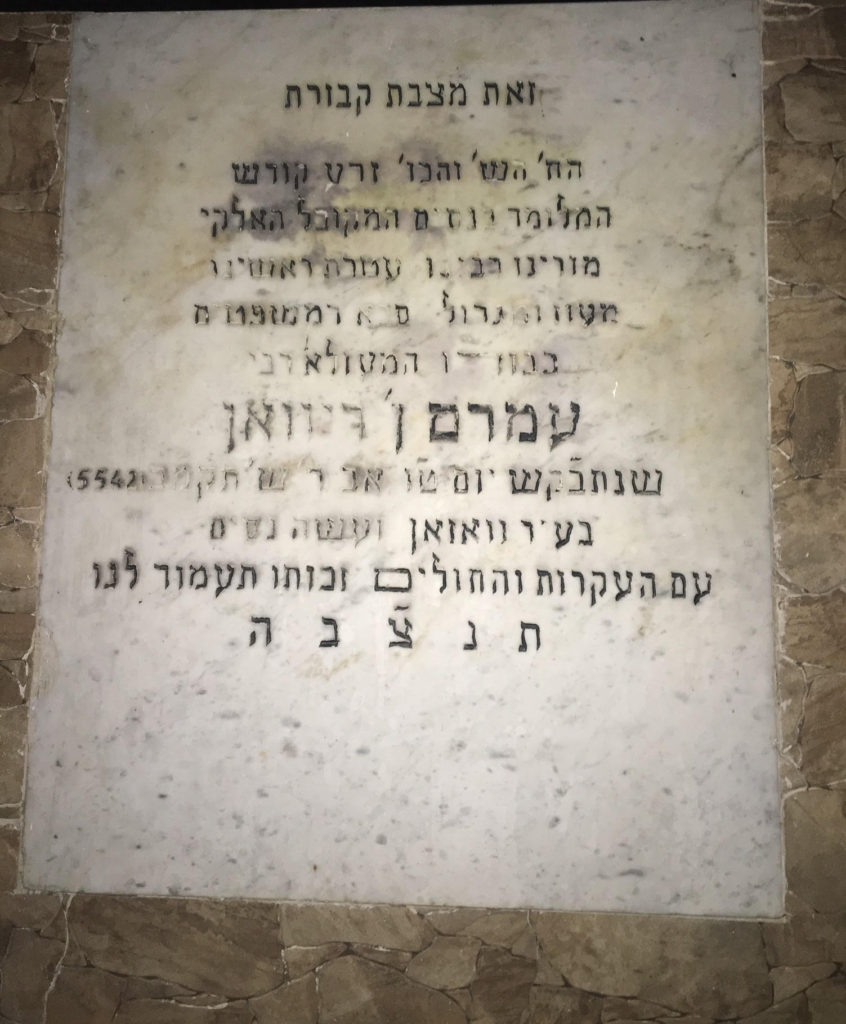
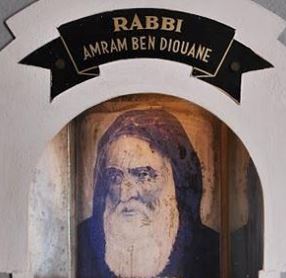
Rav Amram ben Diwan zt"l

הרב עמרם בן דיוואן בן אפרים זצ"ל

Av 9 , 5542 / Av 15 , 5542
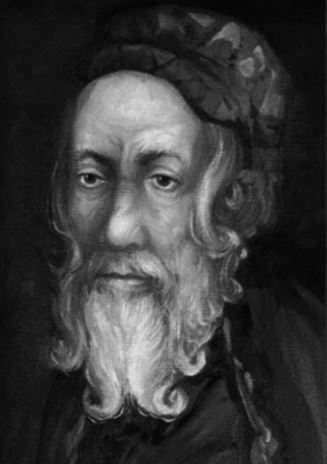
Father's Name: Efraim


Rav Amram ben Diwan zt"l

Rabbi Amram Ben Diwan  It is always with a feeling of respect and awe that the Jews of Morocco evoke the holy name of Rabbi Amram Ben Diwan.  Rabbi Amram Ben Diwan was born in Jerusalem, and later he settled in Chevron. In 5523 (1743), he was chosen by the Rabbis of Hebron as an emissary to Morocco with the mission of collecting money for the yeshivas of the Holy Land. He decided to settle in the Moroccan town of Wazan, and there he founded a Talmud-Torah and a yeshiva where numerous students came to quench their thirst for study by drinking from the source of his words.  Rabbi Amram became attached to his students. His fatherly affection created a solid connection between him and his students. He provided for all their material needs, and spiritually directed them on the path that leads to the performance of G-d’s will. By his rich and varied pursuits, he contributed to the elevation and dissemination of Torah in all the communities of Morocco. Rabbi Amram was also known for his miracles. His blessings always came to pass, and Jews would travel from all the towns of Morocco to urgently seek him in order to be delivered, through his merit, from their troubles. He occupied himself with the well-being of everyone in particular, and the well-being of the community in general. His home was always open to all the afflicted who came knocking at his door, hoping that the Tzaddik would be their staunchest defender before our Father, the Holy One, blessed be He.  After a long stay in Morocco, Rabbi Amram felt a great longing for Eretz Yisrael. He therefore interrupted his holy work. His students, to whom he had taught Torah, had themselves become great scholars over the course of the years. Thus he decided to return to the Holy Land. When he arrived in Chevron, he became friends with Rabbi Chaim Bagoyo and Rabbi Avraham Gedalia, the Rabbis of the city. Together they studied Torah and penetrated many of its wondrous secrets, ascending day by day the rungs of perfection in Torah study and Divine service.  However, Rabbi Amram’s stay in Chevron was short-lived. An unfortunate incident caused his departure, forcing him to take up the mantle of sojourner once again and return to Morocco. The following story describes what happened.  At that time, Jews were not permitted to enter into the tomb of the Patriarchs. However, for Rabbi Amram, this prohibition did not in the least quench his fervent desire to pray by the tomb of our Fathers. He therefore disguised himself as an Arab, and without being noticed he entered the cave with the rest of the Muslims that had also come there to pray. Imagine his emotions when he approached the tomb of the Patriarchs! As his face became drenched with tears, he quietly uttered his prayers, beseeching the Creator of the world to hasten the Final Redemption. No one doubted that this “Muslim”, so absorbed as he was in his prayer, was nothing other than a Jew. Suddenly, as Rabbi Amram was preparing to leave, an Arab saw and recognized him. Immediately, he ran to the Pasha and informed him of the offense.  Rabbi Amram incurred heavy suffering for such a sacrilege. A friend of Rabbi Amram, who was also a servant of the Pasha, hurried to warn him that he intended to arrest him. In the middle of the night, Rabbi Amram, accompanied by his young son, Rabbi Haim, left their home. They feared returning to Jerusalem or a neighboring country because during that era Turkish power held sway over several countries. He therefore decided to return to Morocco. As soon as he arrived in Fez, the city’s inhabitants welcomed him with great honor. Many of the city’s notable men quarreled over the merit of having him as their guest. He was finally received by Rabbi Menasheh Ibn Denan, one of the leaders of Fez’s Jewish community.  The story is told that Rabbi Menasheh’s children were all girls, and that another girl had just been born to him. Rabbi Amram advised him to name her Fedina, which means, “we have finished”. In other words, we have finished giving birth to girls. And it was thus that after this girl, Rabbi Menasheh had only boys.  Not long after his arrival in Fez, Rabbi Amram and his son Rabbi Haim traveled to all the towns of Morocco in order to spread the teaching of Torah. He arrived in Sefru, where he lodged in the Elbaz home. Having no children of their own, they asked him for a blessing to have a son. Rabbi Amram blessed them and promised that in the following year, at the very same time of year, the wife would give birth to a son who would later become a great Torah scholar. The blessing of the Tzaddik came to fruition. The son who was born to the Elbaz family was given the name of the Tzaddik, Amram, and afterwards the name of Rabbi Amram of Sefru became famous as a Gaon and great Torah Scholar.  While Rabbi Amram was staying in the Elbaz home in Sefru, his son Rabbi Chaim fell deathly ill. The doctors gave him no chance at recovering. Rabbi Amram prayed to the Creator of the world that He take his soul in place of his son’s. His son, Rabbi Chaim, recovered from his illness, and they continued on their journey to all the towns of Morocco. When they arrived in Wazan, Rabbi Amram himself fell gravely ill, and soon afterwards rendered his soul to his Creator.  The tomb of Rabbi Amram became a place of pilgrimage for all the Jews of Morocco.  The great poet, Rabbi Dovid Ben Hassin, composed a liturgical poem especially in his honor, a song that is sung by the Jews of Morocco on the day of his Hilloula.  His son, Rabbi Chaim Ben Diwan, continued his father’s work. He traveled from town to town with the goal of instructing Torah. He died at a ripe old age and rests in the village of Anranz, south of Marrakech. His tomb has also become a place of pilgrimage for all the Jews of Morocco.  May his merit protect us. Amen.


Stories of Rav Amram ben Diwan zt"l

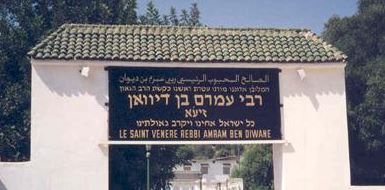
There are many fascinating stories of the yeshuos of those who were zoche to daven at the kever of the great tzadik and mekubal Reb Amram Ben Diwan in Morocco.His kever has become a place of pilgrimage for all Moroccan Jews. Each year on Lag BaOmer, thousands of Jews come to Wazan to make the pilgrimage to the tzion of the tzadik. Numerous miracles are said to have occurred there: Incurable illnesses have been healed, the blind have regained their sight,, the mute have found their voice, the paralyzed have returned home on their own, and infertile women have had children after having prayed there.

They tell that a French military sergeant had a son who remained paralyzed after a serious illness. This sergeant had a Jewish friend that advised him to take his son to the tomb of Rabbi Amram Ben Diwan in Wazan. At first, the sergeant was skeptical and refused, but then later promised that if a miracle were to happen and his son would be healed, he would build a road with his own money in order to facilitate access to the tomb of the Tzaddik. The miracle occurred: As soon as his son approached the kever of Rabbi Amram, he was healed. The happy father kept his promise and constructed a road that leads to the tomb of Rabbi Amram.

Yet another story comes from a couple in Monsey, NY who were not zoche to have a child for 15 years. They were told to go and daven by the kever of Reb Amram. After finishing the entire tehillim at the kever, the husband heard the sound of a baby crying. Nobody else in the vicinity heard this wondrous sound. Nine months later this couple had a child.

One anonymous source tells the following stunning story:

“I was zoche to hear this story from the father and I actually held this miracle baby in my arms. After hearing this story, I called two friends who were having a challenging time with shidduchim. I told them we need to book tickets and go daven by this great tzadik’s tomb.

We booked and headed out to Morocco. En route we decided to spend Shabbos in Gibraltar. We ate our Shabbos meals by the president of the Community Mr. Solomon Levy. He told us about his nephew who was crippled from birth. The parents of the boy decided to go to the tzion of Reb Amram. After praying, they went for a walk and left the boy in his wheelchair to continue praying by the Tzadik. The boy prayed a little then drifted off into a slumber. In his dream a man with a white beard appeared.

He said, “What are you doing in a cemetery? You are a Kohen. You must leave at once.” The boy replied, “I can’t walk. How can I leave?”
Reb Amram replied, “Just pick yourself up and walk out.” The boy awoke and, miraculously, he used his own two feet to wobble out of the kever. He continued with physical therapy and today is walking like a normal person.
After shabbos, we traveled from Gibraltar to Morocco. We prayed and recited the full tehillim by the Kever. We stayed a few days and toured Fez, then returned to the US. The following Rosh Chodesh Cheshvan, I made a Lechaim and got engaged. The following two weeks, one after another, my two friends got engaged.

On a recent trip to Israel, after praying by Kever Rochel an Israeli looking man asked me for a ride into Jerusalem. As we were riding in the car, wanting to make light conversation, I asked his name. He said, “My name is Amram Biton.” Stunned, I asked if he was from Moroccan descent and if he ever had heard of Reb Amram Ben Diwan. He turned to me in awe and said, “ I am named after him. My mother was childless for many years and made the journey to his kever. She promised the Tzadik that if she had a baby, she would name him Amram. I am that baby.”

These stories are truly beyond the scope of our imagination. Reb Amram of Diwan’s yartzeit is coming up this Tu B’Av and people from all over the world are traveling to his kever to daven.


Tehillim Leilui Nishmas Rav Amram ben Diwan
עָשִׂיתִי מִשְׁפָּט וָצֶדֶק בַּל תַּנִּיחֵנִי לְעֹשְׁקָי: עֲרֹב עַבְדְּךָ לְטוֹב אַל יַעַשְׁקֻנִי זֵדִים: עֵינַי כָּלוּ לִישׁוּעָתֶךָ וּלְאִמְרַת צִדְקֶךָ: עֲשֵׂה עִם עַבְדְּךָ כְחַסְדֶּךָ וְחֻקֶּיךָ לַמְּדֵנִי: עַבְדְּךָ אָנִי הֲבִינֵנִי וְאֵדְעָה עֵדֹתֶיךָ: עֵת לַעֲשׂוֹת לַיהוָה הֵפֵרוּ תּוֹרָתֶךָ: עַל כֵּן אָהַבְתִּי מִצְוֹתֶיךָ מִזָּהָב וּמִפָּז: עַל כֵּן כָּל פִּקּוּדֵי כֹל יִשָּׁרְתִּי כָּל אֹרַח שֶׁקֶר שָׂנֵאתִי:

מָה אָהַבְתִּי תוֹרָתֶךָ כָּל הַיּוֹם הִיא שִׂיחָתִי: מֵאֹיְבַי תְּחַכְּמֵנִי מִצְוֹתֶךָ כִּי לְעוֹלָם הִיא לִי: מִכָּל מְלַמְּדַי הִשְׂכַּלְתִּי כִּי עֵדְוֹתֶיךָ שִׂיחָה לִֿי: מִזְּקֵנִים אֶתְבּוֹנָן כִּי פִקּוּדֶיךָ נָצָרְתִּי: מִכָּל אֹרַח רָע כָּלִאתִי רַגְלָי לְמַעַן אֶשְׁמֹר דְּבָרֶךָ: מִמִּשְׁפָּטֶיךָ לֹא סָרְתִּי כִּי אַתָּה הוֹרֵתָנִי: מַה נִּמְלְצוּ לְחִכִּי אִמְרָתֶךָ מִדְּבַשׁ לְפִי: מִפִּקּוּדֶיךָ אֶתְבּוֹנָן עַל כֵּן שָׂנֵאתִי כָּל אֹרַח שָׁקֶר:

רְאֵה עָנְיִי וְחַלְּצֵנִי כִּי תוֹרָתְךָ לֹא שָׁכָחְתִּי: רִיבָה רִיבִי וּגְאָלֵנִי לְאִמְרָתְךָ חַיֵּנִי: רָחוֹק מֵרְשָׁעִים יְשׁוּעָה כִּי חֻקֶּיךָ לֹא דָרָשׁוּ: רַחֲמֶיךָ רַבִּים יְהוָה כְּמִשְׁפָּטֶיךָ חַיֵּנִי: רַבִּים רֹדְפַי וְצָרָי מֵעֵדְוֹתֶיךָ לֹא נָטִיתִי: רָאִיתִי בֹגְדִים וָאֶתְקוֹטָטָה אֲשֶׁר אִמְרָתְךָ לֹא שָׁמָרוּ: רְאֵה כִּי פִקּוּדֶיךָ אָהָבְתִּי יְהוָה כְּחַסְדְּךָ חַיֵּנִי: רֹאשׁ דְּבָרְךָ אֱמֶת וּלְעוֹלָם כָּל מִשְׁפַּט צִדְקֶךָ:

מָה אָהַבְתִּי תוֹרָתֶךָ כָּל הַיּוֹם הִיא שִׂיחָתִי: מֵאֹיְבַי תְּחַכְּמֵנִי מִצְוֹתֶךָ כִּי לְעוֹלָם הִיא לִי: מִכָּל מְלַמְּדַי הִשְׂכַּלְתִּי כִּי עֵדְוֹתֶיךָ שִׂיחָה לִֿי: מִזְּקֵנִים אֶתְבּוֹנָן כִּי פִקּוּדֶיךָ נָצָרְתִּי: מִכָּל אֹרַח רָע כָּלִאתִי רַגְלָי לְמַעַן אֶשְׁמֹר דְּבָרֶךָ: מִמִּשְׁפָּטֶיךָ לֹא סָרְתִּי כִּי אַתָּה הוֹרֵתָנִי: מַה נִּמְלְצוּ לְחִכִּי אִמְרָתֶךָ מִדְּבַשׁ לְפִי: מִפִּקּוּדֶיךָ אֶתְבּוֹנָן עַל כֵּן שָׂנֵאתִי כָּל אֹרַח שָׁקֶר:


בַּמֶּה יְזַכֶּה נַּעַר אֶת אָרְחוֹ לִשְׁמֹר כִּדְבָרֶךָ: בְּכָל לִבִּי דְרַשְׁתִּיךָ אַל תַּשְׁגֵּנִי מִמִּצְוֹתֶיךָ: בְּלִבִּי צָפַנְתִּי אִמְרָתֶךָ לְמַעַן לֹא אֶחֱטָא לָךְ: בָּרוּךְ אַתָּה יְהוָה לַמְּדֵנִי חֻקֶּיךָ: בִּשְׂפָתַי סִפַּרְתִּי כֹּל מִשְׁפְּטֵי פִיךָ: בְּדֶרֶךְ עֵדְוֹתֶיךָ שַׂשְׂתִּי כְּעַל כָּל הוֹן: בְּפִקֻּדֶיךָ אָשִׂיחָה וְאַבִּיטָה אֹרְחֹתֶיךָ: בְּחֻקֹּתֶיךָ אֶשְׁתַּעֲשָׁע לֹא אֶשְׁכַּח דְּבָרֶךָ:

נֵר לְרַגְלִי דְבָרֶךָ וְאוֹר לִנְתִיבָתִי: נִשְׁבַּעְתִּי וָאֲקַיֵּמָה לִשְׁמֹר מִשְׁפְּטֵי צִדְקֶךָ: נַעֲנֵיתִי עַד מְאֹד יְהוָה חַיֵּנִי כִדְבָרֶךָ: נִדְבוֹת פִּי רְצֵה נָא יְהוָה וּמִשְׁפָּטֶיךָ לַמְּדֵנִי: נַפְשִׁי בְכַפִּי תָמִיד וְתוֹרָתְךָ לֹא שָׁכָחְתִּי: נָתְנוּ רְשָׁעִים פַּח לִי וּמִפִּקּוּדֶיךָ לֹא תָעִיתִי: נָחַלְתִּי עֵדְוֹתֶיךָ לְעוֹלָם כִּי שְׂשׂוֹן לִבִּי הֵמָּה: נָטִיתִי לִבִּי לַעֲשׂוֹת חֻקֶּיךָ לְעוֹלָם עֵקֶב:


דָּבְקָה לֶעָפָר נַפְשִׁי חַיֵּנִי כִּדְבָרֶךָ: דְּרָכַי סִפַּרְתִּי וַתַּעֲנֵנִי לַמְּדֵנִי חֻקֶּיךָ: דֶּרֶךְ פִּקּוּדֶיךָ הֲבִינֵנִי וְאָשִׂיחָה בְּנִפְלְאוֹתֶיךָ: דָּלְפָה נַפְשִׁי מִתּוּגָה קַיְּמֵנִי כִּדְבָרֶךָ: דֶּרֶךְ שֶׁקֶר הָסֵר מִמֶּנִּי וְתוֹרָתְךָ חָנֵּנִי: דֶּרֶךְ אֱמוּנָה בָחָרְתִּי מִשְׁפָּטֶיךָ שִׁוִּיתִי: דָּבַקְתִּי בְעֵדְוֹתֶיךָ יְהוָה אַל תְּבִישֵׁנִי: דֶּרֶךְ מִצְוֹתֶיךָ אָרוּץ כִּי תַרְחִיב לִבִּי: הוֹרֵנִי יְהוָה דֶּרֶךְ חֻקֶּיךָ וְאֶצְּרֶנָּה עֵקֶב:

ידֶיךָ עָשׂוּנִי וַיְכוֹנְנוּנִי הֲבִינֵנִי וְאֶלְמְדָה מִצְוֹתֶיךָ: יְרֵאֶיךָ יִרְאוּנִי וְיִשְׂמָחוּ כִּי לִדְבָרְךָ יִחָלְתִּי: יָדַעְתִּי יְהוָה כִּי צֶדֶק מִשְׁפָּטֶיךָ וֶאֱמוּנָה עִנִּיתָנִי: יְהִי נָא חַסְדְּךָ לְנַחֲמֵנִי כְּאִמְרָתְךָ לְעַבְדֶּךָ: יְבֹאוּנִי רַחֲמֶיךָ וְאֶחְיֶה כִּי תוֹרָתְךָ שַׁעֲשֻׁעָי: יֵבֹשׁוּ זֵדִים כִּי שֶׁקֶר עִוְּתוּנִי אֲנִי אָשִׂיחַ בְּפִקּוּדֶיךָ: יָשׁוּבוּ לִי יְרֵאֶיךָ (וידעו) וְיֹדְעֵי עֵדֹתֶיךָ: יְהִי לִבִּי תָמִים בְּחֻקֶּיךָ לְמַעַן לֹא אֵבוֹשׁ: כָּלְתָה לִתְשׁוּעָתְךָ נַפְשִׁי לִדְבָרְךָ יִחָלְתִּי:

וִיבֹאֻנִי חֲסָדֶךָ יְהוָה תְּשׁוּעָתְךָ כְּאִמְרָתֶךָ: וְאֶעֱנֶה חֹרְפִי דָבָר כִּי בָטַחְתִּי בִּדְבָרֶךָ: וְאַל תַּצֵּל מִפִּי דְבַר אֱמֶת עַד מְאֹד כִּי לְמִשְׁפָּטֶךָ יִחָלְתִּי: וְאֶשְׁמְרָה תוֹרָתְךָ תָמִיד לְעוֹלָם וָעֶד: וְאֶתְהַלְּכָה בָרְחָבָה כִּי פִקֻּדֶיךָ דָרָשְׁתִּי: וַאֲדַבְּרָה בְעֵדֹתֶיךָ נֶגֶד מְלָכִים וְלֹא אֵבוֹשׁ: וְאֶשְׁתַּעֲשַׁע בְּמִצְוֹתֶיךָ אֲשֶׁר אָהָבְתִּי: וְאֶשָּׂא כַפַּי אֶל מִצְוֹתֶיךָ אֲשֶׁר אָהָבְתִּי וְאָשִׂיחָה בְחֻקֶּיךָ:

וִיבֹאֻנִי חֲסָדֶךָ יְהוָה תְּשׁוּעָתְךָ כְּאִמְרָתֶךָ: וְאֶעֱנֶה חֹרְפִי דָבָר כִּי בָטַחְתִּי בִּדְבָרֶךָ: וְאַל תַּצֵּל מִפִּי דְבַר אֱמֶת עַד מְאֹד כִּי לְמִשְׁפָּטֶךָ יִחָלְתִּי: וְאֶשְׁמְרָה תוֹרָתְךָ תָמִיד לְעוֹלָם וָעֶד: וְאֶתְהַלְּכָה בָרְחָבָה כִּי פִקֻּדֶיךָ דָרָשְׁתִּי: וַאֲדַבְּרָה בְעֵדֹתֶיךָ נֶגֶד מְלָכִים וְלֹא אֵבוֹשׁ: וְאֶשְׁתַּעֲשַׁע בְּמִצְוֹתֶיךָ אֲשֶׁר אָהָבְתִּי: וְאֶשָּׂא כַפַּי אֶל מִצְוֹתֶיךָ אֲשֶׁר אָהָבְתִּי וְאָשִׂיחָה בְחֻקֶּיךָ:

אַשְׁרֵי תְמִימֵי דָרֶךְ הַהֹלְכִים בְּתוֹרַת יְהוָה: אַשְׁרֵי נֹצְרֵי עֵדֹתָיו בְּכָל לֵב יִדְרְשׁוּהוּ: אַף לֹא פָעֲלוּ עַוְלָה בִּדְרָכָיו הָלָכוּ: אַתָּה צִוִּיתָה פִקֻּדֶיךָ לִשְׁמֹר מְאֹד: אַחֲלַי יִכֹּנוּ דְרָכָי לִשְׁמֹר חֻקֶּיךָ: אָז לֹא אֵבוֹשׁ בְּהַבִּיטִי אֶל כָּל מִצְוֹתֶיךָ: אוֹדְךָ בְּיֹשֶׁר לֵבָב בְּלָמְדִי מִשְׁפְּטֵי צִדְקֶךָ: אֶת חֻקֶּיךָ אֶשְׁמֹר אַל תַּעַזְבֵנִי עַד מְאֹד:

נֵר לְרַגְלִי דְבָרֶךָ וְאוֹר לִנְתִיבָתִי: נִשְׁבַּעְתִּי וָאֲקַיֵּמָה לִשְׁמֹר מִשְׁפְּטֵי צִדְקֶךָ: נַעֲנֵיתִי עַד מְאֹד יְהוָה חַיֵּנִי כִדְבָרֶךָ: נִדְבוֹת פִּי רְצֵה נָא יְהוָה וּמִשְׁפָּטֶיךָ לַמְּדֵנִי: נַפְשִׁי בְכַפִּי תָמִיד וְתוֹרָתְךָ לֹא שָׁכָחְתִּי: נָתְנוּ רְשָׁעִים פַּח לִי וּמִפִּקּוּדֶיךָ לֹא תָעִיתִי: נָחַלְתִּי עֵדְוֹתֶיךָ לְעוֹלָם כִּי שְׂשׂוֹן לִבִּי הֵמָּה: נָטִיתִי לִבִּי לַעֲשׂוֹת חֻקֶּיךָ לְעוֹלָם עֵקֶב:


בַּמֶּה יְזַכֶּה נַּעַר אֶת אָרְחוֹ לִשְׁמֹר כִּדְבָרֶךָ: בְּכָל לִבִּי דְרַשְׁתִּיךָ אַל תַּשְׁגֵּנִי מִמִּצְוֹתֶיךָ: בְּלִבִּי צָפַנְתִּי אִמְרָתֶךָ לְמַעַן לֹא אֶחֱטָא לָךְ: בָּרוּךְ אַתָּה יְהוָה לַמְּדֵנִי חֻקֶּיךָ: בִּשְׂפָתַי סִפַּרְתִּי כֹּל מִשְׁפְּטֵי פִיךָ: בְּדֶרֶךְ עֵדְוֹתֶיךָ שַׂשְׂתִּי כְּעַל כָּל הוֹן: בְּפִקֻּדֶיךָ אָשִׂיחָה וְאַבִּיטָה אֹרְחֹתֶיךָ: בְּחֻקֹּתֶיךָ אֶשְׁתַּעֲשָׁע לֹא אֶשְׁכַּח דְּבָרֶךָ:

נֵר לְרַגְלִי דְבָרֶךָ וְאוֹר לִנְתִיבָתִי: נִשְׁבַּעְתִּי וָאֲקַיֵּמָה לִשְׁמֹר מִשְׁפְּטֵי צִדְקֶךָ: נַעֲנֵיתִי עַד מְאֹד יְהוָה חַיֵּנִי כִדְבָרֶךָ: נִדְבוֹת פִּי רְצֵה נָא יְהוָה וּמִשְׁפָּטֶיךָ לַמְּדֵנִי: נַפְשִׁי בְכַפִּי תָמִיד וְתוֹרָתְךָ לֹא שָׁכָחְתִּי: נָתְנוּ רְשָׁעִים פַּח לִי וּמִפִּקּוּדֶיךָ לֹא תָעִיתִי: נָחַלְתִּי עֵדְוֹתֶיךָ לְעוֹלָם כִּי שְׂשׂוֹן לִבִּי הֵמָּה: נָטִיתִי לִבִּי לַעֲשׂוֹת חֻקֶּיךָ לְעוֹלָם עֵקֶב:


אַשְׁרֵי תְמִימֵי דָרֶךְ הַהֹלְכִים בְּתוֹרַת יְהוָה: אַשְׁרֵי נֹצְרֵי עֵדֹתָיו בְּכָל לֵב יִדְרְשׁוּהוּ: אַף לֹא פָעֲלוּ עַוְלָה בִּדְרָכָיו הָלָכוּ: אַתָּה צִוִּיתָה פִקֻּדֶיךָ לִשְׁמֹר מְאֹד: אַחֲלַי יִכֹּנוּ דְרָכָי לִשְׁמֹר חֻקֶּיךָ: אָז לֹא אֵבוֹשׁ בְּהַבִּיטִי אֶל כָּל מִצְוֹתֶיךָ: אוֹדְךָ בְּיֹשֶׁר לֵבָב בְּלָמְדִי מִשְׁפְּטֵי צִדְקֶךָ: אֶת חֻקֶּיךָ אֶשְׁמֹר אַל תַּעַזְבֵנִי עַד מְאֹד:

פְּלָאוֹת עֵדְוֹתֶיךָ עַל כֵּן נְצָרָתַם נַפְשִׁי: פֵּתַח דְּבָרֶיךָ יָאִיר מֵבִין פְּתָיִים: פִּי פָעַרְתִּי וָאֶשְׁאָפָה כִּי לְמִצְוֹתֶיךָ יָאָבְתִּי: פְּנֵה אֵלַי וְחָנֵּנִי כְּמִשְׁפָּט לְאֹהֲבֵי שְׁמֶךָ: פְּעָמַי הָכֵן בְּאִמְרָתֶךָ וְאַל תַּשְׁלֶט בִּי כָל אָוֶן: פְּדֵנִי מֵעֹשֶׁק אָדָם וְאֶשְׁמְרָה פִּקּוּדֶיךָ: פָּנֶיךָ הָאֵר בְּעַבְדֶּךָ וְלַמְּדֵנִי אֶת חֻקֶּיךָ: פַּלְגֵי מַיִם יָרְדוּ עֵינָי עַל לֹא שָׁמְרוּ תוֹרָתֶךָ

רְאֵה עָנְיִי וְחַלְּצֵנִי כִּי תוֹרָתְךָ לֹא שָׁכָחְתִּי: רִיבָה רִיבִי וּגְאָלֵנִי לְאִמְרָתְךָ חַיֵּנִי: רָחוֹק מֵרְשָׁעִים יְשׁוּעָה כִּי חֻקֶּיךָ לֹא דָרָשׁוּ: רַחֲמֶיךָ רַבִּים יְהוָה כְּמִשְׁפָּטֶיךָ חַיֵּנִי: רַבִּים רֹדְפַי וְצָרָי מֵעֵדְוֹתֶיךָ לֹא נָטִיתִי: רָאִיתִי בֹגְדִים וָאֶתְקוֹטָטָה אֲשֶׁר אִמְרָתְךָ לֹא שָׁמָרוּ: רְאֵה כִּי פִקּוּדֶיךָ אָהָבְתִּי יְהוָה כְּחַסְדְּךָ חַיֵּנִי: רֹאשׁ דְּבָרְךָ אֱמֶת וּלְעוֹלָם כָּל מִשְׁפַּט צִדְקֶךָ:

ידֶיךָ עָשׂוּנִי וַיְכוֹנְנוּנִי הֲבִינֵנִי וְאֶלְמְדָה מִצְוֹתֶיךָ: יְרֵאֶיךָ יִרְאוּנִי וְיִשְׂמָחוּ כִּי לִדְבָרְךָ יִחָלְתִּי: יָדַעְתִּי יְהוָה כִּי צֶדֶק מִשְׁפָּטֶיךָ וֶאֱמוּנָה עִנִּיתָנִי: יְהִי נָא חַסְדְּךָ לְנַחֲמֵנִי כְּאִמְרָתְךָ לְעַבְדֶּךָ: יְבֹאוּנִי רַחֲמֶיךָ וְאֶחְיֶה כִּי תוֹרָתְךָ שַׁעֲשֻׁעָי: יֵבֹשׁוּ זֵדִים כִּי שֶׁקֶר עִוְּתוּנִי אֲנִי אָשִׂיחַ בְּפִקּוּדֶיךָ: יָשׁוּבוּ לִי יְרֵאֶיךָ (וידעו) וְיֹדְעֵי עֵדֹתֶיךָ: יְהִי לִבִּי תָמִים בְּחֻקֶּיךָ לְמַעַן לֹא אֵבוֹשׁ: כָּלְתָה לִתְשׁוּעָתְךָ נַפְשִׁי לִדְבָרְךָ יִחָלְתִּי:

מָה אָהַבְתִּי תוֹרָתֶךָ כָּל הַיּוֹם הִיא שִׂיחָתִי: מֵאֹיְבַי תְּחַכְּמֵנִי מִצְוֹתֶךָ כִּי לְעוֹלָם הִיא לִי: מִכָּל מְלַמְּדַי הִשְׂכַּלְתִּי כִּי עֵדְוֹתֶיךָ שִׂיחָה לִֿי: מִזְּקֵנִים אֶתְבּוֹנָן כִּי פִקּוּדֶיךָ נָצָרְתִּי: מִכָּל אֹרַח רָע כָּלִאתִי רַגְלָי לְמַעַן אֶשְׁמֹר דְּבָרֶךָ: מִמִּשְׁפָּטֶיךָ לֹא סָרְתִּי כִּי אַתָּה הוֹרֵתָנִי: מַה נִּמְלְצוּ לְחִכִּי אִמְרָתֶךָ מִדְּבַשׁ לְפִי: מִפִּקּוּדֶיךָ אֶתְבּוֹנָן עַל כֵּן שָׂנֵאתִי כָּל אֹרַח שָׁקֶר:


נֵר לְרַגְלִי דְבָרֶךָ וְאוֹר לִנְתִיבָתִי: נִשְׁבַּעְתִּי וָאֲקַיֵּמָה לִשְׁמֹר מִשְׁפְּטֵי צִדְקֶךָ: נַעֲנֵיתִי עַד מְאֹד יְהוָה חַיֵּנִי כִדְבָרֶךָ: נִדְבוֹת פִּי רְצֵה נָא יְהוָה וּמִשְׁפָּטֶיךָ לַמְּדֵנִי: נַפְשִׁי בְכַפִּי תָמִיד וְתוֹרָתְךָ לֹא שָׁכָחְתִּי: נָתְנוּ רְשָׁעִים פַּח לִי וּמִפִּקּוּדֶיךָ לֹא תָעִיתִי: נָחַלְתִּי עֵדְוֹתֶיךָ לְעוֹלָם כִּי שְׂשׂוֹן לִבִּי הֵמָּה: נָטִיתִי לִבִּי לַעֲשׂוֹת חֻקֶּיךָ לְעוֹלָם עֵקֶב:

שָׂרִים רְדָפוּנִי חִנָּם (ומדבריך) וּמִדְּבָרְךָ פָּחַד לִבִּי: שָׂשׂ אָנֹכִי עַל אִמְרָתֶךָ כְּמוֹצֵא שָׁלָל רָב: שֶׁקֶר שָׂנֵאתִי וַאֲתַעֵבָה תּוֹרָתְךָ אָהָבְתִּי: שֶׁבַע בַּיּוֹם הִלַּלְתִּיךָ עַל מִשְׁפְּטֵי צִדְקֶךָ: שָׁלוֹם רָב לְאֹהֲבֵי תוֹרָתֶךָ וְאֵין לָמוֹ מִכְשׁוֹל: שִׂבַּרְתִּי לִישׁוּעָתְךָ יְהוָה וּמִצְוֹתֶיךָ עָשִׂיתִי: שָׁמְרָה נַפְשִׁי עֵדֹתֶיךָ וָאֹהֲבֵם מְאֹד: שָׁמַרְתִּי פִקּוּדֶיךָ וְעֵדֹתֶיךָ כִּי כָל דְּרָכַי נֶגְדֶּךָ:

מָה אָהַבְתִּי תוֹרָתֶךָ כָּל הַיּוֹם הִיא שִׂיחָתִי: מֵאֹיְבַי תְּחַכְּמֵנִי מִצְוֹתֶךָ כִּי לְעוֹלָם הִיא לִי: מִכָּל מְלַמְּדַי הִשְׂכַּלְתִּי כִּי עֵדְוֹתֶיךָ שִׂיחָה לִֿי: מִזְּקֵנִים אֶתְבּוֹנָן כִּי פִקּוּדֶיךָ נָצָרְתִּי: מִכָּל אֹרַח רָע כָּלִאתִי רַגְלָי לְמַעַן אֶשְׁמֹר דְּבָרֶךָ: מִמִּשְׁפָּטֶיךָ לֹא סָרְתִּי כִּי אַתָּה הוֹרֵתָנִי: מַה נִּמְלְצוּ לְחִכִּי אִמְרָתֶךָ מִדְּבַשׁ לְפִי: מִפִּקּוּדֶיךָ אֶתְבּוֹנָן עַל כֵּן שָׂנֵאתִי כָּל אֹרַח שָׁקֶר:

הֲבִינֵנִי וְאֶצְּרָה תוֹרָתֶךָ וְאֶשְׁמְרֶנָּה בְכָל לֵב: הַדְרִיכֵנִי בִּנְתִיב מִצְוֹתֶיךָ כִּי בוֹ חָפָצְתִּי: הַט לִבִּי אֶל עֵדְוֹתֶיךָ וְאַל אֶל בָּצַע: הַעֲבֵר עֵינַי מֵרְאוֹת שָׁוְא בִּדְרָכֶךָ חַיֵּנִי: הָקֵם לְעַבְדְּךָ אִמְרָתֶךָ אֲשֶׁר לְיִרְאָתֶךָ: הַעֲבֵר חֶרְפָּתִי אֲשֶׁר יָגֹרְתִּי כִּי מִשְׁפָּטֶיךָ טוֹבִים: הִנֵּה תָּאַבְתִּי לְפִקֻּדֶיךָ בְּצִדְקָתְךָ חַיֵּנִי:

Sign In

Register

Reset Password

Please enter your username or email address, you will receive a link to create a new password via email.