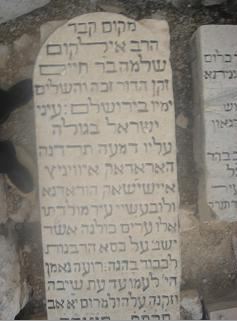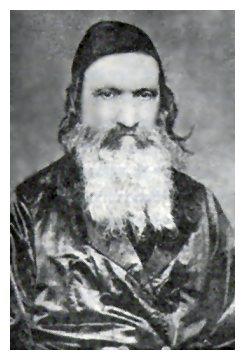
Rav Elyakim Shlomo Shapira of Hordona zt"l

הרב אליקים שלמה בן חיים שפירא זצ"ל

Av 11 , 0
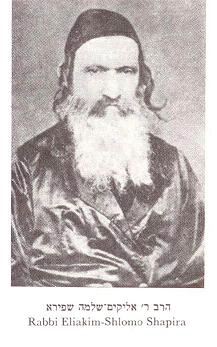
Father's Name: Chaim Shapira


Rav Elyakim Shlomo Shapira of Hordona zt"l

As a Rav and posek in several Lithuanian cities: Horodok, Ivnitz, Eyshishok (Eišišķes), Hordona (Grodno). Known as a child prodigy he was born in Lubcha (Belarus) 5586 to his father Chaim Shapira, who served as the Rav of Lubcha. He studied under his relative Rav Aryeh Leib Shapira of Kovno and under Rav Reuven HaLevi under who he earned semichah. He married the daughter of Rav Leib Zalmans of Grodno (Hordona). When the heads of the kehillah saw that their beloved Rav had grown too old to serve as Rav alone, the Rosh kehillah approached him, asking who to appoint as assistant Rav? Rav Leib Zalmans asked them to appoint his young and relatively unknown son in law, who was then serving as Rav in Eyshishok. Trusting his judgment they agreed. And so it was that he took over the position as assistant Rav in his father in law's life-time and later succeeded him.

He was known as worldly and highly respected, for example he knew the local language and was involved in world and communal affairs.

He later moved to Yerushalayim.  He was laid to rest on Har HaZaisim near the Maharil Diskin.

He was a staunch anti-zionist who opposed a secular state: How can I bear that something be called 'the State of Israel' without the Torah and the commandments (heaven forbid)?" "Let him be abstinent in the land and beware of any transgression, for if he sins there, he will be punished most severely. For Hashem watches over the land and supervises its inhabitants [see Devarim. 11:12]. He who rebels against the kingdom from within the king's palace is not the same as he who rebels outside it. This is the meaning of 'a land that consumes its inhabitants' [Bamidbar 13:32]. As for those who go there and think they can get away with levity and reckless behavior, I would invoke the verses, 'But you came and defiled My land' [Yermiah. 2:7] and 'Who asked of you to trample My courts?' [Yishayah 1:12]."

Stories of Rav Elyakim Shlomo Shapira of Hordona zt"l

It was the second night of the Seder and a splendid coach pulled up to the house of Rav Elyakim Shapira of Hordona. Out came none other than pułkownik Loryonow! The feared and hated Colonel whom the Jews despised! Yet he was smiling as he entered the home of the Rav, soon news spread that in fact he had been invited as the Rav's seder guest and he had in fact come to partake of the Rebitzen's delicious cooking and sample the wine and matzos. How such a strange turn of events unfolded is almost unbelievable!

No doubt about it, if there was one man that the Jews of Grodno (Hordona) feared and loathed it was pułkownik Loryonow. The Colonel had the nickname the wicked Haman foisted upon him by all the local Jewish mothers, as his custom was to be extra harsh on all the Jewish soldiers conscripted into the army. He demanded soldiers to stand at full attention, be dressed in impeccably clean and ironed uniforms free of wrinkles and stains and with shiny polished brass buttons. Woe be it to the soldier who was caught with a stain or wrinkle or a dull button! And even worse was a soldier whose boots were not properly laced up or shined and polished!

If it was bad enough for the average soldier it was worse for the Jews. No one knew why, but pułkownik Loryonow had it in for them. It was therefore no surprise, but with extra regret and pain that they learned that this year all Pesach leave was cancelled for all the Jewish soldiers without any explanation given whatsoever at all!

The shtadlanim had given up all hope. All but one, Rav Elyakim reasoned that it could not hurt if he was perfrom shtadlanus and meet with the fearsome Haman pułkownik Loryonow. What can the Colonel do to me? Call me names and shame me publicly? He already hates the Jews, treats them badly and cancelled their leave, worst case scenario some tamei arel will shame me, nu, so what?

And so saying he went off to see and reason with the dreaded Colonel. To everyone's pleasant surprise the news was that the Rav had somehow succeeded! Pesach leave was granted both on the first two Seder nights and also on the last two final days of Yom Tov. Additionally no Jewish soldier was forced to eat chametz all Pesach long and all were free to eat matzo!

The pułkownik Loryonow was now here as promised on the second seder night his magnificent coach drawn by two powerful stallions arrived and after drinking four cups and partaking of the matzos he secreted himself alone with Rav. Periodically he would arrive smiling, bestow great honor and privilege and visit the Rav. His secret visits remained a mystery, no one, not the Rebitzen, nor any household members divulged what the two spoke of or why the pułkownik Loryonow came to visit again and again.

One day pułkownik Loryonow arrived in a splendid new uniform clearly displaying his new higher rank and declared, honorable Rav I have been promoted to brigadier general of Sobolki and I am moving there. I will miss you and I wished to thank you for your kindness and honorable friendship. And so ended the mysterious relationship. Rumor has it that pułkownik Loryonow was really a Jew, snatched as a child and conscripted whom the Rav Elyakim Shapira transformed into a Baal Teshuvah. The Rav revealed and warmed the Jewish heart of the Colonel turned General and pułkownik Loryonow's visits were secret instructions on how to keep the articles of the Jewish faith under disguise and hidden away.

After the Rebitzen Shapira, Rav Leib Zalman's daughter passed away Rav Shapira left Hordona for Jerusalem and he is buried near the Maharil Diskin on Har HaZaisim. Zechuso Yagen Aleinu.


Tehillim Leilui Nishmas Rav Elyakim Shlomo Shapira of Hordona
אַשְׁרֵי תְמִימֵי דָרֶךְ הַהֹלְכִים בְּתוֹרַת יְהוָה: אַשְׁרֵי נֹצְרֵי עֵדֹתָיו בְּכָל לֵב יִדְרְשׁוּהוּ: אַף לֹא פָעֲלוּ עַוְלָה בִּדְרָכָיו הָלָכוּ: אַתָּה צִוִּיתָה פִקֻּדֶיךָ לִשְׁמֹר מְאֹד: אַחֲלַי יִכֹּנוּ דְרָכָי לִשְׁמֹר חֻקֶּיךָ: אָז לֹא אֵבוֹשׁ בְּהַבִּיטִי אֶל כָּל מִצְוֹתֶיךָ: אוֹדְךָ בְּיֹשֶׁר לֵבָב בְּלָמְדִי מִשְׁפְּטֵי צִדְקֶךָ: אֶת חֻקֶּיךָ אֶשְׁמֹר אַל תַּעַזְבֵנִי עַד מְאֹד:

לְעוֹלָם יְהוָה דְּבָרְךָ נִצָּב בַּשָּׁמָיִם: לְדֹר וָדֹר אֱמוּנָתֶךָ כּוֹנַנְתָּ אֶרֶץ וַתַּעֲמֹד: לְמִשְׁפָּטֶיךָ עָמְדוּ הַיּוֹם כִּי הַכֹּל עֲבָדֶיךָ: לוּלֵי תוֹרָתְךָ שַׁעֲשֻׁעָי אָז אָבַדְתִּי בְעָנְיִי: לְעוֹלָם לֹא אֶשְׁכַּח פִּקּוּדֶיךָ כִּי בָם חִיִּיתָנִי: לְךָ אֲנִי הוֹשִׁיעֵנִי כִּי פִקּוּדֶיךָ דָרָשְׁתִּי: לִי קִוּוּ רְשָׁעִים לְאַבְּדֵנִי עֵדֹתֶיךָ אֶתְבּוֹנָן: לְכָל תִּכְלָה רָאִיתִי קֵץ רְחָבָה מִצְוָתְךָ מְאֹד:

ידֶיךָ עָשׂוּנִי וַיְכוֹנְנוּנִי הֲבִינֵנִי וְאֶלְמְדָה מִצְוֹתֶיךָ: יְרֵאֶיךָ יִרְאוּנִי וְיִשְׂמָחוּ כִּי לִדְבָרְךָ יִחָלְתִּי: יָדַעְתִּי יְהוָה כִּי צֶדֶק מִשְׁפָּטֶיךָ וֶאֱמוּנָה עִנִּיתָנִי: יְהִי נָא חַסְדְּךָ לְנַחֲמֵנִי כְּאִמְרָתְךָ לְעַבְדֶּךָ: יְבֹאוּנִי רַחֲמֶיךָ וְאֶחְיֶה כִּי תוֹרָתְךָ שַׁעֲשֻׁעָי: יֵבֹשׁוּ זֵדִים כִּי שֶׁקֶר עִוְּתוּנִי אֲנִי אָשִׂיחַ בְּפִקּוּדֶיךָ: יָשׁוּבוּ לִי יְרֵאֶיךָ (וידעו) וְיֹדְעֵי עֵדֹתֶיךָ: יְהִי לִבִּי תָמִים בְּחֻקֶּיךָ לְמַעַן לֹא אֵבוֹשׁ: כָּלְתָה לִתְשׁוּעָתְךָ נַפְשִׁי לִדְבָרְךָ יִחָלְתִּי:

קָרָאתִי בְכָל לֵב עֲנֵנִי יְהוָה חֻקֶּיךָ אֶצֹּרָה: קְרָאתִיךָ הוֹשִׁיעֵנִי וְאֶשְׁמְרָה עֵדֹתֶיךָ: קִדַּמְתִּי בַנֶּשֶׁף וָאֲשַׁוֵּעָה (לדבריך) לִדְבָרְךָ יִחָלְתִּי: קִדְּמוּ עֵינַי אַשְׁמֻרוֹת לָשִׂיחַ בְּאִמְרָתֶךָ: קוֹלִי שִׁמְעָה כְחַסְדֶּךָ יְהוָה כְּמִשְׁפָּטֶךָ חַיֵּנִי: קָרְבוּ רֹדְפֵי זִמָּה מִתּוֹרָתְךָ רָחָקוּ: קָרוֹב אַתָּה יְהוָה וְכָל מִצְוֹתֶיךָ אֱמֶת: קֶדֶם יָדַעְתִּי מֵעֵדֹתֶיךָ כִּי לְעוֹלָם יְסַדְתָּם:

ידֶיךָ עָשׂוּנִי וַיְכוֹנְנוּנִי הֲבִינֵנִי וְאֶלְמְדָה מִצְוֹתֶיךָ: יְרֵאֶיךָ יִרְאוּנִי וְיִשְׂמָחוּ כִּי לִדְבָרְךָ יִחָלְתִּי: יָדַעְתִּי יְהוָה כִּי צֶדֶק מִשְׁפָּטֶיךָ וֶאֱמוּנָה עִנִּיתָנִי: יְהִי נָא חַסְדְּךָ לְנַחֲמֵנִי כְּאִמְרָתְךָ לְעַבְדֶּךָ: יְבֹאוּנִי רַחֲמֶיךָ וְאֶחְיֶה כִּי תוֹרָתְךָ שַׁעֲשֻׁעָי: יֵבֹשׁוּ זֵדִים כִּי שֶׁקֶר עִוְּתוּנִי אֲנִי אָשִׂיחַ בְּפִקּוּדֶיךָ: יָשׁוּבוּ לִי יְרֵאֶיךָ (וידעו) וְיֹדְעֵי עֵדֹתֶיךָ: יְהִי לִבִּי תָמִים בְּחֻקֶּיךָ לְמַעַן לֹא אֵבוֹשׁ: כָּלְתָה לִתְשׁוּעָתְךָ נַפְשִׁי לִדְבָרְךָ יִחָלְתִּי:

מָה אָהַבְתִּי תוֹרָתֶךָ כָּל הַיּוֹם הִיא שִׂיחָתִי: מֵאֹיְבַי תְּחַכְּמֵנִי מִצְוֹתֶךָ כִּי לְעוֹלָם הִיא לִי: מִכָּל מְלַמְּדַי הִשְׂכַּלְתִּי כִּי עֵדְוֹתֶיךָ שִׂיחָה לִֿי: מִזְּקֵנִים אֶתְבּוֹנָן כִּי פִקּוּדֶיךָ נָצָרְתִּי: מִכָּל אֹרַח רָע כָּלִאתִי רַגְלָי לְמַעַן אֶשְׁמֹר דְּבָרֶךָ: מִמִּשְׁפָּטֶיךָ לֹא סָרְתִּי כִּי אַתָּה הוֹרֵתָנִי: מַה נִּמְלְצוּ לְחִכִּי אִמְרָתֶךָ מִדְּבַשׁ לְפִי: מִפִּקּוּדֶיךָ אֶתְבּוֹנָן עַל כֵּן שָׂנֵאתִי כָּל אֹרַח שָׁקֶר:


שָׂרִים רְדָפוּנִי חִנָּם (ומדבריך) וּמִדְּבָרְךָ פָּחַד לִבִּי: שָׂשׂ אָנֹכִי עַל אִמְרָתֶךָ כְּמוֹצֵא שָׁלָל רָב: שֶׁקֶר שָׂנֵאתִי וַאֲתַעֵבָה תּוֹרָתְךָ אָהָבְתִּי: שֶׁבַע בַּיּוֹם הִלַּלְתִּיךָ עַל מִשְׁפְּטֵי צִדְקֶךָ: שָׁלוֹם רָב לְאֹהֲבֵי תוֹרָתֶךָ וְאֵין לָמוֹ מִכְשׁוֹל: שִׂבַּרְתִּי לִישׁוּעָתְךָ יְהוָה וּמִצְוֹתֶיךָ עָשִׂיתִי: שָׁמְרָה נַפְשִׁי עֵדֹתֶיךָ וָאֹהֲבֵם מְאֹד: שָׁמַרְתִּי פִקּוּדֶיךָ וְעֵדֹתֶיךָ כִּי כָל דְּרָכַי נֶגְדֶּךָ:

לְעוֹלָם יְהוָה דְּבָרְךָ נִצָּב בַּשָּׁמָיִם: לְדֹר וָדֹר אֱמוּנָתֶךָ כּוֹנַנְתָּ אֶרֶץ וַתַּעֲמֹד: לְמִשְׁפָּטֶיךָ עָמְדוּ הַיּוֹם כִּי הַכֹּל עֲבָדֶיךָ: לוּלֵי תוֹרָתְךָ שַׁעֲשֻׁעָי אָז אָבַדְתִּי בְעָנְיִי: לְעוֹלָם לֹא אֶשְׁכַּח פִּקּוּדֶיךָ כִּי בָם חִיִּיתָנִי: לְךָ אֲנִי הוֹשִׁיעֵנִי כִּי פִקּוּדֶיךָ דָרָשְׁתִּי: לִי קִוּוּ רְשָׁעִים לְאַבְּדֵנִי עֵדֹתֶיךָ אֶתְבּוֹנָן: לְכָל תִּכְלָה רָאִיתִי קֵץ רְחָבָה מִצְוָתְךָ מְאֹד:

מָה אָהַבְתִּי תוֹרָתֶךָ כָּל הַיּוֹם הִיא שִׂיחָתִי: מֵאֹיְבַי תְּחַכְּמֵנִי מִצְוֹתֶךָ כִּי לְעוֹלָם הִיא לִי: מִכָּל מְלַמְּדַי הִשְׂכַּלְתִּי כִּי עֵדְוֹתֶיךָ שִׂיחָה לִֿי: מִזְּקֵנִים אֶתְבּוֹנָן כִּי פִקּוּדֶיךָ נָצָרְתִּי: מִכָּל אֹרַח רָע כָּלִאתִי רַגְלָי לְמַעַן אֶשְׁמֹר דְּבָרֶךָ: מִמִּשְׁפָּטֶיךָ לֹא סָרְתִּי כִּי אַתָּה הוֹרֵתָנִי: מַה נִּמְלְצוּ לְחִכִּי אִמְרָתֶךָ מִדְּבַשׁ לְפִי: מִפִּקּוּדֶיךָ אֶתְבּוֹנָן עַל כֵּן שָׂנֵאתִי כָּל אֹרַח שָׁקֶר:

הֲבִינֵנִי וְאֶצְּרָה תוֹרָתֶךָ וְאֶשְׁמְרֶנָּה בְכָל לֵב: הַדְרִיכֵנִי בִּנְתִיב מִצְוֹתֶיךָ כִּי בוֹ חָפָצְתִּי: הַט לִבִּי אֶל עֵדְוֹתֶיךָ וְאַל אֶל בָּצַע: הַעֲבֵר עֵינַי מֵרְאוֹת שָׁוְא בִּדְרָכֶךָ חַיֵּנִי: הָקֵם לְעַבְדְּךָ אִמְרָתֶךָ אֲשֶׁר לְיִרְאָתֶךָ: הַעֲבֵר חֶרְפָּתִי אֲשֶׁר יָגֹרְתִּי כִּי מִשְׁפָּטֶיךָ טוֹבִים: הִנֵּה תָּאַבְתִּי לְפִקֻּדֶיךָ בְּצִדְקָתְךָ חַיֵּנִי:


בַּמֶּה יְזַכֶּה נַּעַר אֶת אָרְחוֹ לִשְׁמֹר כִּדְבָרֶךָ: בְּכָל לִבִּי דְרַשְׁתִּיךָ אַל תַּשְׁגֵּנִי מִמִּצְוֹתֶיךָ: בְּלִבִּי צָפַנְתִּי אִמְרָתֶךָ לְמַעַן לֹא אֶחֱטָא לָךְ: בָּרוּךְ אַתָּה יְהוָה לַמְּדֵנִי חֻקֶּיךָ: בִּשְׂפָתַי סִפַּרְתִּי כֹּל מִשְׁפְּטֵי פִיךָ: בְּדֶרֶךְ עֵדְוֹתֶיךָ שַׂשְׂתִּי כְּעַל כָּל הוֹן: בְּפִקֻּדֶיךָ אָשִׂיחָה וְאַבִּיטָה אֹרְחֹתֶיךָ: בְּחֻקֹּתֶיךָ אֶשְׁתַּעֲשָׁע לֹא אֶשְׁכַּח דְּבָרֶךָ:

נֵר לְרַגְלִי דְבָרֶךָ וְאוֹר לִנְתִיבָתִי: נִשְׁבַּעְתִּי וָאֲקַיֵּמָה לִשְׁמֹר מִשְׁפְּטֵי צִדְקֶךָ: נַעֲנֵיתִי עַד מְאֹד יְהוָה חַיֵּנִי כִדְבָרֶךָ: נִדְבוֹת פִּי רְצֵה נָא יְהוָה וּמִשְׁפָּטֶיךָ לַמְּדֵנִי: נַפְשִׁי בְכַפִּי תָמִיד וְתוֹרָתְךָ לֹא שָׁכָחְתִּי: נָתְנוּ רְשָׁעִים פַּח לִי וּמִפִּקּוּדֶיךָ לֹא תָעִיתִי: נָחַלְתִּי עֵדְוֹתֶיךָ לְעוֹלָם כִּי שְׂשׂוֹן לִבִּי הֵמָּה: נָטִיתִי לִבִּי לַעֲשׂוֹת חֻקֶּיךָ לְעוֹלָם עֵקֶב:


חֶלְקִי יְהוָה אָמַרְתִּי לִשְׁמֹר דְּבָרֶיךָ: חִלִּיתִי פָנֶיךָ בְכָל לֵב חָנֵּנִי כְּאִמְרָתֶךָ: חִשַּׁבְתִּי דְרָכָי וָאָשִׁיבָה רַגְלַי אֶל עֵדֹתֶיךָ: חַשְׁתִּי וְלֹא הִתְמַהְמָהְתִּי לִשְׁמֹר מִצְוֹתֶיךָ: חֶבְלֵי רְשָׁעִים עִוְּדֻנִי תּוֹרָתְךָ לֹא שָׁכָחְתִּי: חֲצוֹת לַיְלָה אָקוּם לְהוֹדוֹת לָךְ עַל מִשְׁפְּטֵי צִדְקֶךָ: חָבֵר אָנִי לְכָל אֲשֶׁר יְרֵאוּךָ וּלְשֹׁמְרֵי פִּקּוּדֶיךָ: חַסְדְּךָ יְהוָה מָלְאָה הָאָרֶץ חֻקֶּיךָ לַמְּדֵנִי:

ידֶיךָ עָשׂוּנִי וַיְכוֹנְנוּנִי הֲבִינֵנִי וְאֶלְמְדָה מִצְוֹתֶיךָ: יְרֵאֶיךָ יִרְאוּנִי וְיִשְׂמָחוּ כִּי לִדְבָרְךָ יִחָלְתִּי: יָדַעְתִּי יְהוָה כִּי צֶדֶק מִשְׁפָּטֶיךָ וֶאֱמוּנָה עִנִּיתָנִי: יְהִי נָא חַסְדְּךָ לְנַחֲמֵנִי כְּאִמְרָתְךָ לְעַבְדֶּךָ: יְבֹאוּנִי רַחֲמֶיךָ וְאֶחְיֶה כִּי תוֹרָתְךָ שַׁעֲשֻׁעָי: יֵבֹשׁוּ זֵדִים כִּי שֶׁקֶר עִוְּתוּנִי אֲנִי אָשִׂיחַ בְּפִקּוּדֶיךָ: יָשׁוּבוּ לִי יְרֵאֶיךָ (וידעו) וְיֹדְעֵי עֵדֹתֶיךָ: יְהִי לִבִּי תָמִים בְּחֻקֶּיךָ לְמַעַן לֹא אֵבוֹשׁ: כָּלְתָה לִתְשׁוּעָתְךָ נַפְשִׁי לִדְבָרְךָ יִחָלְתִּי:

ידֶיךָ עָשׂוּנִי וַיְכוֹנְנוּנִי הֲבִינֵנִי וְאֶלְמְדָה מִצְוֹתֶיךָ: יְרֵאֶיךָ יִרְאוּנִי וְיִשְׂמָחוּ כִּי לִדְבָרְךָ יִחָלְתִּי: יָדַעְתִּי יְהוָה כִּי צֶדֶק מִשְׁפָּטֶיךָ וֶאֱמוּנָה עִנִּיתָנִי: יְהִי נָא חַסְדְּךָ לְנַחֲמֵנִי כְּאִמְרָתְךָ לְעַבְדֶּךָ: יְבֹאוּנִי רַחֲמֶיךָ וְאֶחְיֶה כִּי תוֹרָתְךָ שַׁעֲשֻׁעָי: יֵבֹשׁוּ זֵדִים כִּי שֶׁקֶר עִוְּתוּנִי אֲנִי אָשִׂיחַ בְּפִקּוּדֶיךָ: יָשׁוּבוּ לִי יְרֵאֶיךָ (וידעו) וְיֹדְעֵי עֵדֹתֶיךָ: יְהִי לִבִּי תָמִים בְּחֻקֶּיךָ לְמַעַן לֹא אֵבוֹשׁ: כָּלְתָה לִתְשׁוּעָתְךָ נַפְשִׁי לִדְבָרְךָ יִחָלְתִּי:

מָה אָהַבְתִּי תוֹרָתֶךָ כָּל הַיּוֹם הִיא שִׂיחָתִי: מֵאֹיְבַי תְּחַכְּמֵנִי מִצְוֹתֶךָ כִּי לְעוֹלָם הִיא לִי: מִכָּל מְלַמְּדַי הִשְׂכַּלְתִּי כִּי עֵדְוֹתֶיךָ שִׂיחָה לִֿי: מִזְּקֵנִים אֶתְבּוֹנָן כִּי פִקּוּדֶיךָ נָצָרְתִּי: מִכָּל אֹרַח רָע כָּלִאתִי רַגְלָי לְמַעַן אֶשְׁמֹר דְּבָרֶךָ: מִמִּשְׁפָּטֶיךָ לֹא סָרְתִּי כִּי אַתָּה הוֹרֵתָנִי: מַה נִּמְלְצוּ לְחִכִּי אִמְרָתֶךָ מִדְּבַשׁ לְפִי: מִפִּקּוּדֶיךָ אֶתְבּוֹנָן עַל כֵּן שָׂנֵאתִי כָּל אֹרַח שָׁקֶר:


נֵר לְרַגְלִי דְבָרֶךָ וְאוֹר לִנְתִיבָתִי: נִשְׁבַּעְתִּי וָאֲקַיֵּמָה לִשְׁמֹר מִשְׁפְּטֵי צִדְקֶךָ: נַעֲנֵיתִי עַד מְאֹד יְהוָה חַיֵּנִי כִדְבָרֶךָ: נִדְבוֹת פִּי רְצֵה נָא יְהוָה וּמִשְׁפָּטֶיךָ לַמְּדֵנִי: נַפְשִׁי בְכַפִּי תָמִיד וְתוֹרָתְךָ לֹא שָׁכָחְתִּי: נָתְנוּ רְשָׁעִים פַּח לִי וּמִפִּקּוּדֶיךָ לֹא תָעִיתִי: נָחַלְתִּי עֵדְוֹתֶיךָ לְעוֹלָם כִּי שְׂשׂוֹן לִבִּי הֵמָּה: נָטִיתִי לִבִּי לַעֲשׂוֹת חֻקֶּיךָ לְעוֹלָם עֵקֶב:

שָׂרִים רְדָפוּנִי חִנָּם (ומדבריך) וּמִדְּבָרְךָ פָּחַד לִבִּי: שָׂשׂ אָנֹכִי עַל אִמְרָתֶךָ כְּמוֹצֵא שָׁלָל רָב: שֶׁקֶר שָׂנֵאתִי וַאֲתַעֵבָה תּוֹרָתְךָ אָהָבְתִּי: שֶׁבַע בַּיּוֹם הִלַּלְתִּיךָ עַל מִשְׁפְּטֵי צִדְקֶךָ: שָׁלוֹם רָב לְאֹהֲבֵי תוֹרָתֶךָ וְאֵין לָמוֹ מִכְשׁוֹל: שִׂבַּרְתִּי לִישׁוּעָתְךָ יְהוָה וּמִצְוֹתֶיךָ עָשִׂיתִי: שָׁמְרָה נַפְשִׁי עֵדֹתֶיךָ וָאֹהֲבֵם מְאֹד: שָׁמַרְתִּי פִקּוּדֶיךָ וְעֵדֹתֶיךָ כִּי כָל דְּרָכַי נֶגְדֶּךָ:

מָה אָהַבְתִּי תוֹרָתֶךָ כָּל הַיּוֹם הִיא שִׂיחָתִי: מֵאֹיְבַי תְּחַכְּמֵנִי מִצְוֹתֶךָ כִּי לְעוֹלָם הִיא לִי: מִכָּל מְלַמְּדַי הִשְׂכַּלְתִּי כִּי עֵדְוֹתֶיךָ שִׂיחָה לִֿי: מִזְּקֵנִים אֶתְבּוֹנָן כִּי פִקּוּדֶיךָ נָצָרְתִּי: מִכָּל אֹרַח רָע כָּלִאתִי רַגְלָי לְמַעַן אֶשְׁמֹר דְּבָרֶךָ: מִמִּשְׁפָּטֶיךָ לֹא סָרְתִּי כִּי אַתָּה הוֹרֵתָנִי: מַה נִּמְלְצוּ לְחִכִּי אִמְרָתֶךָ מִדְּבַשׁ לְפִי: מִפִּקּוּדֶיךָ אֶתְבּוֹנָן עַל כֵּן שָׂנֵאתִי כָּל אֹרַח שָׁקֶר:

הֲבִינֵנִי וְאֶצְּרָה תוֹרָתֶךָ וְאֶשְׁמְרֶנָּה בְכָל לֵב: הַדְרִיכֵנִי בִּנְתִיב מִצְוֹתֶיךָ כִּי בוֹ חָפָצְתִּי: הַט לִבִּי אֶל עֵדְוֹתֶיךָ וְאַל אֶל בָּצַע: הַעֲבֵר עֵינַי מֵרְאוֹת שָׁוְא בִּדְרָכֶךָ חַיֵּנִי: הָקֵם לְעַבְדְּךָ אִמְרָתֶךָ אֲשֶׁר לְיִרְאָתֶךָ: הַעֲבֵר חֶרְפָּתִי אֲשֶׁר יָגֹרְתִּי כִּי מִשְׁפָּטֶיךָ טוֹבִים: הִנֵּה תָּאַבְתִּי לְפִקֻּדֶיךָ בְּצִדְקָתְךָ חַיֵּנִי:

Sign In

Register

Reset Password

Please enter your username or email address, you will receive a link to create a new password via email.