Rav Mordechai Yissocher Ber Leifer zt"l
הרב מרדכי יששכר בער בן אברהם אבא לייפער זצ"ל
Tishrei 17 , 5781
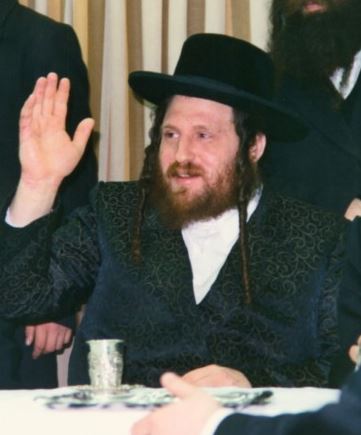
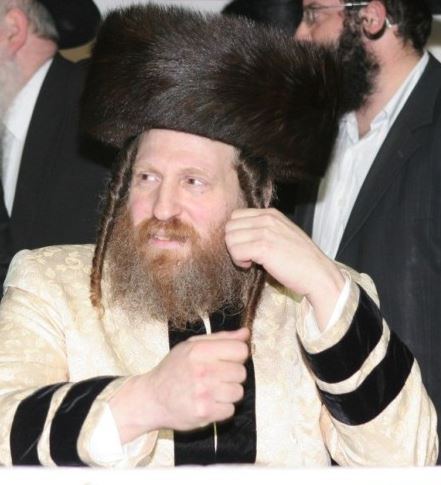
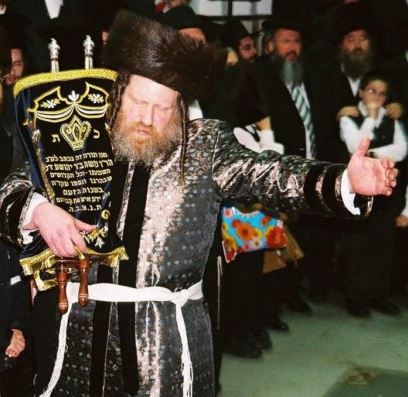
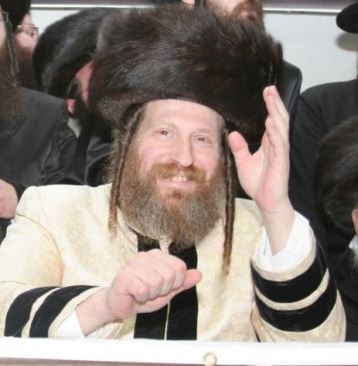
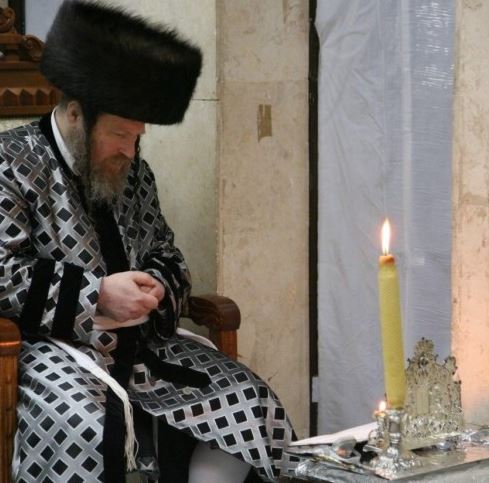
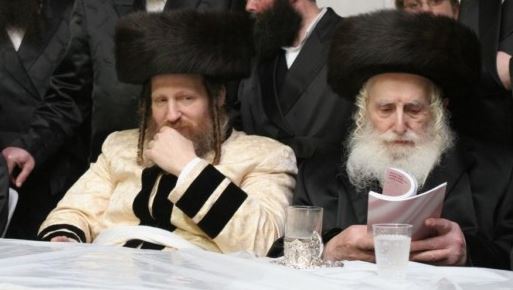
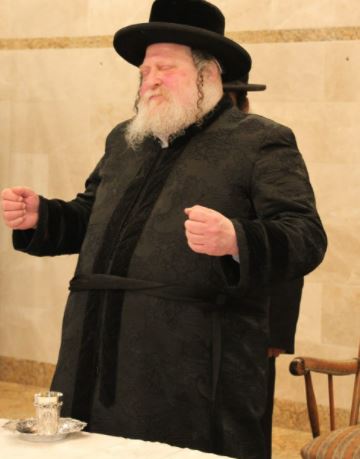
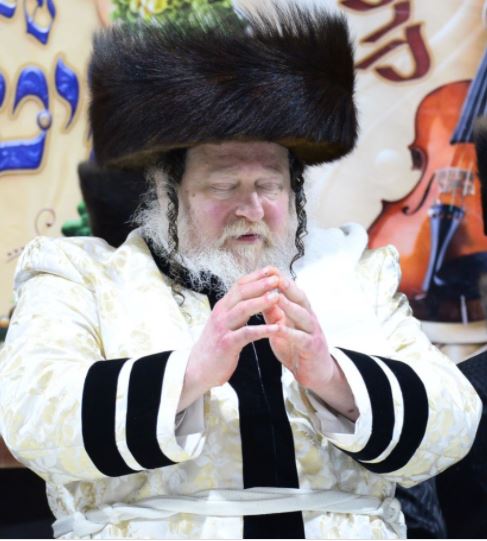
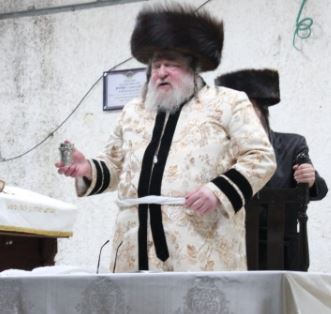
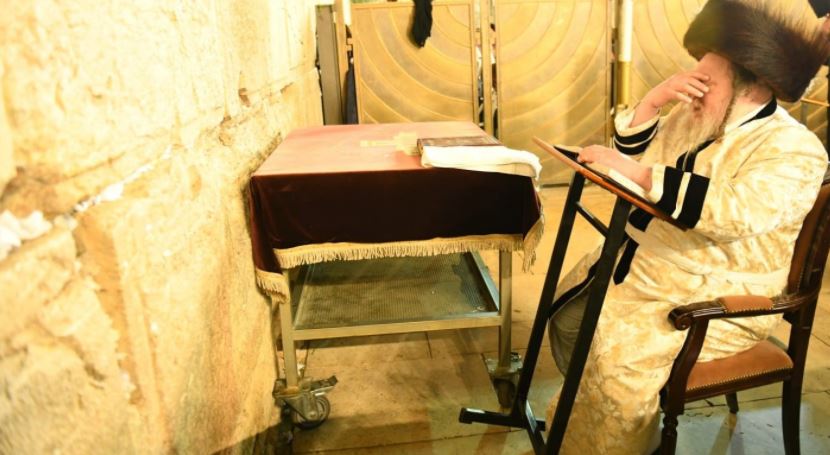
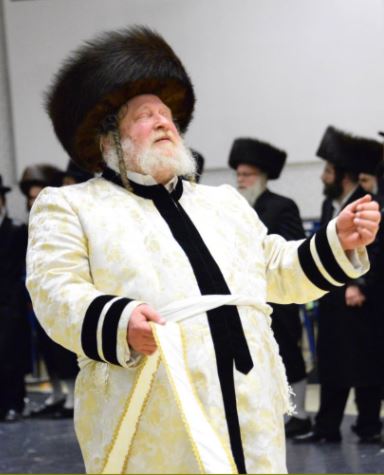
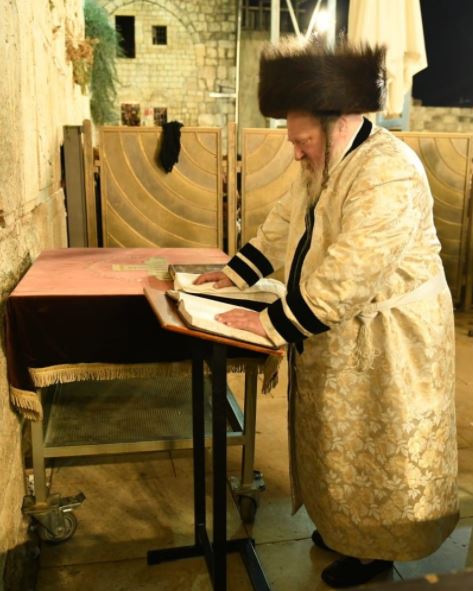
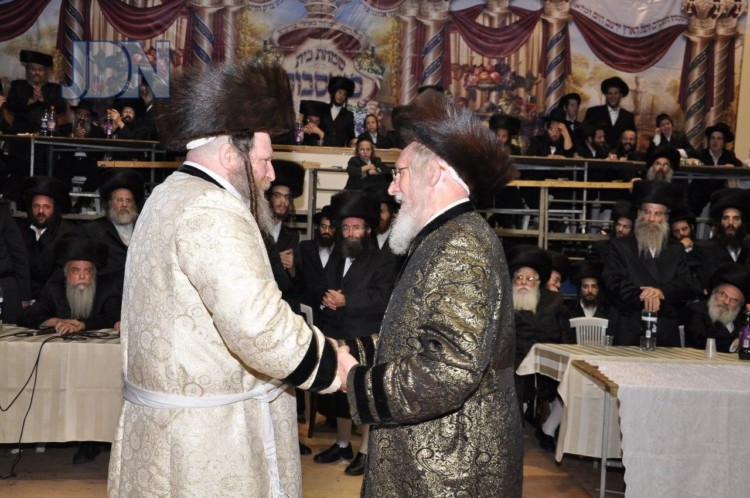
Rav Mordechai Yissocher Ber Leifer zt"l
Rabbi Mordechai Yissachar Ber Leifer, the Pittsburger Rebbe, passed away on Sunday night, October 4th – 17 Tishrei- at Laniado Hospital in Netanya after contracting the coronavirus. He was only 64 years old. The Rebbe had followed all the guidelines of the Israeli Ministry of Health and hardly left his home these last six months. Recently, he left his home for the first time, became infected with the virus from an unknown source, and his medical condition began to deteriorate.
Shortly after his hospitalization he was anesthetized. On the eve of Yom Kippur, his doctors tried to wake him up after a slight improvement in his condition and he was able to communicate easily with those around him. However, his condition changed and he was anesthetized yet again and his dedicated doctors fought for his life. On Sunday night, Chol Hamoed, however, he returned his Neshoma HaKedosha.
The Rebbe was a leader in Ashdod for many years. Many Yidden from all circles and denominations, and even a large traditional public, would consult with him. The Rebbe would secretly help hundreds and thousands of needy families, both Chassidic and non-Chassidic. He was a composer of music and some of his compositions have become well known in the Chassidic world.
Early Life and Family: Mordechai Yissachar Ber Leifer was born in Newark, New Jersey in 1956. He was the son of HaAdmor Rav Avraham Abba Leifer and the grandson of HaAdmor Rav Yosef Leifer, a scion of the Nadvorna Chasidishe dynasty who founded the Chassidus in Pittsburgh, Pennsylvania, in 1924. His mother, Rebbitzen Rochel, nee Rosenbaum, was the daughter of Rabbi Isamar Rosenbaum, the Admor of Nadvorna. The Rebbe traced his paternal ancestry to Rabbi Mordechai of Nadvorna, the founder of the Nadvorna dynasty, who was the great-grandson of Rav Meir Premishlaner, a talmid of the Baal Shem Tov Hakadosh, zy’a..
In 1966, with the passing of the Rebbe’s grandfather, the Rebbe's father, Rav Avrohom Abba, accepted the invitation of the Pittsburgh congregation to succeed his father as Rebbe. In 1970, his father moved to Ashdod, Israel. In his youth, Rav Mordechai Yissochor Ber Leifer studied in the Grodno yeshiva in Ashdod and the Tchebin yeshiva in Jerusalem. He also studied in Monsey, Sanz in Netanya, at the Telshe Yeshiva in Cleveland, Ohio and Bais Medresh Govoha in Lakewood, NJ. He married his wife, Miriam Liebes, in New York. His wife is a daughter of Rav Yitzchok Eizik Liebes, zt’l, the former Av Bis Din of the Iggud Harabbanim of America.
In 1981, his father opened a yeshiva in Ashdod and asked his son to come to Israel and serve as rosh yeshiva. When his father passed away on Asara B’Teves 5750/1990, he acceded to the leadership of the Pittsburger Chassidus. He was only 34 years old when he accepted the mantle of leadership.
The Author Reflects: on the Rebbe’s father and the early years in Newark, New Jersey. It is hard to believe that 30 years have gone by since the Pittsburger- Chernovitzer Rebbe, zy’a was niftar on Asara B’Teves in 1990. As one who was born and raised in Irvington, New Jersey near Newark, our family were recipients of his warmth and hospitality. It is awesome to describe the impact the Rebbe had on Jewish life in Newark and its environs, where he implanted his Chassidishe warmth for over 20 years. At that period in his life, prior to the passing of his revered father, the Pittsburger Rebbe, Rav Yosef Leifer, zy’a, he was known as the Chernovitzer Rebbe.
How does one describe his strong Torah roots, fiery faith, noble character and love of Eretz Yisroel? His mesiras nefesh to walk almost an hour to be toivel in a kosher mikveh before Shabbos Shachris. Our family had the zechus to daven at his first Bais Medresh on Hobson Street, near the Irvington border. Later when he built his beautiful new Beis Medresh on one of the main boulevards of Newark’s Yiddishe area, my teenage friends and I would walk over half an hour each way to enjoy the sound of his heartfelt Tefillos on Shabbosim and Yomim Tovim.
The Early Years: The Rebbe, HaRav Avraham Abba Leifer, zt’l (known as the Emunas Avraham) was born in Kroli, Hungary in 1918 to his father, Rav Yosef Leifer, The Tzidkas Yosef, who was the son of Rav Bertche of Satmar, the son of Rav Mordche of Nadvorna, zy’a. During his youth, the Rebbe learned under his father in his hometown. While Rav Avraham Abba was still a child, his father travelled to the USA to raise money to marry off his sisters, who had been orphaned at a young age. Among other places he visited Pittsburgh, where he found a large warm kehillah of observant Jews who were yirei shomayim. They urged him to settle in their city and be their leader; The Tzidkas Yosef agreed and brought over his family to settle in the city.
Concerned for the chinuch, the Tzidkas Yosef sent his children away to yeshivas. Rav Avraham Abba learned in the Rachover Yeshiva under HaRav Shloma Zalman of Rachov, zy’a, where he excelled in his studies and received semicha on Yora Deah from his rebbi, when he was a mere 17 years old. From there he went to learn in Sekelheid under HaRav Yehuda Segel-Rosner, zy’a, the Imrei Yehudah, which was considered to be the crowning glory of Hungarian yeshivas. He became one of the most outstanding students, and in time, Rav Isamar Rosenbaum of Nadvorna, zy’a, chose him as a chosson for his daughter, Rochel.
During the teenage years that he spent in Europe, far away from his family, he often travelled to various Chassidishe Rebbes. He also went to his uncle, HaRav Eliezer Zev of Kretchnif, zt’l , who displayed unusual affection towards him and had deep Torah discussions with him. His countless sefarim are testimony to his profound proficiency and brilliance in all facets of the Torah.
Rav Avrohom Abba: A Phenominal Baal Tefilah: The Rebbe was a phenomenal Baal Tefilah and composer of many nigunim. Through the koach of neginah, he attracted the youth and brought back many holocaust survivors to their roots. As young American yeshiva bochurim, he gave us a taste of the warmth of pre-war Yiddishkeit. Those who were privileged to daven with the Rebbe were emotionally elevated by his fiery pleas. This author vividly remembers the electrifying moments of Yomim Noraim, when before the Aron Hakodesh, he would virtually bring alive the Tefillah of Shemah Koleinu. He made us feel that we were in the Divine presence.
How we looked forward to Simchas Torah at the Chernovitzer Rebbe’s shul. It was the best place to be, with young and old dancing in circles around the Rebbe, who vibrantly danced in the center clutching his small Sefer Torah. It seemed like the whole Jewish community of Newark converged in joyous song and dance until the wee hours of the morning.
Baalei Chessed: A friend of mine became a baal-teshuva as a teenager and left his home because it was not possible to keep Torah there. The Rebbe and the Rebbitzen quietly took him in and acted as an intermediary with his parents, who refused to accept his new way of life. Today he lives in Meah Shearim and is surrounded by many beautiful grandchildren and great-grandchildren, ka’h. Like the Rebbe, he constantly had guests at his Shabbos Tisch, and when we see each other, we reminisce about the powerful and ongoing influence of the Rebbe and the Rebbitzen on all of us.
The Move to Ashdod: In 1970, he decided to move to Israel. He chose the coastal city of Ashdod for his new base, though at the time the city had very few religious Jews and almost no Chassidim. He chose this city based on a dream which he had, in which a man who identified himself as Hasdai ibn Shaprut (the foreign minister of the caliph of Córdoba some 1000 years earlier) appeared to him and asked him to establish his court in Ashdod, promising him success. In Ashdod the Rebbe established Torah schools for children, bringing in teachers from other cities, and began monthly shiurim for adults. He also established a Kollel for avreichim from Bnei Brak yeshivas and founded Yeshivas Tzidkas Yosef in memory of his father. During the last 20 years of his life, he brought thousands of Jews back to full Torah observance and drew countless families closer to the Chassidus.
Simcha Shel Mitzvah: The Rebbe became known throughout Israel for his great yiras Shamayim and ahavas Yisrael. His youngest son, Rabbi Mordechai Yissachar Ber, zt’l, that was just niftar, testified that his father detached himself from worldly pleasures and did everything for the sake of fulfilling the mitzvos of the Torah. Yet he also displayed a genuine simcha shel mitzvah and would engage others with humorous vertlach.
Rav Avraham Abba’s Passing and Legacy: After the passing of Rav Avrohom Abba, zy’a, in 1990 at the age of 72, his son, Rabbi Mordechai Yissachar Ber, succeeded him as Rebbe and built on his programs and expanded the Chassidus. The young Rebbe published his father’s unpublished manuscripts and republished his sefer, Emunas Avraham.
The Growth of Pittsburg Chassidus: Rav Mordchai Yissochor Ber presided over the Pittsburgh educational system for 30 years. It grew to include a cheder with over 300 students, two yeshivas with 90 students, kollelim focusing on halacha, early-morning learning, and a night kollel for married men. He also established charitable institutions in the city, which earned him a special commendation as "Worthy Citizen of Ashdod" from Mayor Yehiel Lasri.
Recently, the Rebbe had increased the number of Pittsburger families in Ashdod to nearly 200. He attracted formerly non-observant Jews through his shiurim, tishen and personal interaction. Like his father before him, his warm personality created a ‘shtetl’ reminiscent of Europe- yet in an Israeli society. He conducted exuberant tishen on Friday nights and after the Shabbas morning meal, as well as a Seudah Shlishis, which went late into the night accompanied by the Rebbe's words of mussar.
He also shepherded Pittsburgher Chassidim in Yerushalayim, Bnei Brak, Beit Chilkia, New York and California. The Rebbe married Miriam Aviva Liebes, the daughter of Rabbi Yitzchak Eizik Liebes, zt’l, av beis din of the Iggud Harabbanim (Rabbinical Alliance) of America. The couple had three sons and six daughters; one of their daughters died at a young age.
The Rebbe’s Nigunim: Pittsburger Chassidus is also famous for its heartfelt niggunim, many of which the Rebbe composed. The niggunim are sung at the tishen of other Rebbes, and have been recorded on musical albums. In total, the Rebbe composed more than 250 melodies, many of them pertinent to davening, especially Hallel on Rosh Chodesh and Yom Tov.
The Rebbe’s Torah: The Rebbe's Torah discourses have been published in two volumes, covering the years 1990 through 2010, under the title Pisgamei Oraisa–Shabbos. This series also includes ten volumes of the Rebbe’s popular divrei Torah on the weekly Parsha portion and Yamim Tovim.
The Sun Sets: As mentioned, the Admor, Rav Mordechai Yissachar Ber Leifer, the Pittsburger Rebbe, passed away on Sunday night, October 4th – 17 Tishrei- at Laniado Hospital in Netanya after contracting the coronavirus. He was only 64 years old.
The Legacy: As we mentioned about his father, the Admor Rav Avrohom Abba, zy’a- his son, Rav Mordcha Yissochor Ber, zt’l continued the legacy of strong Torah roots, fiery faith, noble character and a deep love of Eretz Yisroel!
At the levaya, the Rebbe’s eldest son Rabbi Meshulam Eliezer Leifer was announced as his successor. His son Rabbi Yaakov Leifer was appointed rosh yeshiva of the Pittsburger yeshiva network and his son, Rabbi Yosef Leifer, was named Rav of the growing Pittsburger community in Bnei Brak.
As I reflect on the Rebbe’s whole life, I think of it as one beautiful and sweet nigun. Surely, he and his saintly father and grandfather sit in Gan Eden near the Kissei HaKavod, where along with Dovid Hamelech, they sing Hallel- songs of praise- and together they are Melitzei Yosher for Klal Yisrael to bring about an end to this mageifa kasha. May the Rebbe’s legacy remain fresh and alive for future generations. Zechuso Yagen Aleinu V’al Kol Yisrael.
Authors Note: Most of the material, pictures and comments in this article are gleaned from personal experiences & interviews and from an article the author penned for the 30th Yahrzeit of the Admor Rav Avrohom Abba Leifer in the January 2, 2020 edition of the Monsey Mevaser. The author wishes to thank his Newark ‘lantsleit’ for their input.
Yisroel Safrin author. As featured in the Monsey Mevaser 'Klal Personalities' series.