Rav Elazar Nissan Teitelbaum of Drohobych zt"l
הרב אלעזר ניסן בן משה טייטלבוים זצ"ל
Tishrei 8 , 5615
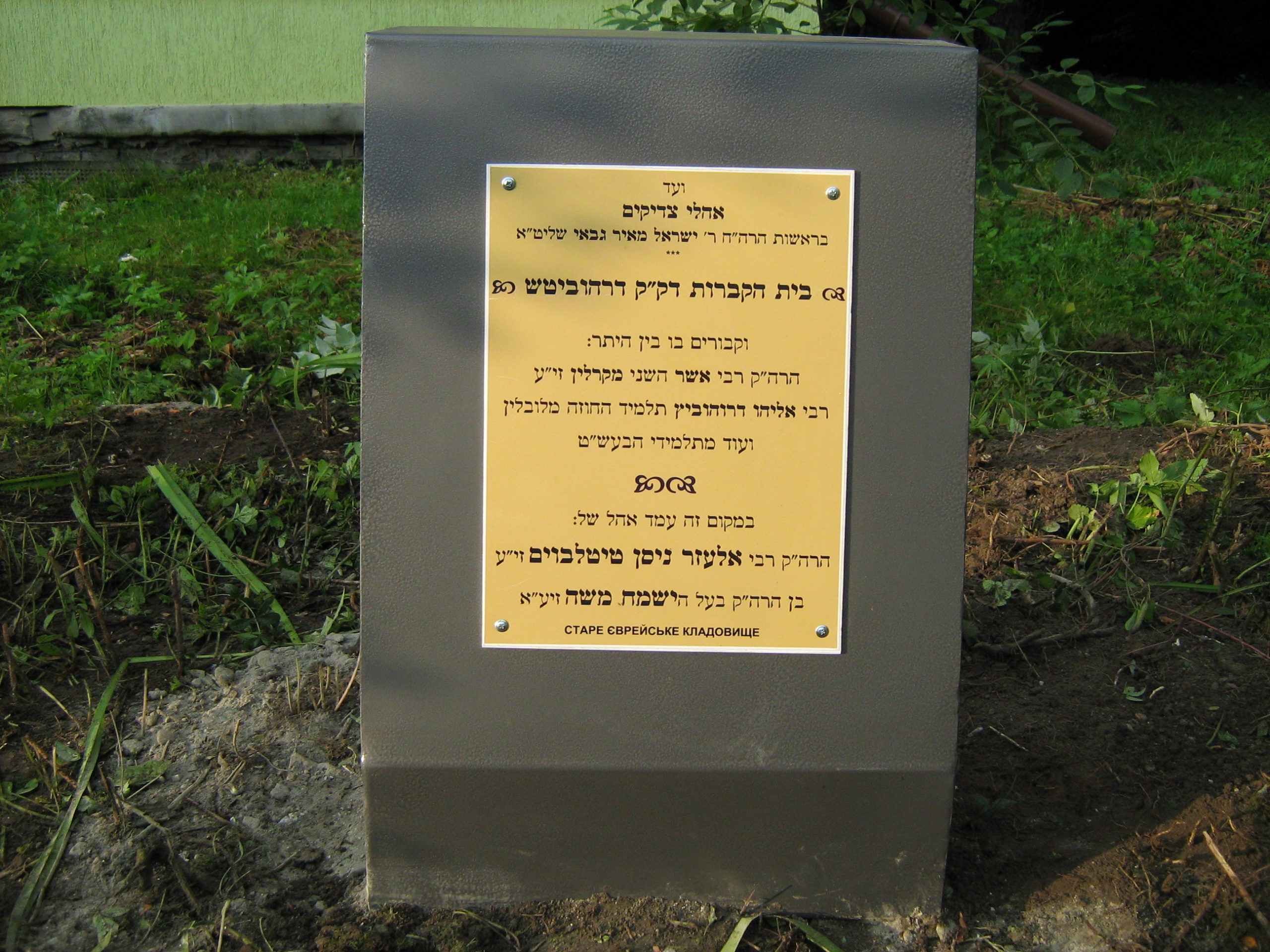
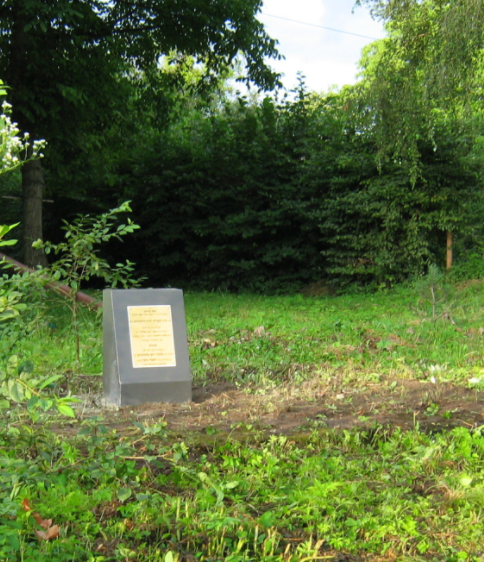
Rav Elazar Nissan Teitelbaum of Drohobych zt"l
Rav Elazar Nissan was born Tammuz תקמ"ו 1786 in Shinova. He was the son-in-law of Rav Aharon Av Beis Din Chodrov; he married Rav Aharon’s daughter, Roza Blima. He was considered a child prodigy; some of the divrei Torah from his youth are cited in his father’s seforim. After the wedding, he moved to Dorhobitsh where he lived with his wife’s grandfather, Rav Nachum, who was the parnas ha’ir (a lay leader, akin to a president of the congregation or Jewish mayor).
His first position in the rabbinate was in Sighet, the flagship city of Marmoresh region. His father endorsed him for the position, comparing his son to one of the rishonim: “His sharp mind, his scope and breadth of knowledge, his righteousness and holy character are as one of the rishonim. Even though a father cannot give unbiased testimony regarding his own son, know that I am only revealing a hands breadth and concealing much more; you won’t be sorry --not in this world, nor the next.”
He arrived in תקצ"ד to take over the rabbinate in Sighet, but he encountered opposition. In the six years of his rabbanus, he suffered bitterly at the hands of the Kossover chassidim who wanted his position to be filled by Rav Yosef Shtern, a Kossover chassid and son-in-law of Rav Menachem Mendel. The controversy reached its peak when Rav Elazar Nissan pronounced one of the shochtim-- a Kossover chassid-- unfit and ruled that his shechita was forbidden, while the Toras Chaim of Kossuv permitted it. Unfortunately, it did not help Rav Elazar Nissan that Rav Meir Eisenstadt of Ungvar and Rav Yechezkel Panet of Karlsburg sided with him and forbade the shechita as well.
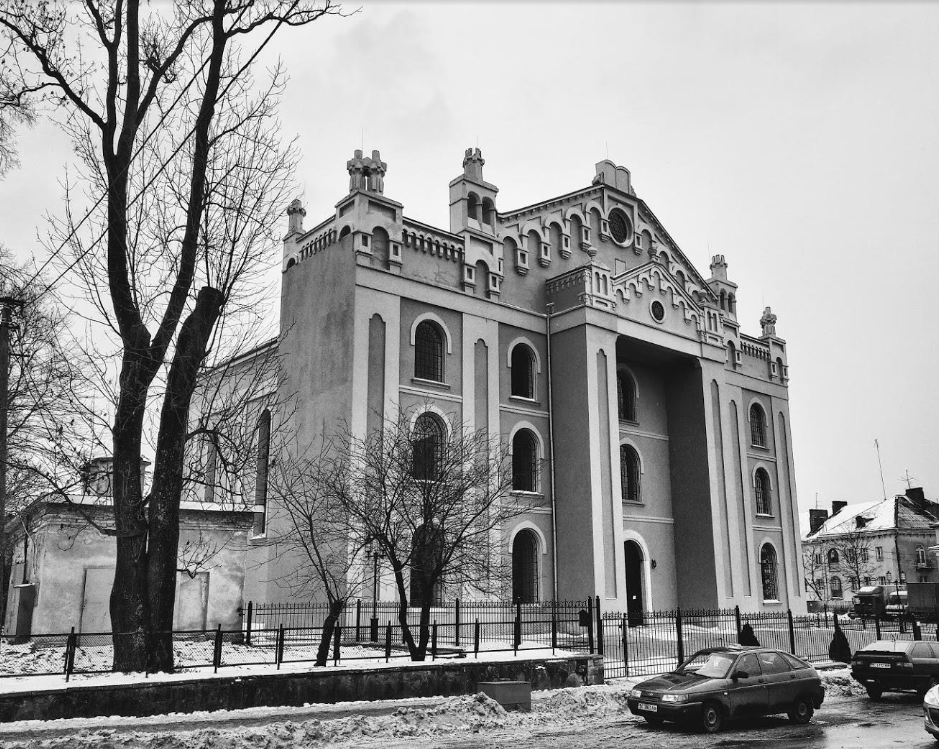
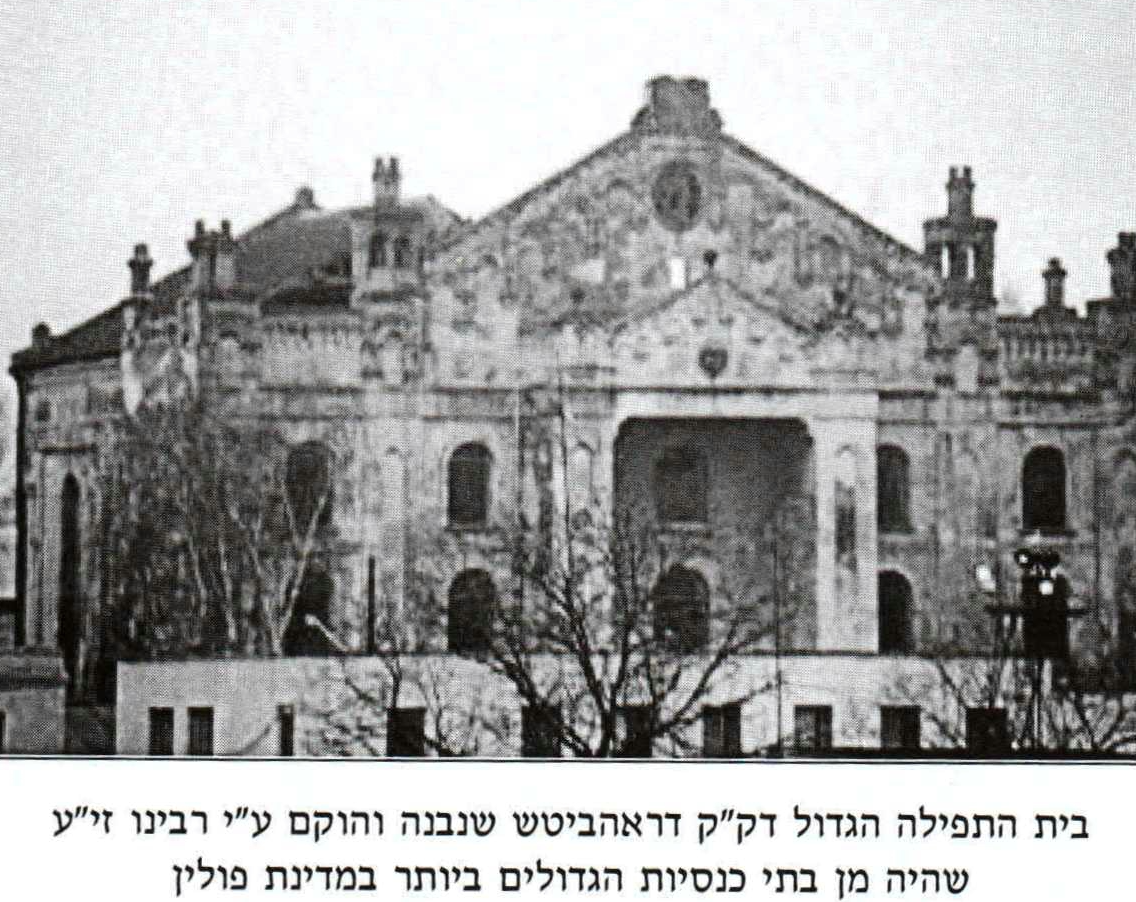
In ת"ר Rav Elazar Nissan left Sighet and settled near Uhjel where his father lived, and there, he accepted the rabbonus position of Dorhobitsh. In תר"א it was requested that he succeed his father in Uhjel, but he was satisfied to remain in Dorhobitsh and refused the offer.
Before the holy Yismach Moshe passed away, he blessed his son Elazar Nissan that his own power in writing kameos (amulets) should pass on to him. From then on, Rav Elazar Nissan declarations were known to come to fruition. As a result, thousands flocked to him to bask in his radiance and be saved by his ability to effect yeshuos. (Melitzei Aish)
After the Yismach Moshe’s passing, his chassidim began gathering around his son. Rav Elazar Nissan asked them to send him their requests in writing rather than traveling to him. Rav Elazar Nissan authored no seforim (unlike both his father and then later, his own son). A few pieces of his Torah are found in his father’s sefer and more in his son’s, Rav Yekusiel Yehudah Teitelbaum, the Yetev Lev. His divrei Torah were eventually gathered and published posthumously as the sefer, Zichron Elazar.
His sons were: Rav Yekusiel Yehudah Teitelbaum of Sighet, the Yetev Lev; Rav Shmuel, AvBeisDin Gorlitz; and Rav Nachum AvBeisDin Dorhobitsh. His son-in-law was Rav Yisroel HaKohen Rappaport of Tarnow, author shu”t responsa Mahari Kohen.
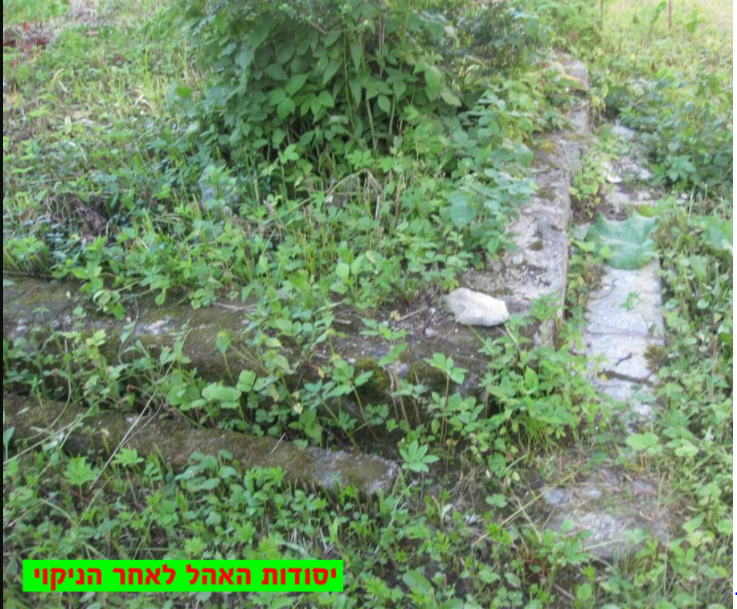
Rav Elazar Nissan passed away on 8 Tishrei תרט"ז 1855 and was laid to rest in Dorhobitsh (9 Tishrei תרט"ו according to Melitzei Aish).
Stories of Rav Elazar Nissan Teitelbaum of Drohobych zt"l

Elazar Nissan was the only son of Rav Moshe Teitelbaum of Uhjel, author of Yismach Moshe. When Elazar Nissan was nine years old, he fell precariously ill. The Yismach Moshe and his wife watched with growing despair as their child burned with fever while the doctors gave little hope for his recovery.
The Yismach Moshe decided that his son’s life was dependent on the tefillos of someone greater than himself. He appointed two faithful Jews as his emissaries and sent them to Lizhensk to beseech Hashem in the merit of the tzaddik, the Rebbe Reb Melech. “When you arrive at the beis hachaim,” Rav Moshe explained, “say out loud that you vow a neder to give a coin to tzedakah for the sake of the neshama that will approach the holy soul of the Rebbe Reb Elimelech on High.
Tell him that we have arrived to daven to Hashem at his tziyun. What will happen,” explained Rav Moshe further, “is that your vow will stir up all the neshamos that are hovering near the tziyun. They will each wish to deliver the coin to the holy tzaddik for charity since, in the world of truth known as olam ha’emes, the merit of a mitzvah is a very precious and valuable asset. Therefore, all the neshamos will vie to be the one that succeeds in reaching the Rebbe Reb Elimelech first and having the coin’s merit be ascribed to their own neshama. After this all transpires, you can approach the tziyun of the Noam Elimelech and daven there for my son’s refuah.” The Yismach Moshe then added: “Please pay attention to your watches and note the time when you daven at the tziyun so we can compare the timing when you return.” The shluchim listened carefully to the rebbe’s request and started on their way as agents to fulfill the request.
Sometime later, the child awoke from his feverish dreams and called out: “Tatty Tatty!” When the Yismach Moshe hurried over, young Elazar Nissan told him: “From now on I will get better, I won’t be sick anymore and I will get up out of bed and be healthy again!” Overjoyed, the Yismach Moshe asked, “my son, how do you know this?” “Because Tatty,” explained the child, “just this very minute a great rebbe came to see me.” He then described perfectly just how the Rebbe Reb Melech looked. “He gave me a berachah that I would get better and be healthy from now on!”
The Yismach Moshe checked his watch. Off course when the shluchim returned and they compared notes, the time of the child’s miraculous recovery and the time that they were davening at the tziyun matched exactly! (Tehillah L’Moshe)
The famed rosh chabura of Slonim and mashpiya, Rav Mordechai Slonim once told the following story:
Jewish Yiddish newspapers and gazettes had become new thing.
“What are all of you buying these new newspapers and gazettes?” asked Rav Elazar Nissan.
“We want to learn what’s happening out there in the wider world, and the newspapers and gazettes tell us the world news,” they explained.
Rav Elazar Nissan’s persisted in his questioning and even sounded puzzled. Finally, he asked, “But what do you need to read a newspaper for to find out what’s going on in the world? As for myself,” he explained to the astonished assembly, “I simply study the daily Chok L’Yisrael (based on the Arizal, this is a collection of Tanach, Mishna, Gemara, Zohar and mussar divided up by the days of the week) and from there I get all there is to know about what’s going on out there in the whole wide world!” (M’Zekenim Esbonan vol 2 p.7)