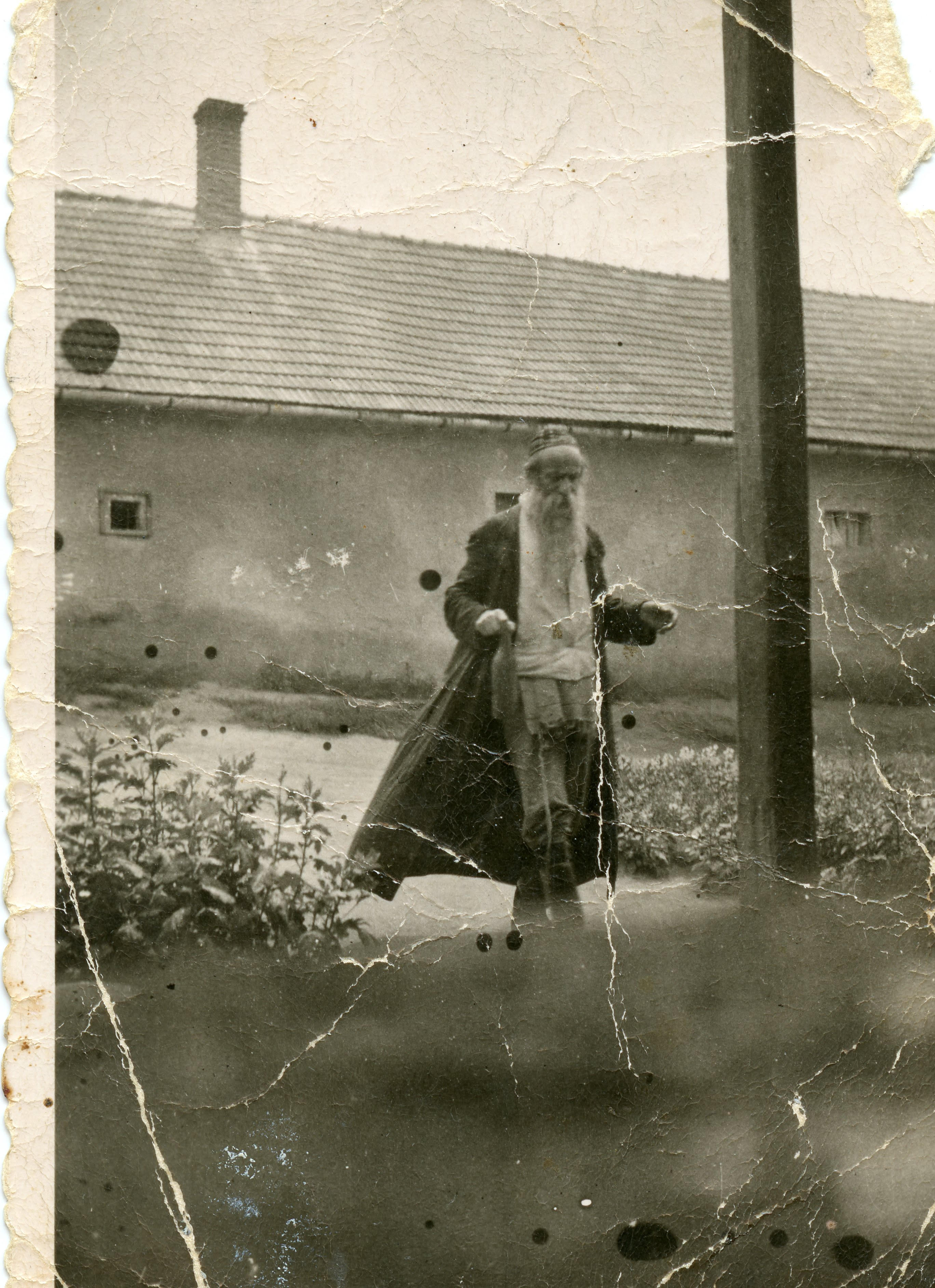
Rav Yeshua Heschel Landau zt"l

הרב יהושע העשיל בן משה דוב לאנדאו זצ"ל

Sivan 16 , 5704
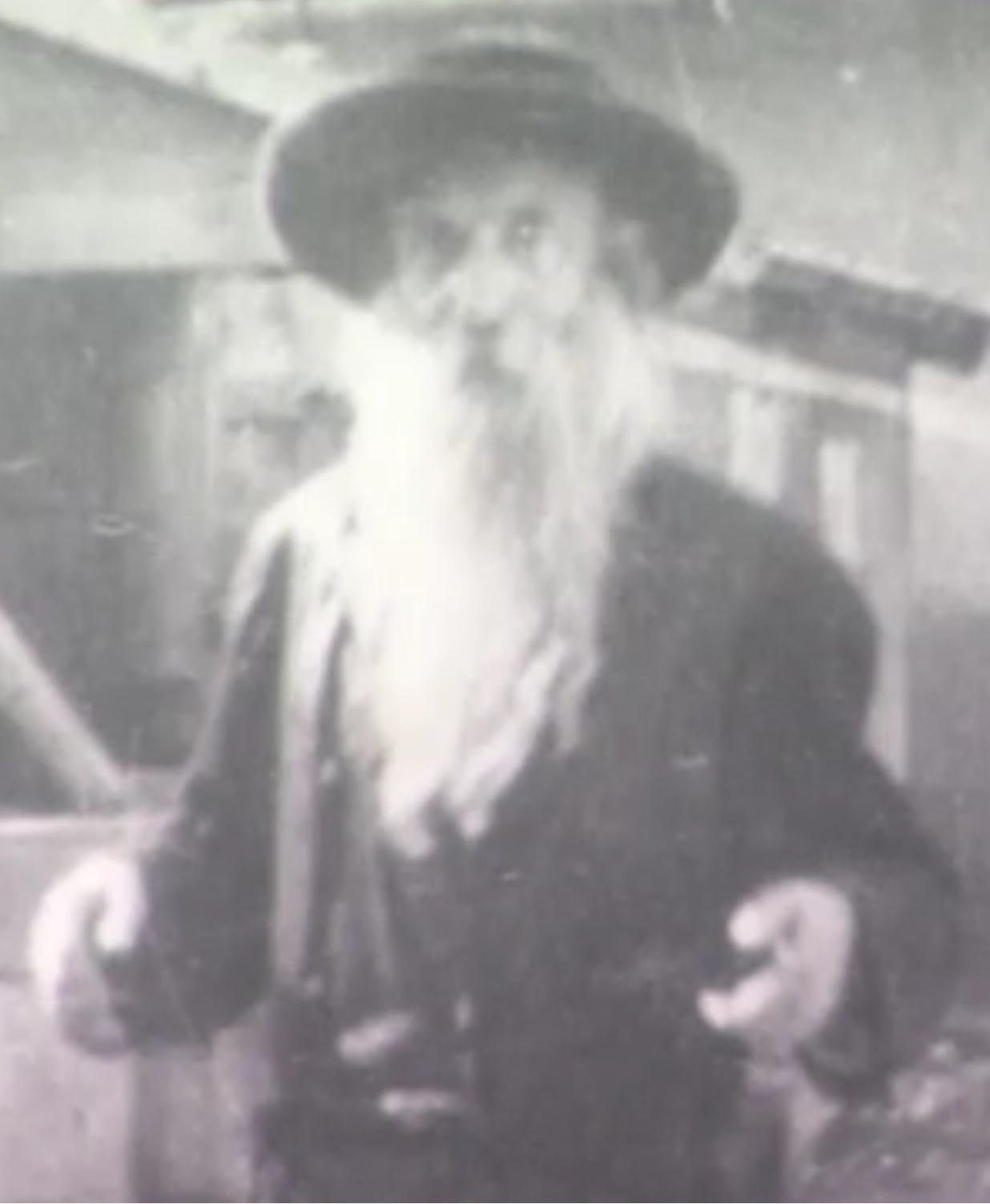
Known As: Vitka Rav
Father's Name: Moshe Dov Landau
  • Vitka Ruv
  • Vitka Ruv
  • Vitka Ruv
  • Vitka Ruv


Rav Yeshua Heschel Landau zt"l

Rav Yeshuah Heschel Landau HY”D, the Vitka rav


His Yichus and Derech HaLimud


Son of Rav Moshe Dov Landau Av Beis Din of Veretzkiya, and grandson of Rav Shlomo Zalman Av Beis Din Dobreh, the Vitka Rav, Rabbi Yeshua Heschel Landau was related to the Apta Rav and also to Rav Yissachar Dov of Belz. His grandfather’s mother was the Apta Rav’s sister, Breindel, and Rav Yissacher Dov’s father Rav Yehoshua Rokeach, was Rav Yitzchok Meir Zinkover’s [the Apta Rav’s son] son-in-law. So when the Vitka rav visited Belz and passed by Rav Yissacher Dov to greet him with a “Shalom Aleichem,” after davening, the Belzer Rav asked him who he was and who was his father, the Belzer replied, that they were related and did the Vitka Rav know how? The Vitka rav did not know and he was invited to Rav Yissacher Dov’s study before Kiddush. When he entered he found the Belzer Rebbe studying perek HaZahav in mesechta Bava Metzia with the commentary of the Shita Mekubetzes. “This teaches you,” the Vitka Rav would explain to his talmidim, “take advantage of your time and study Gemarra and Rishonim, Talmud and the early commentators rather than wasting your time studying response and likkutim.”


The Vitka Rav also chastised those who studied many seforim and said that when he visited Oberland, Hungary that their rabbis lived in wealth and had vast libraries while they could not learn properly, whereas the Unterland rabbis lived in abject poverty but so had less books and could learn better. Case and point he would remark that he knew that the Rav of the Hadass was a talmid chacham because he was poor and only owned Shas, Rambam, Tur and Shulchan Aruch volumes and therefore he had to study these and review them over and over and it was this that led to his wisdom.


His Family


The Vitka Rav only had one daughter. When he married his wife, Esther Miriam, the daughter of Rav Shlomo Yehuda Weinberger of Bagad, they waited three years with no children. The Tomoshaver Rebbe, Rav Yeshua was passing through Bagad and the Vitka rav asked him for a blessing. Some say he said “a daughter will one day walk among you,” other say he remarked, “He wants a child after three years? Eh, it took me seven till I had children,” and so it was that after seven years they had their only daughter Chaya Drizel.


His Rebbes


In his youth the Vitka Rav travelled to the Divrei Yechezkel of Shinova and when he passed on, he continued to be an ardent follower and a farbrente chassid of his son the Divrei Simcha of Tsheshinov. The Tsheshinover chassidim were known to be very fiery ovdei Hashem and the Vitka rav was no exception.  After the Tsheshinover rebbe, he followed the Atzei Chaim of Sighet.


His Avodah


He was an fervent devoted and constant mikva goer. Often late into the night he would go to the mikva. The fact that Vitka was a small town with no mikva and that the closest one was some 6 kilometers away on foot did not deter him, neither did the wicked Germans who beat him bloodily and merciliessly, nor did the sounds of wild dogs in the wilderness on the road. His talmidim who accompanied him on these nightly excursions testified that he never spoke, instead his lips constantly moved as he silently reviewed his learning by heart. One of his talmidim saved his life, when in the winter the Vitka Rav broke the ice and immersed himself and the talmid used his candle to find the Rav who hadn’t emerged for some time because he had lost the hole where to come back up! And still he continued to go to the mikva.


He afflicted himself, ate little, slept on the beis midrash bench all week long and only in a bed on Shabbos and fasted for forty years from one Shabbos to the next. His Rebbe the Atzei Chaim joked that on Shabbos the only reason he slept in bed was that he could dream and dream a nightmare so that he could fast for that on Shabbos as well!


Eventually on one of his nightly outings to the mikva, a wealthy Jewish merchant from Niederhausz Rav Shimon Nehemeti spotted the odd pair, of Rav and Talmid in the middle of the night, and when he inquired as to their destination and the talmid explained that they did this nightly to go to the mikva because Vitka had none, Rav Shimon convinced the Vitka Rav to move to Niederhausz. There he had a mikva and Rav Shimon supported him financially allowing him to open a yeshiva and teach his students Torah. Rav Shimon used to say that when he returned from a long trip buying and selling at the fair, and was unable to go to sleep after realizing how much bittul Torah the trip cost him, he reminded himself of the talmid chacham, alone soldier and guardian of Torah, the Vitka Rav sitting in Niederhausz  and learning being supported by me, then I can lay my head down to sleep!


His davening was fiery, loud and full of emotion and motion! He would spring up and jump as high as the ceiling, clapping his hands in passion. His talmidim said he took no notice of what he did, to the point where his loud banging on the shtender caused his hands to bleed and yet he continued with no notice. He was so moved during davening kabbalas Shabbos that he swayed to and fro and banged his head against the wall till he bled. The Av Beis Din of Payeh once owned a Berditchevr Tefillah Yeshara Siddur, which had bloodstained pages in the Kabbalas Shabbos service. When asked why, he explained that this was the very siddur the Vitka rav had davened from and when he banged into the wall the blood had dripped onto the siddur’s pages while he himself took no notice.


During Leining he himself was the Baal Koreh, and as he read from the Torah rivulets of sweat poured down his face from concentration and passion  as his voice thundered the Kriyas haTorah. The Gabbai had to stand beside him with towels to constantly mop his brow lest the sweat drip onto the scrolls and wet the parchment and passul the sefer, heaven forbid.


His custom was during singing Menucha veSimcha on Shabbos that he would jump up over the table and begin to dance. He danced for over an hour or two and the students would take it in turns to dance because they could not keep up with him or his superhuman strength and otherworldly passion! They used to exclaim at how such a weak emaciated form from fasting could serve Hashem aflame for hours with the strength and vigor that much younger fitter individuals lacked.


They once entered the beis midrash and found him lying prostrate on the floor with arms and legs spread out, outstretched in supplication and prayers, crying bitterly. When he noticed that he was caught in the act he begged them not to tell.


Sadly when the cursed Nazis liquidated Nierdhausz, they marched the Vitka Rav, Rav Shimon and all the Jews to Auschwitz where on the 16th of Sivan together with Rav Shalom Eliezerl of Ratzfurt he returned his pure holy soul to his Maker, May Hashem Avenge their bloody murder. And may the memory of the righteous stand for us a blessing.


Tehillim Leilui Nishmas Rav Yeshua Heschel Landau
ידֶיךָ עָשׂוּנִי וַיְכוֹנְנוּנִי הֲבִינֵנִי וְאֶלְמְדָה מִצְוֹתֶיךָ: יְרֵאֶיךָ יִרְאוּנִי וְיִשְׂמָחוּ כִּי לִדְבָרְךָ יִחָלְתִּי: יָדַעְתִּי יְהוָה כִּי צֶדֶק מִשְׁפָּטֶיךָ וֶאֱמוּנָה עִנִּיתָנִי: יְהִי נָא חַסְדְּךָ לְנַחֲמֵנִי כְּאִמְרָתְךָ לְעַבְדֶּךָ: יְבֹאוּנִי רַחֲמֶיךָ וְאֶחְיֶה כִּי תוֹרָתְךָ שַׁעֲשֻׁעָי: יֵבֹשׁוּ זֵדִים כִּי שֶׁקֶר עִוְּתוּנִי אֲנִי אָשִׂיחַ בְּפִקּוּדֶיךָ: יָשׁוּבוּ לִי יְרֵאֶיךָ (וידעו) וְיֹדְעֵי עֵדֹתֶיךָ: יְהִי לִבִּי תָמִים בְּחֻקֶּיךָ לְמַעַן לֹא אֵבוֹשׁ: כָּלְתָה לִתְשׁוּעָתְךָ נַפְשִׁי לִדְבָרְךָ יִחָלְתִּי:

הֲבִינֵנִי וְאֶצְּרָה תוֹרָתֶךָ וְאֶשְׁמְרֶנָּה בְכָל לֵב: הַדְרִיכֵנִי בִּנְתִיב מִצְוֹתֶיךָ כִּי בוֹ חָפָצְתִּי: הַט לִבִּי אֶל עֵדְוֹתֶיךָ וְאַל אֶל בָּצַע: הַעֲבֵר עֵינַי מֵרְאוֹת שָׁוְא בִּדְרָכֶךָ חַיֵּנִי: הָקֵם לְעַבְדְּךָ אִמְרָתֶךָ אֲשֶׁר לְיִרְאָתֶךָ: הַעֲבֵר חֶרְפָּתִי אֲשֶׁר יָגֹרְתִּי כִּי מִשְׁפָּטֶיךָ טוֹבִים: הִנֵּה תָּאַבְתִּי לְפִקֻּדֶיךָ בְּצִדְקָתְךָ חַיֵּנִי:

וִיבֹאֻנִי חֲסָדֶךָ יְהוָה תְּשׁוּעָתְךָ כְּאִמְרָתֶךָ: וְאֶעֱנֶה חֹרְפִי דָבָר כִּי בָטַחְתִּי בִּדְבָרֶךָ: וְאַל תַּצֵּל מִפִּי דְבַר אֱמֶת עַד מְאֹד כִּי לְמִשְׁפָּטֶךָ יִחָלְתִּי: וְאֶשְׁמְרָה תוֹרָתְךָ תָמִיד לְעוֹלָם וָעֶד: וְאֶתְהַלְּכָה בָרְחָבָה כִּי פִקֻּדֶיךָ דָרָשְׁתִּי: וַאֲדַבְּרָה בְעֵדֹתֶיךָ נֶגֶד מְלָכִים וְלֹא אֵבוֹשׁ: וְאֶשְׁתַּעֲשַׁע בְּמִצְוֹתֶיךָ אֲשֶׁר אָהָבְתִּי: וְאֶשָּׂא כַפַּי אֶל מִצְוֹתֶיךָ אֲשֶׁר אָהָבְתִּי וְאָשִׂיחָה בְחֻקֶּיךָ:

שָׂרִים רְדָפוּנִי חִנָּם (ומדבריך) וּמִדְּבָרְךָ פָּחַד לִבִּי: שָׂשׂ אָנֹכִי עַל אִמְרָתֶךָ כְּמוֹצֵא שָׁלָל רָב: שֶׁקֶר שָׂנֵאתִי וַאֲתַעֵבָה תּוֹרָתְךָ אָהָבְתִּי: שֶׁבַע בַּיּוֹם הִלַּלְתִּיךָ עַל מִשְׁפְּטֵי צִדְקֶךָ: שָׁלוֹם רָב לְאֹהֲבֵי תוֹרָתֶךָ וְאֵין לָמוֹ מִכְשׁוֹל: שִׂבַּרְתִּי לִישׁוּעָתְךָ יְהוָה וּמִצְוֹתֶיךָ עָשִׂיתִי: שָׁמְרָה נַפְשִׁי עֵדֹתֶיךָ וָאֹהֲבֵם מְאֹד: שָׁמַרְתִּי פִקּוּדֶיךָ וְעֵדֹתֶיךָ כִּי כָל דְּרָכַי נֶגְדֶּךָ:

עָשִׂיתִי מִשְׁפָּט וָצֶדֶק בַּל תַּנִּיחֵנִי לְעֹשְׁקָי: עֲרֹב עַבְדְּךָ לְטוֹב אַל יַעַשְׁקֻנִי זֵדִים: עֵינַי כָּלוּ לִישׁוּעָתֶךָ וּלְאִמְרַת צִדְקֶךָ: עֲשֵׂה עִם עַבְדְּךָ כְחַסְדֶּךָ וְחֻקֶּיךָ לַמְּדֵנִי: עַבְדְּךָ אָנִי הֲבִינֵנִי וְאֵדְעָה עֵדֹתֶיךָ: עֵת לַעֲשׂוֹת לַיהוָה הֵפֵרוּ תּוֹרָתֶךָ: עַל כֵּן אָהַבְתִּי מִצְוֹתֶיךָ מִזָּהָב וּמִפָּז: עַל כֵּן כָּל פִּקּוּדֵי כֹל יִשָּׁרְתִּי כָּל אֹרַח שֶׁקֶר שָׂנֵאתִי:


הֲבִינֵנִי וְאֶצְּרָה תוֹרָתֶךָ וְאֶשְׁמְרֶנָּה בְכָל לֵב: הַדְרִיכֵנִי בִּנְתִיב מִצְוֹתֶיךָ כִּי בוֹ חָפָצְתִּי: הַט לִבִּי אֶל עֵדְוֹתֶיךָ וְאַל אֶל בָּצַע: הַעֲבֵר עֵינַי מֵרְאוֹת שָׁוְא בִּדְרָכֶךָ חַיֵּנִי: הָקֵם לְעַבְדְּךָ אִמְרָתֶךָ אֲשֶׁר לְיִרְאָתֶךָ: הַעֲבֵר חֶרְפָּתִי אֲשֶׁר יָגֹרְתִּי כִּי מִשְׁפָּטֶיךָ טוֹבִים: הִנֵּה תָּאַבְתִּי לְפִקֻּדֶיךָ בְּצִדְקָתְךָ חַיֵּנִי:

עָשִׂיתִי מִשְׁפָּט וָצֶדֶק בַּל תַּנִּיחֵנִי לְעֹשְׁקָי: עֲרֹב עַבְדְּךָ לְטוֹב אַל יַעַשְׁקֻנִי זֵדִים: עֵינַי כָּלוּ לִישׁוּעָתֶךָ וּלְאִמְרַת צִדְקֶךָ: עֲשֵׂה עִם עַבְדְּךָ כְחַסְדֶּךָ וְחֻקֶּיךָ לַמְּדֵנִי: עַבְדְּךָ אָנִי הֲבִינֵנִי וְאֵדְעָה עֵדֹתֶיךָ: עֵת לַעֲשׂוֹת לַיהוָה הֵפֵרוּ תּוֹרָתֶךָ: עַל כֵּן אָהַבְתִּי מִצְוֹתֶיךָ מִזָּהָב וּמִפָּז: עַל כֵּן כָּל פִּקּוּדֵי כֹל יִשָּׁרְתִּי כָּל אֹרַח שֶׁקֶר שָׂנֵאתִי:

שָׂרִים רְדָפוּנִי חִנָּם (ומדבריך) וּמִדְּבָרְךָ פָּחַד לִבִּי: שָׂשׂ אָנֹכִי עַל אִמְרָתֶךָ כְּמוֹצֵא שָׁלָל רָב: שֶׁקֶר שָׂנֵאתִי וַאֲתַעֵבָה תּוֹרָתְךָ אָהָבְתִּי: שֶׁבַע בַּיּוֹם הִלַּלְתִּיךָ עַל מִשְׁפְּטֵי צִדְקֶךָ: שָׁלוֹם רָב לְאֹהֲבֵי תוֹרָתֶךָ וְאֵין לָמוֹ מִכְשׁוֹל: שִׂבַּרְתִּי לִישׁוּעָתְךָ יְהוָה וּמִצְוֹתֶיךָ עָשִׂיתִי: שָׁמְרָה נַפְשִׁי עֵדֹתֶיךָ וָאֹהֲבֵם מְאֹד: שָׁמַרְתִּי פִקּוּדֶיךָ וְעֵדֹתֶיךָ כִּי כָל דְּרָכַי נֶגְדֶּךָ:

ידֶיךָ עָשׂוּנִי וַיְכוֹנְנוּנִי הֲבִינֵנִי וְאֶלְמְדָה מִצְוֹתֶיךָ: יְרֵאֶיךָ יִרְאוּנִי וְיִשְׂמָחוּ כִּי לִדְבָרְךָ יִחָלְתִּי: יָדַעְתִּי יְהוָה כִּי צֶדֶק מִשְׁפָּטֶיךָ וֶאֱמוּנָה עִנִּיתָנִי: יְהִי נָא חַסְדְּךָ לְנַחֲמֵנִי כְּאִמְרָתְךָ לְעַבְדֶּךָ: יְבֹאוּנִי רַחֲמֶיךָ וְאֶחְיֶה כִּי תוֹרָתְךָ שַׁעֲשֻׁעָי: יֵבֹשׁוּ זֵדִים כִּי שֶׁקֶר עִוְּתוּנִי אֲנִי אָשִׂיחַ בְּפִקּוּדֶיךָ: יָשׁוּבוּ לִי יְרֵאֶיךָ (וידעו) וְיֹדְעֵי עֵדֹתֶיךָ: יְהִי לִבִּי תָמִים בְּחֻקֶּיךָ לְמַעַן לֹא אֵבוֹשׁ: כָּלְתָה לִתְשׁוּעָתְךָ נַפְשִׁי לִדְבָרְךָ יִחָלְתִּי:

לְעוֹלָם יְהוָה דְּבָרְךָ נִצָּב בַּשָּׁמָיִם: לְדֹר וָדֹר אֱמוּנָתֶךָ כּוֹנַנְתָּ אֶרֶץ וַתַּעֲמֹד: לְמִשְׁפָּטֶיךָ עָמְדוּ הַיּוֹם כִּי הַכֹּל עֲבָדֶיךָ: לוּלֵי תוֹרָתְךָ שַׁעֲשֻׁעָי אָז אָבַדְתִּי בְעָנְיִי: לְעוֹלָם לֹא אֶשְׁכַּח פִּקּוּדֶיךָ כִּי בָם חִיִּיתָנִי: לְךָ אֲנִי הוֹשִׁיעֵנִי כִּי פִקּוּדֶיךָ דָרָשְׁתִּי: לִי קִוּוּ רְשָׁעִים לְאַבְּדֵנִי עֵדֹתֶיךָ אֶתְבּוֹנָן: לְכָל תִּכְלָה רָאִיתִי קֵץ רְחָבָה מִצְוָתְךָ מְאֹד:


בַּמֶּה יְזַכֶּה נַּעַר אֶת אָרְחוֹ לִשְׁמֹר כִּדְבָרֶךָ: בְּכָל לִבִּי דְרַשְׁתִּיךָ אַל תַּשְׁגֵּנִי מִמִּצְוֹתֶיךָ: בְּלִבִּי צָפַנְתִּי אִמְרָתֶךָ לְמַעַן לֹא אֶחֱטָא לָךְ: בָּרוּךְ אַתָּה יְהוָה לַמְּדֵנִי חֻקֶּיךָ: בִּשְׂפָתַי סִפַּרְתִּי כֹּל מִשְׁפְּטֵי פִיךָ: בְּדֶרֶךְ עֵדְוֹתֶיךָ שַׂשְׂתִּי כְּעַל כָּל הוֹן: בְּפִקֻּדֶיךָ אָשִׂיחָה וְאַבִּיטָה אֹרְחֹתֶיךָ: בְּחֻקֹּתֶיךָ אֶשְׁתַּעֲשָׁע לֹא אֶשְׁכַּח דְּבָרֶךָ:

נֵר לְרַגְלִי דְבָרֶךָ וְאוֹר לִנְתִיבָתִי: נִשְׁבַּעְתִּי וָאֲקַיֵּמָה לִשְׁמֹר מִשְׁפְּטֵי צִדְקֶךָ: נַעֲנֵיתִי עַד מְאֹד יְהוָה חַיֵּנִי כִדְבָרֶךָ: נִדְבוֹת פִּי רְצֵה נָא יְהוָה וּמִשְׁפָּטֶיךָ לַמְּדֵנִי: נַפְשִׁי בְכַפִּי תָמִיד וְתוֹרָתְךָ לֹא שָׁכָחְתִּי: נָתְנוּ רְשָׁעִים פַּח לִי וּמִפִּקּוּדֶיךָ לֹא תָעִיתִי: נָחַלְתִּי עֵדְוֹתֶיךָ לְעוֹלָם כִּי שְׂשׂוֹן לִבִּי הֵמָּה: נָטִיתִי לִבִּי לַעֲשׂוֹת חֻקֶּיךָ לְעוֹלָם עֵקֶב:


מָה אָהַבְתִּי תוֹרָתֶךָ כָּל הַיּוֹם הִיא שִׂיחָתִי: מֵאֹיְבַי תְּחַכְּמֵנִי מִצְוֹתֶךָ כִּי לְעוֹלָם הִיא לִי: מִכָּל מְלַמְּדַי הִשְׂכַּלְתִּי כִּי עֵדְוֹתֶיךָ שִׂיחָה לִֿי: מִזְּקֵנִים אֶתְבּוֹנָן כִּי פִקּוּדֶיךָ נָצָרְתִּי: מִכָּל אֹרַח רָע כָּלִאתִי רַגְלָי לְמַעַן אֶשְׁמֹר דְּבָרֶךָ: מִמִּשְׁפָּטֶיךָ לֹא סָרְתִּי כִּי אַתָּה הוֹרֵתָנִי: מַה נִּמְלְצוּ לְחִכִּי אִמְרָתֶךָ מִדְּבַשׁ לְפִי: מִפִּקּוּדֶיךָ אֶתְבּוֹנָן עַל כֵּן שָׂנֵאתִי כָּל אֹרַח שָׁקֶר:

שָׂרִים רְדָפוּנִי חִנָּם (ומדבריך) וּמִדְּבָרְךָ פָּחַד לִבִּי: שָׂשׂ אָנֹכִי עַל אִמְרָתֶךָ כְּמוֹצֵא שָׁלָל רָב: שֶׁקֶר שָׂנֵאתִי וַאֲתַעֵבָה תּוֹרָתְךָ אָהָבְתִּי: שֶׁבַע בַּיּוֹם הִלַּלְתִּיךָ עַל מִשְׁפְּטֵי צִדְקֶךָ: שָׁלוֹם רָב לְאֹהֲבֵי תוֹרָתֶךָ וְאֵין לָמוֹ מִכְשׁוֹל: שִׂבַּרְתִּי לִישׁוּעָתְךָ יְהוָה וּמִצְוֹתֶיךָ עָשִׂיתִי: שָׁמְרָה נַפְשִׁי עֵדֹתֶיךָ וָאֹהֲבֵם מְאֹד: שָׁמַרְתִּי פִקּוּדֶיךָ וְעֵדֹתֶיךָ כִּי כָל דְּרָכַי נֶגְדֶּךָ:

הֲבִינֵנִי וְאֶצְּרָה תוֹרָתֶךָ וְאֶשְׁמְרֶנָּה בְכָל לֵב: הַדְרִיכֵנִי בִּנְתִיב מִצְוֹתֶיךָ כִּי בוֹ חָפָצְתִּי: הַט לִבִּי אֶל עֵדְוֹתֶיךָ וְאַל אֶל בָּצַע: הַעֲבֵר עֵינַי מֵרְאוֹת שָׁוְא בִּדְרָכֶךָ חַיֵּנִי: הָקֵם לְעַבְדְּךָ אִמְרָתֶךָ אֲשֶׁר לְיִרְאָתֶךָ: הַעֲבֵר חֶרְפָּתִי אֲשֶׁר יָגֹרְתִּי כִּי מִשְׁפָּטֶיךָ טוֹבִים: הִנֵּה תָּאַבְתִּי לְפִקֻּדֶיךָ בְּצִדְקָתְךָ חַיֵּנִי:


דָּבְקָה לֶעָפָר נַפְשִׁי חַיֵּנִי כִּדְבָרֶךָ: דְּרָכַי סִפַּרְתִּי וַתַּעֲנֵנִי לַמְּדֵנִי חֻקֶּיךָ: דֶּרֶךְ פִּקּוּדֶיךָ הֲבִינֵנִי וְאָשִׂיחָה בְּנִפְלְאוֹתֶיךָ: דָּלְפָה נַפְשִׁי מִתּוּגָה קַיְּמֵנִי כִּדְבָרֶךָ: דֶּרֶךְ שֶׁקֶר הָסֵר מִמֶּנִּי וְתוֹרָתְךָ חָנֵּנִי: דֶּרֶךְ אֱמוּנָה בָחָרְתִּי מִשְׁפָּטֶיךָ שִׁוִּיתִי: דָּבַקְתִּי בְעֵדְוֹתֶיךָ יְהוָה אַל תְּבִישֵׁנִי: דֶּרֶךְ מִצְוֹתֶיךָ אָרוּץ כִּי תַרְחִיב לִבִּי: הוֹרֵנִי יְהוָה דֶּרֶךְ חֻקֶּיךָ וְאֶצְּרֶנָּה עֵקֶב:

וִיבֹאֻנִי חֲסָדֶךָ יְהוָה תְּשׁוּעָתְךָ כְּאִמְרָתֶךָ: וְאֶעֱנֶה חֹרְפִי דָבָר כִּי בָטַחְתִּי בִּדְבָרֶךָ: וְאַל תַּצֵּל מִפִּי דְבַר אֱמֶת עַד מְאֹד כִּי לְמִשְׁפָּטֶךָ יִחָלְתִּי: וְאֶשְׁמְרָה תוֹרָתְךָ תָמִיד לְעוֹלָם וָעֶד: וְאֶתְהַלְּכָה בָרְחָבָה כִּי פִקֻּדֶיךָ דָרָשְׁתִּי: וַאֲדַבְּרָה בְעֵדֹתֶיךָ נֶגֶד מְלָכִים וְלֹא אֵבוֹשׁ: וְאֶשְׁתַּעֲשַׁע בְּמִצְוֹתֶיךָ אֲשֶׁר אָהָבְתִּי: וְאֶשָּׂא כַפַּי אֶל מִצְוֹתֶיךָ אֲשֶׁר אָהָבְתִּי וְאָשִׂיחָה בְחֻקֶּיךָ:

בַּמֶּה יְזַכֶּה נַּעַר אֶת אָרְחוֹ לִשְׁמֹר כִּדְבָרֶךָ: בְּכָל לִבִּי דְרַשְׁתִּיךָ אַל תַּשְׁגֵּנִי מִמִּצְוֹתֶיךָ: בְּלִבִּי צָפַנְתִּי אִמְרָתֶךָ לְמַעַן לֹא אֶחֱטָא לָךְ: בָּרוּךְ אַתָּה יְהוָה לַמְּדֵנִי חֻקֶּיךָ: בִּשְׂפָתַי סִפַּרְתִּי כֹּל מִשְׁפְּטֵי פִיךָ: בְּדֶרֶךְ עֵדְוֹתֶיךָ שַׂשְׂתִּי כְּעַל כָּל הוֹן: בְּפִקֻּדֶיךָ אָשִׂיחָה וְאַבִּיטָה אֹרְחֹתֶיךָ: בְּחֻקֹּתֶיךָ אֶשְׁתַּעֲשָׁע לֹא אֶשְׁכַּח דְּבָרֶךָ:


נֵר לְרַגְלִי דְבָרֶךָ וְאוֹר לִנְתִיבָתִי: נִשְׁבַּעְתִּי וָאֲקַיֵּמָה לִשְׁמֹר מִשְׁפְּטֵי צִדְקֶךָ: נַעֲנֵיתִי עַד מְאֹד יְהוָה חַיֵּנִי כִדְבָרֶךָ: נִדְבוֹת פִּי רְצֵה נָא יְהוָה וּמִשְׁפָּטֶיךָ לַמְּדֵנִי: נַפְשִׁי בְכַפִּי תָמִיד וְתוֹרָתְךָ לֹא שָׁכָחְתִּי: נָתְנוּ רְשָׁעִים פַּח לִי וּמִפִּקּוּדֶיךָ לֹא תָעִיתִי: נָחַלְתִּי עֵדְוֹתֶיךָ לְעוֹלָם כִּי שְׂשׂוֹן לִבִּי הֵמָּה: נָטִיתִי לִבִּי לַעֲשׂוֹת חֻקֶּיךָ לְעוֹלָם עֵקֶב:

שָׂרִים רְדָפוּנִי חִנָּם (ומדבריך) וּמִדְּבָרְךָ פָּחַד לִבִּי: שָׂשׂ אָנֹכִי עַל אִמְרָתֶךָ כְּמוֹצֵא שָׁלָל רָב: שֶׁקֶר שָׂנֵאתִי וַאֲתַעֵבָה תּוֹרָתְךָ אָהָבְתִּי: שֶׁבַע בַּיּוֹם הִלַּלְתִּיךָ עַל מִשְׁפְּטֵי צִדְקֶךָ: שָׁלוֹם רָב לְאֹהֲבֵי תוֹרָתֶךָ וְאֵין לָמוֹ מִכְשׁוֹל: שִׂבַּרְתִּי לִישׁוּעָתְךָ יְהוָה וּמִצְוֹתֶיךָ עָשִׂיתִי: שָׁמְרָה נַפְשִׁי עֵדֹתֶיךָ וָאֹהֲבֵם מְאֹד: שָׁמַרְתִּי פִקּוּדֶיךָ וְעֵדֹתֶיךָ כִּי כָל דְּרָכַי נֶגְדֶּךָ:

מָה אָהַבְתִּי תוֹרָתֶךָ כָּל הַיּוֹם הִיא שִׂיחָתִי: מֵאֹיְבַי תְּחַכְּמֵנִי מִצְוֹתֶךָ כִּי לְעוֹלָם הִיא לִי: מִכָּל מְלַמְּדַי הִשְׂכַּלְתִּי כִּי עֵדְוֹתֶיךָ שִׂיחָה לִֿי: מִזְּקֵנִים אֶתְבּוֹנָן כִּי פִקּוּדֶיךָ נָצָרְתִּי: מִכָּל אֹרַח רָע כָּלִאתִי רַגְלָי לְמַעַן אֶשְׁמֹר דְּבָרֶךָ: מִמִּשְׁפָּטֶיךָ לֹא סָרְתִּי כִּי אַתָּה הוֹרֵתָנִי: מַה נִּמְלְצוּ לְחִכִּי אִמְרָתֶךָ מִדְּבַשׁ לְפִי: מִפִּקּוּדֶיךָ אֶתְבּוֹנָן עַל כֵּן שָׂנֵאתִי כָּל אֹרַח שָׁקֶר:

הֲבִינֵנִי וְאֶצְּרָה תוֹרָתֶךָ וְאֶשְׁמְרֶנָּה בְכָל לֵב: הַדְרִיכֵנִי בִּנְתִיב מִצְוֹתֶיךָ כִּי בוֹ חָפָצְתִּי: הַט לִבִּי אֶל עֵדְוֹתֶיךָ וְאַל אֶל בָּצַע: הַעֲבֵר עֵינַי מֵרְאוֹת שָׁוְא בִּדְרָכֶךָ חַיֵּנִי: הָקֵם לְעַבְדְּךָ אִמְרָתֶךָ אֲשֶׁר לְיִרְאָתֶךָ: הַעֲבֵר חֶרְפָּתִי אֲשֶׁר יָגֹרְתִּי כִּי מִשְׁפָּטֶיךָ טוֹבִים: הִנֵּה תָּאַבְתִּי לְפִקֻּדֶיךָ בְּצִדְקָתְךָ חַיֵּנִי:

Sign In

Register

Reset Password

Please enter your username or email address, you will receive a link to create a new password via email.