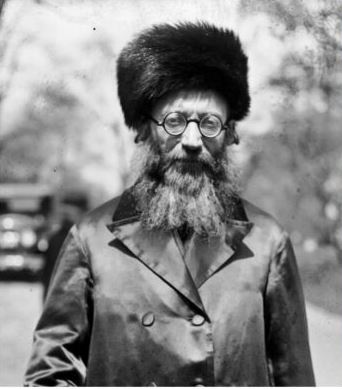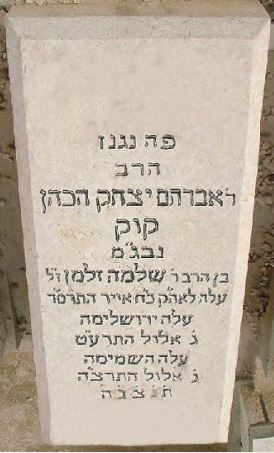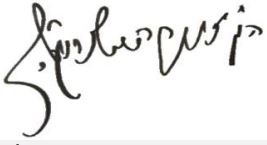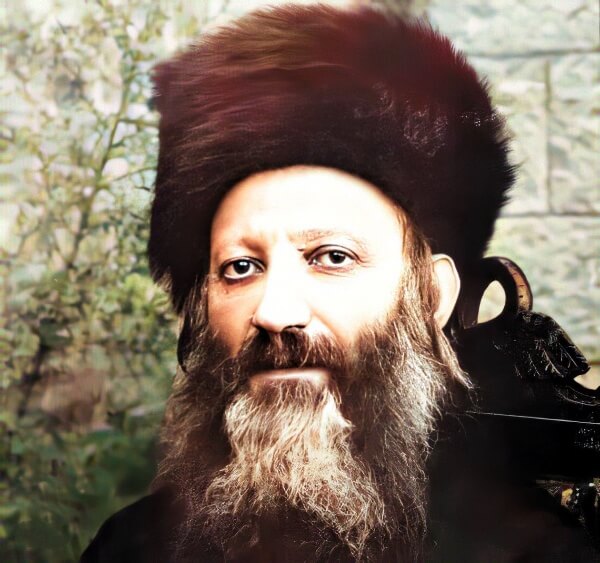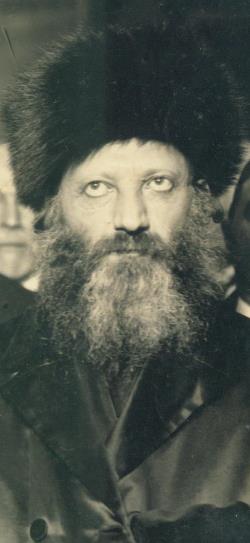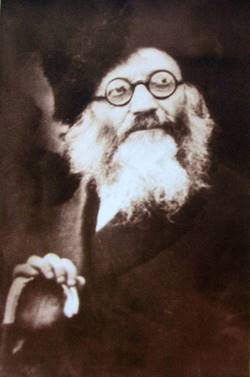
Rav Avrohom Yitzchok Kook zt"l

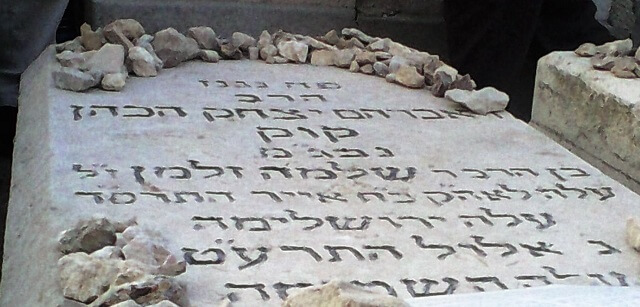
הרב אברהם יצחק בן שלמה זלמן קוק זצ"ל

Elul 3 , 5695
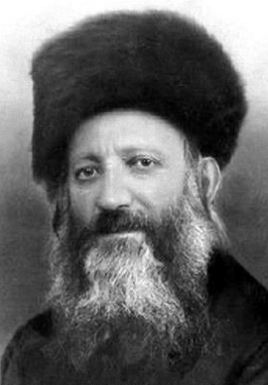
Known As: 1st Chief Rabbi of pre state Israel
Father's Name: Shlomo Zalman Kook


Rav Avrohom Yitzchok Kook zt"l


  • 5625 (1865) Born on the 16th of Elul, 5625 (Sep. 7, 1865) in Greive (now Griva), a suburb of Dvinsk in Latvia.

  • 5645 (1884) At age 18, he studied for a year and a half at the famed Volozhin yeshiva. The head of the Volozhin yeshiva, Rabbi Naftali Tzvi Berlin (the "Netziv"), held the "ilui [prodigy] from Griva" in high esteem.

  • 5646 (1886) Married Batsheva, the daughter of Rabbi Eliyahu David Rabinowitz-Teomim (1843-1905) (known by his initials, the Aderet), then rabbi of Ponevezh, and later chief rabbi of Jerusalem.

  • 5648 (1888) Appointed rabbi of Zeimel (Zeimelis) in Lithuania at age 22. Launched a short-lived monthly rabbinic journal, Itur Sofrim.

  • 5649 (1889) During his stay in Zeimel, Rav Kook's first wife died. (Their daughter Frayda Chana was a year and a half at the time.) His father-in-law the Aderet convinced him to marry Raiza-Rivka Rabinowitz, daughter of the Aderet's twin brother. Raiza-Rivka was the mother of Rabbi Tzvi Yehuda Kook, Esther Ya’el Kook, and Batya-Miriam Ra'anan.

  • Studied with the great Kabbalist, Rabbi Shlomo Elyashiv (1839-1926), author of Leshem Shevo Ve-Achlamah.

  • 5654-5656 (1894-1896) Collected 38 sermons in the book Midbar Shur. The manuscript, however, was stolen, and the book was only published a century later, in 1999.
    5656 (1896) Became rabbi of Boisk (now Bauska), Latvia.

  • Wrote Musar Avicha, a treatise on moral reflections (published posthumously in 1946)

  • 5664 (1904) Arrived in Eretz Yisrael on the 28th of Iyar, 5664 (May 13, 1904). He served as rabbi of Jaffa and the surrounding settlements for the next ten years.
    5665 (1905) Published the first chapters of Orot HaTeshuvah, Rav Kook's original thoughts on the topic of repentance, as well as Eder HaYakar and Ikvei Hatzon.

  • 5670 (1910) Sabbatical year. Published the Halachic work, Shabbat Ha'Aretz, in defense of the heter mechirah.

  • 5674 (1913) Lead a mission of rabbis to settlements in the north to encourage them and strengthen religious observance.

  • 5674 (1914) Traveled to Europe for Agudat Yisrael convention in Germany. Unable to return to Eretz Yisrael due to the sudden outbreak of World War I, Rav Kook spent a year and a half in St. Gallen, Switzerland.

  • 5676 (1916) Rav Kook arrived in England in early 1916. He served as rabbi of Machzikei HaDat congregation in London for three years during the war. In 1917, he published the mystical treatise Rosh Millin on the letters of the Hebrew alphabet.

  • 5679 (1919) Returned to Eretz Yisrael.

  • In Tevet 5680 (Dec. 1919 - Jan. 1920), he accepted the position of Chief Rabbi of Jerusalem.
    Two months earlier, his twelve-year-old daughter Esther Ya’el died tragically after falling down a flight of steps.

  • 5680 (1920) Rabbi Tzvi Yehuda Kook edited some of his father's writings, publishing them in the book Orot - Rav Kook's most famous work.

  • 5681 (1921) Established Chief Rabbinate of pre-state Israel, becoming Chief Rabbi together with Sephardic Chief Rabbi Yaakov Meir.

  • 5684 (1924) Established the Mercaz HaRav yeshivah in Jerusalem, unique among the yeshivot at that time in its religious philosophy and positive attitude towards Zionism.

  • 5695 (1935) Rav Kook passed away in Jerusalem on the third of Elul, 5695 (Sep 1, 1935), two weeks before his 70th birthday.


Quotes from Rav Kook

“The old shall be renewed, and the new shall be made holy.”

“I don't speak because I have the power to speak; I speak because I don't have the power to remain silent.”

“If we were destroyed, and the world with us, due to baseless hatred, then we shall rebuild ourselves, and the world with us, with baseless love.”

“The purest righteous do not complain about evil; rather, they increase justice.
They do not complain about godlessness, but increase faith.
They do not complain about ignorance, but increase wisdom.”

“There are free men with the spirit of a slave, and slaves whose spirit is full of freedom. One who is true to his inner self is a free man, while one whose entire life is merely a stage for what is good in the eyes of others, is a slave.”

“Ascend towards the heights, ascend!
For you have great strength.
You have wings of spirit, wings of mighty eagles.
Do not fail them, or they will fail you.
Seek them and you will find them right away.”

Courtesy of http://www.ravkooktorah.org

Stories of Rav Avrohom Yitzchok Kook zt"l

Jaffa’s previous rabbi had passed away two years earlier. R. Yoel Moshe Solomon (1838-1912), a pioneering figure in Jerusalem and one of the founders of Petach Tikva, was among the first to suggest that Rav Kook, then rabbi of Bausk, be offered the position. Solomon brought the proposal to Rabbi Eliyahu David Rabinowitz-Teumim (commonly known by the acronym ‘Aderet'), the chief rabbi of Jerusalem and Rabbi Kook’s father-in-law.

That very day, the Aderet sent an urgent message to his son-in-law advising him to accept the position of rabbi of Jaffa and its surrounding communities. Rabbi Kook was delighted with the suggestion, but wanted to know what Rabbi Shmuel Salant, the previous chief rabbi of Jerusalem and its elder statesman, thought about the proposal. The Aderet reported that when he queried Rabbi Salant, the scholar happily responded, “If only!”

The Aderet later noted with irony, “In truth, my son-in-law should have been appointed the rabbi of the holy city of Jerusalem, and I should have been the rabbi of the small town of Jaffa.” Fifteen years later, Rav Kook did in fact become the chief rabbi of Jerusalem.

The Arrival

Despite the insistence of the community of Bausk that their beloved rabbi not abandon them, Rabbi Kook saw in the Jaffa position a fulfillment of his long-cherished dream to live in Eretz Yisrael. In the early summer of 1904, Rabbi Kook and his family made their way to pre-state Israel through Odessa. On the beach at Jaffa, they were greeted enthusiastically by the community. R. Yoel Moshe Solomon, together with other public figures who had worked toward the appointment, set out in a small boat to greet the new rabbi.

The weekly newspaper Ha-Hashkafah described the momentous occasion:

“On Friday, the 28th of Iyar, our new rabbi made his appearance in our town.... He was received with great honor by residents of the community from all sections of the population. Messengers came from Jerusalem, to welcome him in the name of Rabbi Shmuel Salant and the Aderet. Delegates also came from the villages of Rishon Letzion, Petach Tikvah, and so on, to receive their new rabbi.

Important representatives from the Sephardic community also arrived, and he spoke with them in pure Hebrew. It is rare to find an [Ashkenazic] rabbi who can speak such a pure, flowing Hebrew. On the Sabbath morning, the rabbi spoke well with a clear, unadulterated Hebrew, and the Sephardic Jews also understood his words and enjoyed the sermon.

Even the Chabad Chasidim expressed their opinion that they consider the new rabbi to be the best possible choice. They concluded that such a rabbi was on par with the rabbis of the greatest cities of the world, due to his great wisdom and erudition.... They also consoled themselves, that even though the new rabbi was educated in non-Chasidic yeshivot, on his mother’s side he is descended from Chabad Chasidim, and is endowed with several Chasidic qualities.”

Footsteps in the Sand

“Rav Kook’s house was a few hundred steps from our home. His house was enclosed with a whitewashed fence. The courtyard had a gate, and contained a small garden and a well of water. Just the sight of the house conveyed an atmosphere of serenity and joy. Through the open windows of the house we could hear the sounds of Jews studying Torah. And when the figure of Rav Kook would appear in the opening of the gate, as he readied himself to walk to synagogue — this image would always take my breath away.

As a child I adored him, because of his beauty, his noble serenity, and his unwavering poise. His persona fascinated me so much that I would literally follow after him, placing my feet in the footprints that he left in the sand.... I never met another man like that, a rabbi who knew how to attract people from all sectors and factions. What a figure he was!”

(Stories from the Land of Israel. Adapted from Encyclopedia of Religious Zionism, vol. V, pp. 110-111)


Tehillim Leilui Nishmas Rav Avrohom Yitzchok Kook
אַשְׁרֵי תְמִימֵי דָרֶךְ הַהֹלְכִים בְּתוֹרַת יְהוָה: אַשְׁרֵי נֹצְרֵי עֵדֹתָיו בְּכָל לֵב יִדְרְשׁוּהוּ: אַף לֹא פָעֲלוּ עַוְלָה בִּדְרָכָיו הָלָכוּ: אַתָּה צִוִּיתָה פִקֻּדֶיךָ לִשְׁמֹר מְאֹד: אַחֲלַי יִכֹּנוּ דְרָכָי לִשְׁמֹר חֻקֶּיךָ: אָז לֹא אֵבוֹשׁ בְּהַבִּיטִי אֶל כָּל מִצְוֹתֶיךָ: אוֹדְךָ בְּיֹשֶׁר לֵבָב בְּלָמְדִי מִשְׁפְּטֵי צִדְקֶךָ: אֶת חֻקֶּיךָ אֶשְׁמֹר אַל תַּעַזְבֵנִי עַד מְאֹד:

בַּמֶּה יְזַכֶּה נַּעַר אֶת אָרְחוֹ לִשְׁמֹר כִּדְבָרֶךָ: בְּכָל לִבִּי דְרַשְׁתִּיךָ אַל תַּשְׁגֵּנִי מִמִּצְוֹתֶיךָ: בְּלִבִּי צָפַנְתִּי אִמְרָתֶךָ לְמַעַן לֹא אֶחֱטָא לָךְ: בָּרוּךְ אַתָּה יְהוָה לַמְּדֵנִי חֻקֶּיךָ: בִּשְׂפָתַי סִפַּרְתִּי כֹּל מִשְׁפְּטֵי פִיךָ: בְּדֶרֶךְ עֵדְוֹתֶיךָ שַׂשְׂתִּי כְּעַל כָּל הוֹן: בְּפִקֻּדֶיךָ אָשִׂיחָה וְאַבִּיטָה אֹרְחֹתֶיךָ: בְּחֻקֹּתֶיךָ אֶשְׁתַּעֲשָׁע לֹא אֶשְׁכַּח דְּבָרֶךָ:

רְאֵה עָנְיִי וְחַלְּצֵנִי כִּי תוֹרָתְךָ לֹא שָׁכָחְתִּי: רִיבָה רִיבִי וּגְאָלֵנִי לְאִמְרָתְךָ חַיֵּנִי: רָחוֹק מֵרְשָׁעִים יְשׁוּעָה כִּי חֻקֶּיךָ לֹא דָרָשׁוּ: רַחֲמֶיךָ רַבִּים יְהוָה כְּמִשְׁפָּטֶיךָ חַיֵּנִי: רַבִּים רֹדְפַי וְצָרָי מֵעֵדְוֹתֶיךָ לֹא נָטִיתִי: רָאִיתִי בֹגְדִים וָאֶתְקוֹטָטָה אֲשֶׁר אִמְרָתְךָ לֹא שָׁמָרוּ: רְאֵה כִּי פִקּוּדֶיךָ אָהָבְתִּי יְהוָה כְּחַסְדְּךָ חַיֵּנִי: רֹאשׁ דְּבָרְךָ אֱמֶת וּלְעוֹלָם כָּל מִשְׁפַּט צִדְקֶךָ:

הֲבִינֵנִי וְאֶצְּרָה תוֹרָתֶךָ וְאֶשְׁמְרֶנָּה בְכָל לֵב: הַדְרִיכֵנִי בִּנְתִיב מִצְוֹתֶיךָ כִּי בוֹ חָפָצְתִּי: הַט לִבִּי אֶל עֵדְוֹתֶיךָ וְאַל אֶל בָּצַע: הַעֲבֵר עֵינַי מֵרְאוֹת שָׁוְא בִּדְרָכֶךָ חַיֵּנִי: הָקֵם לְעַבְדְּךָ אִמְרָתֶךָ אֲשֶׁר לְיִרְאָתֶךָ: הַעֲבֵר חֶרְפָּתִי אֲשֶׁר יָגֹרְתִּי כִּי מִשְׁפָּטֶיךָ טוֹבִים: הִנֵּה תָּאַבְתִּי לְפִקֻּדֶיךָ בְּצִדְקָתְךָ חַיֵּנִי:

מָה אָהַבְתִּי תוֹרָתֶךָ כָּל הַיּוֹם הִיא שִׂיחָתִי: מֵאֹיְבַי תְּחַכְּמֵנִי מִצְוֹתֶךָ כִּי לְעוֹלָם הִיא לִי: מִכָּל מְלַמְּדַי הִשְׂכַּלְתִּי כִּי עֵדְוֹתֶיךָ שִׂיחָה לִֿי: מִזְּקֵנִים אֶתְבּוֹנָן כִּי פִקּוּדֶיךָ נָצָרְתִּי: מִכָּל אֹרַח רָע כָּלִאתִי רַגְלָי לְמַעַן אֶשְׁמֹר דְּבָרֶךָ: מִמִּשְׁפָּטֶיךָ לֹא סָרְתִּי כִּי אַתָּה הוֹרֵתָנִי: מַה נִּמְלְצוּ לְחִכִּי אִמְרָתֶךָ מִדְּבַשׁ לְפִי: מִפִּקּוּדֶיךָ אֶתְבּוֹנָן עַל כֵּן שָׂנֵאתִי כָּל אֹרַח שָׁקֶר:


ידֶיךָ עָשׂוּנִי וַיְכוֹנְנוּנִי הֲבִינֵנִי וְאֶלְמְדָה מִצְוֹתֶיךָ: יְרֵאֶיךָ יִרְאוּנִי וְיִשְׂמָחוּ כִּי לִדְבָרְךָ יִחָלְתִּי: יָדַעְתִּי יְהוָה כִּי צֶדֶק מִשְׁפָּטֶיךָ וֶאֱמוּנָה עִנִּיתָנִי: יְהִי נָא חַסְדְּךָ לְנַחֲמֵנִי כְּאִמְרָתְךָ לְעַבְדֶּךָ: יְבֹאוּנִי רַחֲמֶיךָ וְאֶחְיֶה כִּי תוֹרָתְךָ שַׁעֲשֻׁעָי: יֵבֹשׁוּ זֵדִים כִּי שֶׁקֶר עִוְּתוּנִי אֲנִי אָשִׂיחַ בְּפִקּוּדֶיךָ: יָשׁוּבוּ לִי יְרֵאֶיךָ (וידעו) וְיֹדְעֵי עֵדֹתֶיךָ: יְהִי לִבִּי תָמִים בְּחֻקֶּיךָ לְמַעַן לֹא אֵבוֹשׁ: כָּלְתָה לִתְשׁוּעָתְךָ נַפְשִׁי לִדְבָרְךָ יִחָלְתִּי:

צַ דִּיק אַתָּה יְהוָה וְיָשָׁר מִשְׁפָּטֶיךָ: קלח צִוִּיתָ צֶדֶק עֵדֹתֶיךָ וֶאֱמוּנָה מְאֹד: צִמְּתַתְנִי קִנְאָתִי כִּי שָׁכְחוּ דְבָרֶיךָ צָרָי: צְרוּפָה אִמְרָתְךָ מְאֹד וְעַבְדְּךָ אֲהֵבָהּ: צָעִיר אָנֹכִי וְנִבְזֶה פִּקֻּדֶיךָ לֹא שָׁכָחְתִּי: צִדְקָתְךָ צֶדֶק לְעוֹלָם וְתוֹרָתְךָ אֱמֶת: צַר וּמָצוֹק מְצָאוּנִי מִצְוֹתֶיךָ שַׁעֲשֻׁעָי: צֶדֶק עֵדְוֹתֶיךָ לְעוֹלָם הֲבִינֵנִי וְאֶחְיֶה:

חֶלְקִי יְהוָה אָמַרְתִּי לִשְׁמֹר דְּבָרֶיךָ: חִלִּיתִי פָנֶיךָ בְכָל לֵב חָנֵּנִי כְּאִמְרָתֶךָ: חִשַּׁבְתִּי דְרָכָי וָאָשִׁיבָה רַגְלַי אֶל עֵדֹתֶיךָ: חַשְׁתִּי וְלֹא הִתְמַהְמָהְתִּי לִשְׁמֹר מִצְוֹתֶיךָ: חֶבְלֵי רְשָׁעִים עִוְּדֻנִי תּוֹרָתְךָ לֹא שָׁכָחְתִּי: חֲצוֹת לַיְלָה אָקוּם לְהוֹדוֹת לָךְ עַל מִשְׁפְּטֵי צִדְקֶךָ: חָבֵר אָנִי לְכָל אֲשֶׁר יְרֵאוּךָ וּלְשֹׁמְרֵי פִּקּוּדֶיךָ: חַסְדְּךָ יְהוָה מָלְאָה הָאָרֶץ חֻקֶּיךָ לַמְּדֵנִי:

קָרָאתִי בְכָל לֵב עֲנֵנִי יְהוָה חֻקֶּיךָ אֶצֹּרָה: קְרָאתִיךָ הוֹשִׁיעֵנִי וְאֶשְׁמְרָה עֵדֹתֶיךָ: קִדַּמְתִּי בַנֶּשֶׁף וָאֲשַׁוֵּעָה (לדבריך) לִדְבָרְךָ יִחָלְתִּי: קִדְּמוּ עֵינַי אַשְׁמֻרוֹת לָשִׂיחַ בְּאִמְרָתֶךָ: קוֹלִי שִׁמְעָה כְחַסְדֶּךָ יְהוָה כְּמִשְׁפָּטֶךָ חַיֵּנִי: קָרְבוּ רֹדְפֵי זִמָּה מִתּוֹרָתְךָ רָחָקוּ: קָרוֹב אַתָּה יְהוָה וְכָל מִצְוֹתֶיךָ אֱמֶת: קֶדֶם יָדַעְתִּי מֵעֵדֹתֶיךָ כִּי לְעוֹלָם יְסַדְתָּם:


בַּמֶּה יְזַכֶּה נַּעַר אֶת אָרְחוֹ לִשְׁמֹר כִּדְבָרֶךָ: בְּכָל לִבִּי דְרַשְׁתִּיךָ אַל תַּשְׁגֵּנִי מִמִּצְוֹתֶיךָ: בְּלִבִּי צָפַנְתִּי אִמְרָתֶךָ לְמַעַן לֹא אֶחֱטָא לָךְ: בָּרוּךְ אַתָּה יְהוָה לַמְּדֵנִי חֻקֶּיךָ: בִּשְׂפָתַי סִפַּרְתִּי כֹּל מִשְׁפְּטֵי פִיךָ: בְּדֶרֶךְ עֵדְוֹתֶיךָ שַׂשְׂתִּי כְּעַל כָּל הוֹן: בְּפִקֻּדֶיךָ אָשִׂיחָה וְאַבִּיטָה אֹרְחֹתֶיךָ: בְּחֻקֹּתֶיךָ אֶשְׁתַּעֲשָׁע לֹא אֶשְׁכַּח דְּבָרֶךָ:

נֵר לְרַגְלִי דְבָרֶךָ וְאוֹר לִנְתִיבָתִי: נִשְׁבַּעְתִּי וָאֲקַיֵּמָה לִשְׁמֹר מִשְׁפְּטֵי צִדְקֶךָ: נַעֲנֵיתִי עַד מְאֹד יְהוָה חַיֵּנִי כִדְבָרֶךָ: נִדְבוֹת פִּי רְצֵה נָא יְהוָה וּמִשְׁפָּטֶיךָ לַמְּדֵנִי: נַפְשִׁי בְכַפִּי תָמִיד וְתוֹרָתְךָ לֹא שָׁכָחְתִּי: נָתְנוּ רְשָׁעִים פַּח לִי וּמִפִּקּוּדֶיךָ לֹא תָעִיתִי: נָחַלְתִּי עֵדְוֹתֶיךָ לְעוֹלָם כִּי שְׂשׂוֹן לִבִּי הֵמָּה: נָטִיתִי לִבִּי לַעֲשׂוֹת חֻקֶּיךָ לְעוֹלָם עֵקֶב:


שָׂרִים רְדָפוּנִי חִנָּם (ומדבריך) וּמִדְּבָרְךָ פָּחַד לִבִּי: שָׂשׂ אָנֹכִי עַל אִמְרָתֶךָ כְּמוֹצֵא שָׁלָל רָב: שֶׁקֶר שָׂנֵאתִי וַאֲתַעֵבָה תּוֹרָתְךָ אָהָבְתִּי: שֶׁבַע בַּיּוֹם הִלַּלְתִּיךָ עַל מִשְׁפְּטֵי צִדְקֶךָ: שָׁלוֹם רָב לְאֹהֲבֵי תוֹרָתֶךָ וְאֵין לָמוֹ מִכְשׁוֹל: שִׂבַּרְתִּי לִישׁוּעָתְךָ יְהוָה וּמִצְוֹתֶיךָ עָשִׂיתִי: שָׁמְרָה נַפְשִׁי עֵדֹתֶיךָ וָאֹהֲבֵם מְאֹד: שָׁמַרְתִּי פִקּוּדֶיךָ וְעֵדֹתֶיךָ כִּי כָל דְּרָכַי נֶגְדֶּךָ:

לְעוֹלָם יְהוָה דְּבָרְךָ נִצָּב בַּשָּׁמָיִם: לְדֹר וָדֹר אֱמוּנָתֶךָ כּוֹנַנְתָּ אֶרֶץ וַתַּעֲמֹד: לְמִשְׁפָּטֶיךָ עָמְדוּ הַיּוֹם כִּי הַכֹּל עֲבָדֶיךָ: לוּלֵי תוֹרָתְךָ שַׁעֲשֻׁעָי אָז אָבַדְתִּי בְעָנְיִי: לְעוֹלָם לֹא אֶשְׁכַּח פִּקּוּדֶיךָ כִּי בָם חִיִּיתָנִי: לְךָ אֲנִי הוֹשִׁיעֵנִי כִּי פִקּוּדֶיךָ דָרָשְׁתִּי: לִי קִוּוּ רְשָׁעִים לְאַבְּדֵנִי עֵדֹתֶיךָ אֶתְבּוֹנָן: לְכָל תִּכְלָה רָאִיתִי קֵץ רְחָבָה מִצְוָתְךָ מְאֹד:

מָה אָהַבְתִּי תוֹרָתֶךָ כָּל הַיּוֹם הִיא שִׂיחָתִי: מֵאֹיְבַי תְּחַכְּמֵנִי מִצְוֹתֶךָ כִּי לְעוֹלָם הִיא לִי: מִכָּל מְלַמְּדַי הִשְׂכַּלְתִּי כִּי עֵדְוֹתֶיךָ שִׂיחָה לִֿי: מִזְּקֵנִים אֶתְבּוֹנָן כִּי פִקּוּדֶיךָ נָצָרְתִּי: מִכָּל אֹרַח רָע כָּלִאתִי רַגְלָי לְמַעַן אֶשְׁמֹר דְּבָרֶךָ: מִמִּשְׁפָּטֶיךָ לֹא סָרְתִּי כִּי אַתָּה הוֹרֵתָנִי: מַה נִּמְלְצוּ לְחִכִּי אִמְרָתֶךָ מִדְּבַשׁ לְפִי: מִפִּקּוּדֶיךָ אֶתְבּוֹנָן עַל כֵּן שָׂנֵאתִי כָּל אֹרַח שָׁקֶר:

הֲבִינֵנִי וְאֶצְּרָה תוֹרָתֶךָ וְאֶשְׁמְרֶנָּה בְכָל לֵב: הַדְרִיכֵנִי בִּנְתִיב מִצְוֹתֶיךָ כִּי בוֹ חָפָצְתִּי: הַט לִבִּי אֶל עֵדְוֹתֶיךָ וְאַל אֶל בָּצַע: הַעֲבֵר עֵינַי מֵרְאוֹת שָׁוְא בִּדְרָכֶךָ חַיֵּנִי: הָקֵם לְעַבְדְּךָ אִמְרָתֶךָ אֲשֶׁר לְיִרְאָתֶךָ: הַעֲבֵר חֶרְפָּתִי אֲשֶׁר יָגֹרְתִּי כִּי מִשְׁפָּטֶיךָ טוֹבִים: הִנֵּה תָּאַבְתִּי לְפִקֻּדֶיךָ בְּצִדְקָתְךָ חַיֵּנִי:


זְכֹר דָּבָר לְעַבְדֶּךָ עַל אֲשֶׁר יִחַלְתָּנִי: זֹאת נֶחָמָתִי בְעָנְיִי כִּי אִמְרָתְךָ חִיָּתְנִי: זֵדִים הֱלִיצֻנִי עַד מְאֹד מִתּוֹרָתְךָ לֹא נָטִיתִי: זָכַרְתִּי מִשְׁפָּטֶיךָ מֵעוֹלָם יְהוָה וָאֶתְנֶחָם: זַלְעָפָה אֲחָזַתְנִי מֵרְשָׁעִים עֹזְבֵי תּוֹרָתֶךָ: זְמִרוֹת הָיוּ לִי חֻקֶּיךָ בְּבֵית מְגוּרָי: זָכַרְתִּי בַלַּיְלָה שִׁמְךָ יְהוָה וָאֶשְׁמְרָה תּוֹרָתֶךָ: זֹאת הָיְתָה לִּי כִּי פִקֻּדֶיךָ נָצָרְתִּי:

לְעוֹלָם יְהוָה דְּבָרְךָ נִצָּב בַּשָּׁמָיִם: לְדֹר וָדֹר אֱמוּנָתֶךָ כּוֹנַנְתָּ אֶרֶץ וַתַּעֲמֹד: לְמִשְׁפָּטֶיךָ עָמְדוּ הַיּוֹם כִּי הַכֹּל עֲבָדֶיךָ: לוּלֵי תוֹרָתְךָ שַׁעֲשֻׁעָי אָז אָבַדְתִּי בְעָנְיִי: לְעוֹלָם לֹא אֶשְׁכַּח פִּקּוּדֶיךָ כִּי בָם חִיִּיתָנִי: לְךָ אֲנִי הוֹשִׁיעֵנִי כִּי פִקּוּדֶיךָ דָרָשְׁתִּי: לִי קִוּוּ רְשָׁעִים לְאַבְּדֵנִי עֵדֹתֶיךָ אֶתְבּוֹנָן: לְכָל תִּכְלָה רָאִיתִי קֵץ רְחָבָה מִצְוָתְךָ מְאֹד:

מָה אָהַבְתִּי תוֹרָתֶךָ כָּל הַיּוֹם הִיא שִׂיחָתִי: מֵאֹיְבַי תְּחַכְּמֵנִי מִצְוֹתֶךָ כִּי לְעוֹלָם הִיא לִי: מִכָּל מְלַמְּדַי הִשְׂכַּלְתִּי כִּי עֵדְוֹתֶיךָ שִׂיחָה לִֿי: מִזְּקֵנִים אֶתְבּוֹנָן כִּי פִקּוּדֶיךָ נָצָרְתִּי: מִכָּל אֹרַח רָע כָּלִאתִי רַגְלָי לְמַעַן אֶשְׁמֹר דְּבָרֶךָ: מִמִּשְׁפָּטֶיךָ לֹא סָרְתִּי כִּי אַתָּה הוֹרֵתָנִי: מַה נִּמְלְצוּ לְחִכִּי אִמְרָתֶךָ מִדְּבַשׁ לְפִי: מִפִּקּוּדֶיךָ אֶתְבּוֹנָן עַל כֵּן שָׂנֵאתִי כָּל אֹרַח שָׁקֶר:

נֵר לְרַגְלִי דְבָרֶךָ וְאוֹר לִנְתִיבָתִי: נִשְׁבַּעְתִּי וָאֲקַיֵּמָה לִשְׁמֹר מִשְׁפְּטֵי צִדְקֶךָ: נַעֲנֵיתִי עַד מְאֹד יְהוָה חַיֵּנִי כִדְבָרֶךָ: נִדְבוֹת פִּי רְצֵה נָא יְהוָה וּמִשְׁפָּטֶיךָ לַמְּדֵנִי: נַפְשִׁי בְכַפִּי תָמִיד וְתוֹרָתְךָ לֹא שָׁכָחְתִּי: נָתְנוּ רְשָׁעִים פַּח לִי וּמִפִּקּוּדֶיךָ לֹא תָעִיתִי: נָחַלְתִּי עֵדְוֹתֶיךָ לְעוֹלָם כִּי שְׂשׂוֹן לִבִּי הֵמָּה: נָטִיתִי לִבִּי לַעֲשׂוֹת חֻקֶּיךָ לְעוֹלָם עֵקֶב:


נֵר לְרַגְלִי דְבָרֶךָ וְאוֹר לִנְתִיבָתִי: נִשְׁבַּעְתִּי וָאֲקַיֵּמָה לִשְׁמֹר מִשְׁפְּטֵי צִדְקֶךָ: נַעֲנֵיתִי עַד מְאֹד יְהוָה חַיֵּנִי כִדְבָרֶךָ: נִדְבוֹת פִּי רְצֵה נָא יְהוָה וּמִשְׁפָּטֶיךָ לַמְּדֵנִי: נַפְשִׁי בְכַפִּי תָמִיד וְתוֹרָתְךָ לֹא שָׁכָחְתִּי: נָתְנוּ רְשָׁעִים פַּח לִי וּמִפִּקּוּדֶיךָ לֹא תָעִיתִי: נָחַלְתִּי עֵדְוֹתֶיךָ לְעוֹלָם כִּי שְׂשׂוֹן לִבִּי הֵמָּה: נָטִיתִי לִבִּי לַעֲשׂוֹת חֻקֶּיךָ לְעוֹלָם עֵקֶב:

שָׂרִים רְדָפוּנִי חִנָּם (ומדבריך) וּמִדְּבָרְךָ פָּחַד לִבִּי: שָׂשׂ אָנֹכִי עַל אִמְרָתֶךָ כְּמוֹצֵא שָׁלָל רָב: שֶׁקֶר שָׂנֵאתִי וַאֲתַעֵבָה תּוֹרָתְךָ אָהָבְתִּי: שֶׁבַע בַּיּוֹם הִלַּלְתִּיךָ עַל מִשְׁפְּטֵי צִדְקֶךָ: שָׁלוֹם רָב לְאֹהֲבֵי תוֹרָתֶךָ וְאֵין לָמוֹ מִכְשׁוֹל: שִׂבַּרְתִּי לִישׁוּעָתְךָ יְהוָה וּמִצְוֹתֶיךָ עָשִׂיתִי: שָׁמְרָה נַפְשִׁי עֵדֹתֶיךָ וָאֹהֲבֵם מְאֹד: שָׁמַרְתִּי פִקּוּדֶיךָ וְעֵדֹתֶיךָ כִּי כָל דְּרָכַי נֶגְדֶּךָ:

מָה אָהַבְתִּי תוֹרָתֶךָ כָּל הַיּוֹם הִיא שִׂיחָתִי: מֵאֹיְבַי תְּחַכְּמֵנִי מִצְוֹתֶךָ כִּי לְעוֹלָם הִיא לִי: מִכָּל מְלַמְּדַי הִשְׂכַּלְתִּי כִּי עֵדְוֹתֶיךָ שִׂיחָה לִֿי: מִזְּקֵנִים אֶתְבּוֹנָן כִּי פִקּוּדֶיךָ נָצָרְתִּי: מִכָּל אֹרַח רָע כָּלִאתִי רַגְלָי לְמַעַן אֶשְׁמֹר דְּבָרֶךָ: מִמִּשְׁפָּטֶיךָ לֹא סָרְתִּי כִּי אַתָּה הוֹרֵתָנִי: מַה נִּמְלְצוּ לְחִכִּי אִמְרָתֶךָ מִדְּבַשׁ לְפִי: מִפִּקּוּדֶיךָ אֶתְבּוֹנָן עַל כֵּן שָׂנֵאתִי כָּל אֹרַח שָׁקֶר:

הֲבִינֵנִי וְאֶצְּרָה תוֹרָתֶךָ וְאֶשְׁמְרֶנָּה בְכָל לֵב: הַדְרִיכֵנִי בִּנְתִיב מִצְוֹתֶיךָ כִּי בוֹ חָפָצְתִּי: הַט לִבִּי אֶל עֵדְוֹתֶיךָ וְאַל אֶל בָּצַע: הַעֲבֵר עֵינַי מֵרְאוֹת שָׁוְא בִּדְרָכֶךָ חַיֵּנִי: הָקֵם לְעַבְדְּךָ אִמְרָתֶךָ אֲשֶׁר לְיִרְאָתֶךָ: הַעֲבֵר חֶרְפָּתִי אֲשֶׁר יָגֹרְתִּי כִּי מִשְׁפָּטֶיךָ טוֹבִים: הִנֵּה תָּאַבְתִּי לְפִקֻּדֶיךָ בְּצִדְקָתְךָ חַיֵּנִי:

Sign In

Register

Reset Password

Please enter your username or email address, you will receive a link to create a new password via email.