לצפיה באתר בעברית

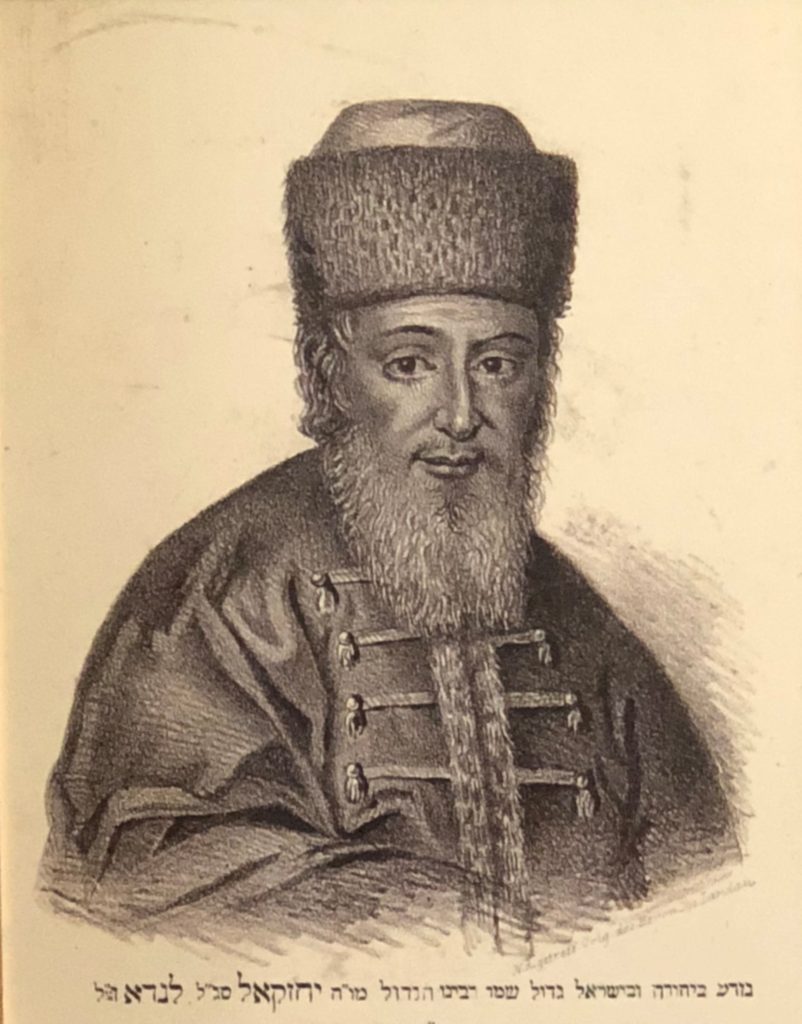
Rav Yechezkel HaLevi Landau of Prague zt"l

הרב יחזקאל בן יהודה לאנדא זצ"ל

Iyar 17 , 5553
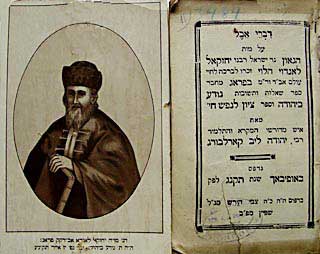
Known As: Noda B'Yehuda
Father's Name: Yehuda Landau


Rav Yechezkel HaLevi Landau of Prague zt"l

Rabbi Yechezkel Landau, the Rav of Prague, was known by the name of his book Noda B’Yehuda. During his time he was the source par excellence to whom people turned for practical advice, and even until today his name shines like a star in the firmament of Judaism.

The son of Rabbi Yehuda Levi, Rabbi Yechezkel Landau was born on Cheshvan 18, 5474 (1713) in Opatow, Poland. Up to the age of 13, he studied Torah with Rabbi Yitzchak Halevi of Ludmir, as well as with the Rav of the city, Rabbi Moshe Yaakov of Krakow, who greatly liked this young boy with a sharp mind. Together they discussed difficult problems posed by the Gemara.

At the age of 14, he went to the town of Brody and there he studied with very devoted young men. At the age of 18, he married a girl by the name Liebe, the daughter of Rabbi Yaakovka of Dubno, and went to live with his father-in-law there. Yet after a short time, he persuaded his father-in-law to come live in Brody, which was then a town filled with sages and scholars. There he was welcomed as one of the “Sages of Kloiz,” a famous Beit Midrash that included great Torah scholars.

In 5506 (1745), Rabbi Yechezkel became the Rav of Jampol. He stayed there for six years, and then he was called upon to be the Rav of Prague. There he directed a great yeshiva that attracted so many students that he was forced to study with them in the yard of the main synagogue. He gave courses in Gemara each day, and on Friday he taught the parsha of the week along with Rashi’s commentary. He loved his students like a father loves his children, and he was very happy to see them succeed. Among his students were such great rabbis as Rabbi Avraham Danzig (author of Chayei Odom) and others.

Rabbi Yechezkel had a fixed rule that, be it in Torah study or in his approach to Mussar, the main thing was not abstract study but action. It was not the discussion that counted, but the final conclusion. This is why he often comes back, in his responsum and lectures, to the point that the essential thing is not to deny oneself or fast, but to perform good deeds. On the other hand he wrote, “The main thing is diligence in study. One must study Torah works that have true meaning, mishnayos with Tosafos Yom Tom, the Gemara, the Poskim, the Chumash, Neviim and Kesuvim, as well as books on Mussar.”

All this, however, applied to others. With his own person, he was very strict and denied himself. His disciple Rabbi Eliezer Fleckles testifies that to his old age, he did not sleep in a bed, but rather with his head on a bed and his body on some chairs. He also wore a coarse haircloth on his body, and he taught while standing. From the 17th of Tammuz until the beginning of Av, he ate no animal products, and from Rosh Chodesh Av to Tisha B’Av, he only ate dry bread.

Like a shepherd faithful to his flock, Rabbi Yechezkel also devoted himself to the needs of the community. He enacted decrees, dealt with government ministers and emperors, and built up institutions that promoted tzeddakah and chesed. All aspects of Jewish life progressed in accord with his decisions.

Rabbi Yechezkel died on Iyar 17, 5553 (1793) in Prague. He ordered that neither praises nor orations be multiplied at his funeral, that a large headstone not be placed on his grave, and that no glorious titles be inscribed on it. He left numerous works behind, including Noda B’Yehuda, Hatzlacha (Tzion L’Nefesh Chaya) on the Talmud, Ahavat Tzion, and Dagul Mei’Revavah.

https://hevratpinto.org/tzadikim_eng/100_rabbi_yechezkel_landau.html

Stories of Rav Yechezkel HaLevi Landau of Prague zt"l

“He who increases charity increases peace (Avos 2:8).

Rav Ovadia Yosef used to illustrate our Mishna using the following story:

A winter storm raged outside one night as Rav Yechezkel Landau of Prague, author of the Noda B’Yehuda, sat and studied in his room when he  was startled by the sounds of loud weeping. He hurried outside to see what had happened and  found a small non-Jewish boy sitting on a rock shivering and crying in the rain. “What is the matter?” asked the rav. The boy explained, “I am orphaned from my mother-- and my father, the baker, remarried a cruel woman. My stepmother forces me to sell bread all day and collect the money.  I hand over the profits each night before I am allowed home to eat, drink, and rest. I sold all my bread and on the way home I realized that somehow I lost all the money! What shall I do?” the boy ended miserably, “If I go home, she will beat me mercilessly. So I stayed here, but it is cold and I am hungry.”

The Rav asked how much money he had lost and gave him the amount as a gift including a few coins to buy something to satiate his hunger.

About thirty years later, on Shevi’i Shel Pesach, there was a knock on Rav Landau’s door. He opened the door and a gentile man stood there with something on his mind. “I would like to disclose a secret to you which relates to a matter of life and death” he began. I remember your kindness from some many years before and will never forget how you saved me from my wicked stepmother’s wrath, fed me, and cared for me. I am here to repay you by saving your life and the lives of all of the Jews of Prague! There is a wicked priest who called all us bakers to a meeting and told us of a plot he devised. He urged us all to poison the loaves we bake after the holiday when the Jews come and purchase our bread. He promised us eternal reward and that all our sins would be absolved. Rabbi, I am here to warn you and save you and innocent Jews of Prague from his nefarious scheme!”

The Noda B’Yehuda thanked him and hatched a plan of his own. He proclaimed a warning in all the shuls of Prague: The Rav has forbidden any Jew in the city from buying the bread from the gentile bakers. All the Jews of Prague heeded the ruling and were saved! (Anaf Etz Avos p. 108)


Tehillim Leilui Nishmas Rav Yechezkel HaLevi Landau of Prague
ידֶיךָ עָשׂוּנִי וַיְכוֹנְנוּנִי הֲבִינֵנִי וְאֶלְמְדָה מִצְוֹתֶיךָ: יְרֵאֶיךָ יִרְאוּנִי וְיִשְׂמָחוּ כִּי לִדְבָרְךָ יִחָלְתִּי: יָדַעְתִּי יְהוָה כִּי צֶדֶק מִשְׁפָּטֶיךָ וֶאֱמוּנָה עִנִּיתָנִי: יְהִי נָא חַסְדְּךָ לְנַחֲמֵנִי כְּאִמְרָתְךָ לְעַבְדֶּךָ: יְבֹאוּנִי רַחֲמֶיךָ וְאֶחְיֶה כִּי תוֹרָתְךָ שַׁעֲשֻׁעָי: יֵבֹשׁוּ זֵדִים כִּי שֶׁקֶר עִוְּתוּנִי אֲנִי אָשִׂיחַ בְּפִקּוּדֶיךָ: יָשׁוּבוּ לִי יְרֵאֶיךָ (וידעו) וְיֹדְעֵי עֵדֹתֶיךָ: יְהִי לִבִּי תָמִים בְּחֻקֶּיךָ לְמַעַן לֹא אֵבוֹשׁ: כָּלְתָה לִתְשׁוּעָתְךָ נַפְשִׁי לִדְבָרְךָ יִחָלְתִּי:

חֶלְקִי יְהוָה אָמַרְתִּי לִשְׁמֹר דְּבָרֶיךָ: חִלִּיתִי פָנֶיךָ בְכָל לֵב חָנֵּנִי כְּאִמְרָתֶךָ: חִשַּׁבְתִּי דְרָכָי וָאָשִׁיבָה רַגְלַי אֶל עֵדֹתֶיךָ: חַשְׁתִּי וְלֹא הִתְמַהְמָהְתִּי לִשְׁמֹר מִצְוֹתֶיךָ: חֶבְלֵי רְשָׁעִים עִוְּדֻנִי תּוֹרָתְךָ לֹא שָׁכָחְתִּי: חֲצוֹת לַיְלָה אָקוּם לְהוֹדוֹת לָךְ עַל מִשְׁפְּטֵי צִדְקֶךָ: חָבֵר אָנִי לְכָל אֲשֶׁר יְרֵאוּךָ וּלְשֹׁמְרֵי פִּקּוּדֶיךָ: חַסְדְּךָ יְהוָה מָלְאָה הָאָרֶץ חֻקֶּיךָ לַמְּדֵנִי:

זְכֹר דָּבָר לְעַבְדֶּךָ עַל אֲשֶׁר יִחַלְתָּנִי: זֹאת נֶחָמָתִי בְעָנְיִי כִּי אִמְרָתְךָ חִיָּתְנִי: זֵדִים הֱלִיצֻנִי עַד מְאֹד מִתּוֹרָתְךָ לֹא נָטִיתִי: זָכַרְתִּי מִשְׁפָּטֶיךָ מֵעוֹלָם יְהוָה וָאֶתְנֶחָם: זַלְעָפָה אֲחָזַתְנִי מֵרְשָׁעִים עֹזְבֵי תּוֹרָתֶךָ: זְמִרוֹת הָיוּ לִי חֻקֶּיךָ בְּבֵית מְגוּרָי: זָכַרְתִּי בַלַּיְלָה שִׁמְךָ יְהוָה וָאֶשְׁמְרָה תּוֹרָתֶךָ: זֹאת הָיְתָה לִּי כִּי פִקֻּדֶיךָ נָצָרְתִּי:

קָרָאתִי בְכָל לֵב עֲנֵנִי יְהוָה חֻקֶּיךָ אֶצֹּרָה: קְרָאתִיךָ הוֹשִׁיעֵנִי וְאֶשְׁמְרָה עֵדֹתֶיךָ: קִדַּמְתִּי בַנֶּשֶׁף וָאֲשַׁוֵּעָה (לדבריך) לִדְבָרְךָ יִחָלְתִּי: קִדְּמוּ עֵינַי אַשְׁמֻרוֹת לָשִׂיחַ בְּאִמְרָתֶךָ: קוֹלִי שִׁמְעָה כְחַסְדֶּךָ יְהוָה כְּמִשְׁפָּטֶךָ חַיֵּנִי: קָרְבוּ רֹדְפֵי זִמָּה מִתּוֹרָתְךָ רָחָקוּ: קָרוֹב אַתָּה יְהוָה וְכָל מִצְוֹתֶיךָ אֱמֶת: קֶדֶם יָדַעְתִּי מֵעֵדֹתֶיךָ כִּי לְעוֹלָם יְסַדְתָּם:

אַשְׁרֵי תְמִימֵי דָרֶךְ הַהֹלְכִים בְּתוֹרַת יְהוָה: אַשְׁרֵי נֹצְרֵי עֵדֹתָיו בְּכָל לֵב יִדְרְשׁוּהוּ: אַף לֹא פָעֲלוּ עַוְלָה בִּדְרָכָיו הָלָכוּ: אַתָּה צִוִּיתָה פִקֻּדֶיךָ לִשְׁמֹר מְאֹד: אַחֲלַי יִכֹּנוּ דְרָכָי לִשְׁמֹר חֻקֶּיךָ: אָז לֹא אֵבוֹשׁ בְּהַבִּיטִי אֶל כָּל מִצְוֹתֶיךָ: אוֹדְךָ בְּיֹשֶׁר לֵבָב בְּלָמְדִי מִשְׁפְּטֵי צִדְקֶךָ: אֶת חֻקֶּיךָ אֶשְׁמֹר אַל תַּעַזְבֵנִי עַד מְאֹד:

לְעוֹלָם יְהוָה דְּבָרְךָ נִצָּב בַּשָּׁמָיִם: לְדֹר וָדֹר אֱמוּנָתֶךָ כּוֹנַנְתָּ אֶרֶץ וַתַּעֲמֹד: לְמִשְׁפָּטֶיךָ עָמְדוּ הַיּוֹם כִּי הַכֹּל עֲבָדֶיךָ: לוּלֵי תוֹרָתְךָ שַׁעֲשֻׁעָי אָז אָבַדְתִּי בְעָנְיִי: לְעוֹלָם לֹא אֶשְׁכַּח פִּקּוּדֶיךָ כִּי בָם חִיִּיתָנִי: לְךָ אֲנִי הוֹשִׁיעֵנִי כִּי פִקּוּדֶיךָ דָרָשְׁתִּי: לִי קִוּוּ רְשָׁעִים לְאַבְּדֵנִי עֵדֹתֶיךָ אֶתְבּוֹנָן: לְכָל תִּכְלָה רָאִיתִי קֵץ רְחָבָה מִצְוָתְךָ מְאֹד:


בַּמֶּה יְזַכֶּה נַּעַר אֶת אָרְחוֹ לִשְׁמֹר כִּדְבָרֶךָ: בְּכָל לִבִּי דְרַשְׁתִּיךָ אַל תַּשְׁגֵּנִי מִמִּצְוֹתֶיךָ: בְּלִבִּי צָפַנְתִּי אִמְרָתֶךָ לְמַעַן לֹא אֶחֱטָא לָךְ: בָּרוּךְ אַתָּה יְהוָה לַמְּדֵנִי חֻקֶּיךָ: בִּשְׂפָתַי סִפַּרְתִּי כֹּל מִשְׁפְּטֵי פִיךָ: בְּדֶרֶךְ עֵדְוֹתֶיךָ שַׂשְׂתִּי כְּעַל כָּל הוֹן: בְּפִקֻּדֶיךָ אָשִׂיחָה וְאַבִּיטָה אֹרְחֹתֶיךָ: בְּחֻקֹּתֶיךָ אֶשְׁתַּעֲשָׁע לֹא אֶשְׁכַּח דְּבָרֶךָ:

נֵר לְרַגְלִי דְבָרֶךָ וְאוֹר לִנְתִיבָתִי: נִשְׁבַּעְתִּי וָאֲקַיֵּמָה לִשְׁמֹר מִשְׁפְּטֵי צִדְקֶךָ: נַעֲנֵיתִי עַד מְאֹד יְהוָה חַיֵּנִי כִדְבָרֶךָ: נִדְבוֹת פִּי רְצֵה נָא יְהוָה וּמִשְׁפָּטֶיךָ לַמְּדֵנִי: נַפְשִׁי בְכַפִּי תָמִיד וְתוֹרָתְךָ לֹא שָׁכָחְתִּי: נָתְנוּ רְשָׁעִים פַּח לִי וּמִפִּקּוּדֶיךָ לֹא תָעִיתִי: נָחַלְתִּי עֵדְוֹתֶיךָ לְעוֹלָם כִּי שְׂשׂוֹן לִבִּי הֵמָּה: נָטִיתִי לִבִּי לַעֲשׂוֹת חֻקֶּיךָ לְעוֹלָם עֵקֶב:


ידֶיךָ עָשׂוּנִי וַיְכוֹנְנוּנִי הֲבִינֵנִי וְאֶלְמְדָה מִצְוֹתֶיךָ: יְרֵאֶיךָ יִרְאוּנִי וְיִשְׂמָחוּ כִּי לִדְבָרְךָ יִחָלְתִּי: יָדַעְתִּי יְהוָה כִּי צֶדֶק מִשְׁפָּטֶיךָ וֶאֱמוּנָה עִנִּיתָנִי: יְהִי נָא חַסְדְּךָ לְנַחֲמֵנִי כְּאִמְרָתְךָ לְעַבְדֶּךָ: יְבֹאוּנִי רַחֲמֶיךָ וְאֶחְיֶה כִּי תוֹרָתְךָ שַׁעֲשֻׁעָי: יֵבֹשׁוּ זֵדִים כִּי שֶׁקֶר עִוְּתוּנִי אֲנִי אָשִׂיחַ בְּפִקּוּדֶיךָ: יָשׁוּבוּ לִי יְרֵאֶיךָ (וידעו) וְיֹדְעֵי עֵדֹתֶיךָ: יְהִי לִבִּי תָמִים בְּחֻקֶּיךָ לְמַעַן לֹא אֵבוֹשׁ: כָּלְתָה לִתְשׁוּעָתְךָ נַפְשִׁי לִדְבָרְךָ יִחָלְתִּי:

הֲבִינֵנִי וְאֶצְּרָה תוֹרָתֶךָ וְאֶשְׁמְרֶנָּה בְכָל לֵב: הַדְרִיכֵנִי בִּנְתִיב מִצְוֹתֶיךָ כִּי בוֹ חָפָצְתִּי: הַט לִבִּי אֶל עֵדְוֹתֶיךָ וְאַל אֶל בָּצַע: הַעֲבֵר עֵינַי מֵרְאוֹת שָׁוְא בִּדְרָכֶךָ חַיֵּנִי: הָקֵם לְעַבְדְּךָ אִמְרָתֶךָ אֲשֶׁר לְיִרְאָתֶךָ: הַעֲבֵר חֶרְפָּתִי אֲשֶׁר יָגֹרְתִּי כִּי מִשְׁפָּטֶיךָ טוֹבִים: הִנֵּה תָּאַבְתִּי לְפִקֻּדֶיךָ בְּצִדְקָתְךָ חַיֵּנִי:

וִיבֹאֻנִי חֲסָדֶךָ יְהוָה תְּשׁוּעָתְךָ כְּאִמְרָתֶךָ: וְאֶעֱנֶה חֹרְפִי דָבָר כִּי בָטַחְתִּי בִּדְבָרֶךָ: וְאַל תַּצֵּל מִפִּי דְבַר אֱמֶת עַד מְאֹד כִּי לְמִשְׁפָּטֶךָ יִחָלְתִּי: וְאֶשְׁמְרָה תוֹרָתְךָ תָמִיד לְעוֹלָם וָעֶד: וְאֶתְהַלְּכָה בָרְחָבָה כִּי פִקֻּדֶיךָ דָרָשְׁתִּי: וַאֲדַבְּרָה בְעֵדֹתֶיךָ נֶגֶד מְלָכִים וְלֹא אֵבוֹשׁ: וְאֶשְׁתַּעֲשַׁע בְּמִצְוֹתֶיךָ אֲשֶׁר אָהָבְתִּי: וְאֶשָּׂא כַפַּי אֶל מִצְוֹתֶיךָ אֲשֶׁר אָהָבְתִּי וְאָשִׂיחָה בְחֻקֶּיךָ:

דָּבְקָה לֶעָפָר נַפְשִׁי חַיֵּנִי כִּדְבָרֶךָ: דְּרָכַי סִפַּרְתִּי וַתַּעֲנֵנִי לַמְּדֵנִי חֻקֶּיךָ: דֶּרֶךְ פִּקּוּדֶיךָ הֲבִינֵנִי וְאָשִׂיחָה בְּנִפְלְאוֹתֶיךָ: דָּלְפָה נַפְשִׁי מִתּוּגָה קַיְּמֵנִי כִּדְבָרֶךָ: דֶּרֶךְ שֶׁקֶר הָסֵר מִמֶּנִּי וְתוֹרָתְךָ חָנֵּנִי: דֶּרֶךְ אֱמוּנָה בָחָרְתִּי מִשְׁפָּטֶיךָ שִׁוִּיתִי: דָּבַקְתִּי בְעֵדְוֹתֶיךָ יְהוָה אַל תְּבִישֵׁנִי: דֶּרֶךְ מִצְוֹתֶיךָ אָרוּץ כִּי תַרְחִיב לִבִּי: הוֹרֵנִי יְהוָה דֶּרֶךְ חֻקֶּיךָ וְאֶצְּרֶנָּה עֵקֶב:

הֲבִינֵנִי וְאֶצְּרָה תוֹרָתֶךָ וְאֶשְׁמְרֶנָּה בְכָל לֵב: הַדְרִיכֵנִי בִּנְתִיב מִצְוֹתֶיךָ כִּי בוֹ חָפָצְתִּי: הַט לִבִּי אֶל עֵדְוֹתֶיךָ וְאַל אֶל בָּצַע: הַעֲבֵר עֵינַי מֵרְאוֹת שָׁוְא בִּדְרָכֶךָ חַיֵּנִי: הָקֵם לְעַבְדְּךָ אִמְרָתֶךָ אֲשֶׁר לְיִרְאָתֶךָ: הַעֲבֵר חֶרְפָּתִי אֲשֶׁר יָגֹרְתִּי כִּי מִשְׁפָּטֶיךָ טוֹבִים: הִנֵּה תָּאַבְתִּי לְפִקֻּדֶיךָ בְּצִדְקָתְךָ חַיֵּנִי:


נֵר לְרַגְלִי דְבָרֶךָ וְאוֹר לִנְתִיבָתִי: נִשְׁבַּעְתִּי וָאֲקַיֵּמָה לִשְׁמֹר מִשְׁפְּטֵי צִדְקֶךָ: נַעֲנֵיתִי עַד מְאֹד יְהוָה חַיֵּנִי כִדְבָרֶךָ: נִדְבוֹת פִּי רְצֵה נָא יְהוָה וּמִשְׁפָּטֶיךָ לַמְּדֵנִי: נַפְשִׁי בְכַפִּי תָמִיד וְתוֹרָתְךָ לֹא שָׁכָחְתִּי: נָתְנוּ רְשָׁעִים פַּח לִי וּמִפִּקּוּדֶיךָ לֹא תָעִיתִי: נָחַלְתִּי עֵדְוֹתֶיךָ לְעוֹלָם כִּי שְׂשׂוֹן לִבִּי הֵמָּה: נָטִיתִי לִבִּי לַעֲשׂוֹת חֻקֶּיךָ לְעוֹלָם עֵקֶב:

שָׂרִים רְדָפוּנִי חִנָּם (ומדבריך) וּמִדְּבָרְךָ פָּחַד לִבִּי: שָׂשׂ אָנֹכִי עַל אִמְרָתֶךָ כְּמוֹצֵא שָׁלָל רָב: שֶׁקֶר שָׂנֵאתִי וַאֲתַעֵבָה תּוֹרָתְךָ אָהָבְתִּי: שֶׁבַע בַּיּוֹם הִלַּלְתִּיךָ עַל מִשְׁפְּטֵי צִדְקֶךָ: שָׁלוֹם רָב לְאֹהֲבֵי תוֹרָתֶךָ וְאֵין לָמוֹ מִכְשׁוֹל: שִׂבַּרְתִּי לִישׁוּעָתְךָ יְהוָה וּמִצְוֹתֶיךָ עָשִׂיתִי: שָׁמְרָה נַפְשִׁי עֵדֹתֶיךָ וָאֹהֲבֵם מְאֹד: שָׁמַרְתִּי פִקּוּדֶיךָ וְעֵדֹתֶיךָ כִּי כָל דְּרָכַי נֶגְדֶּךָ:

מָה אָהַבְתִּי תוֹרָתֶךָ כָּל הַיּוֹם הִיא שִׂיחָתִי: מֵאֹיְבַי תְּחַכְּמֵנִי מִצְוֹתֶךָ כִּי לְעוֹלָם הִיא לִי: מִכָּל מְלַמְּדַי הִשְׂכַּלְתִּי כִּי עֵדְוֹתֶיךָ שִׂיחָה לִֿי: מִזְּקֵנִים אֶתְבּוֹנָן כִּי פִקּוּדֶיךָ נָצָרְתִּי: מִכָּל אֹרַח רָע כָּלִאתִי רַגְלָי לְמַעַן אֶשְׁמֹר דְּבָרֶךָ: מִמִּשְׁפָּטֶיךָ לֹא סָרְתִּי כִּי אַתָּה הוֹרֵתָנִי: מַה נִּמְלְצוּ לְחִכִּי אִמְרָתֶךָ מִדְּבַשׁ לְפִי: מִפִּקּוּדֶיךָ אֶתְבּוֹנָן עַל כֵּן שָׂנֵאתִי כָּל אֹרַח שָׁקֶר:

הֲבִינֵנִי וְאֶצְּרָה תוֹרָתֶךָ וְאֶשְׁמְרֶנָּה בְכָל לֵב: הַדְרִיכֵנִי בִּנְתִיב מִצְוֹתֶיךָ כִּי בוֹ חָפָצְתִּי: הַט לִבִּי אֶל עֵדְוֹתֶיךָ וְאַל אֶל בָּצַע: הַעֲבֵר עֵינַי מֵרְאוֹת שָׁוְא בִּדְרָכֶךָ חַיֵּנִי: הָקֵם לְעַבְדְּךָ אִמְרָתֶךָ אֲשֶׁר לְיִרְאָתֶךָ: הַעֲבֵר חֶרְפָּתִי אֲשֶׁר יָגֹרְתִּי כִּי מִשְׁפָּטֶיךָ טוֹבִים: הִנֵּה תָּאַבְתִּי לְפִקֻּדֶיךָ בְּצִדְקָתְךָ חַיֵּנִי:

Sign In

Register

Reset Password

Please enter your username or email address, you will receive a link to create a new password via email.