לצפיה באתר בעברית

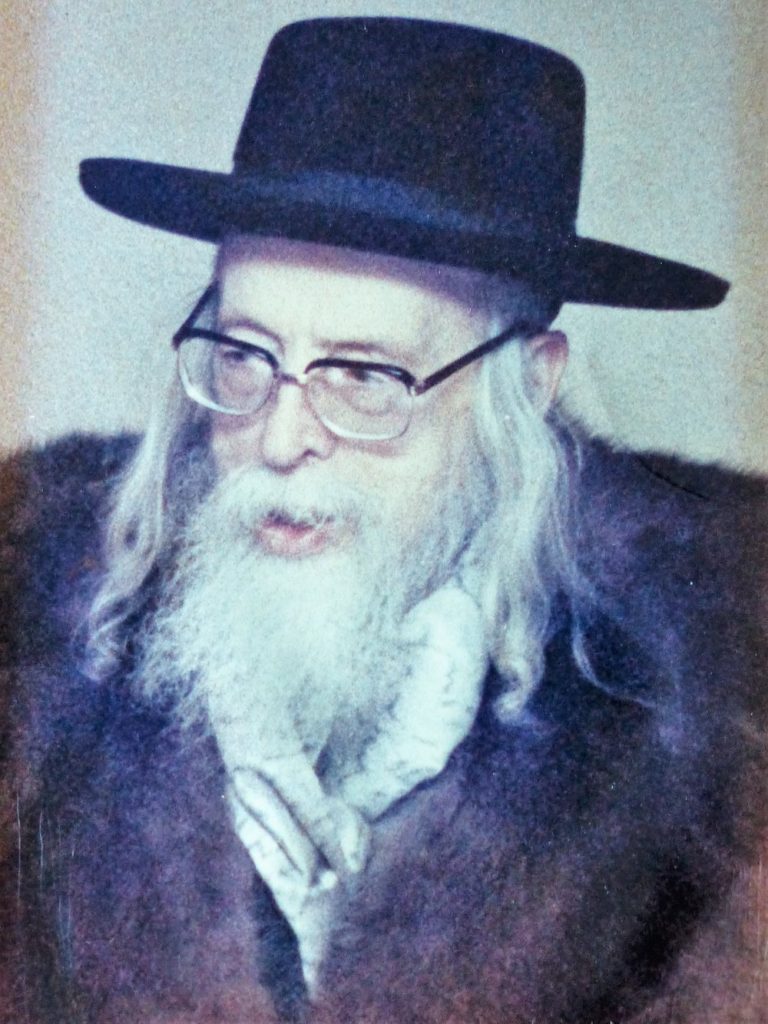
Rav Yaakov Leizer zt"l

הרב יעקב בן דוד יצחק לייזער זצ"ל

Cheshvan 27 , 5759
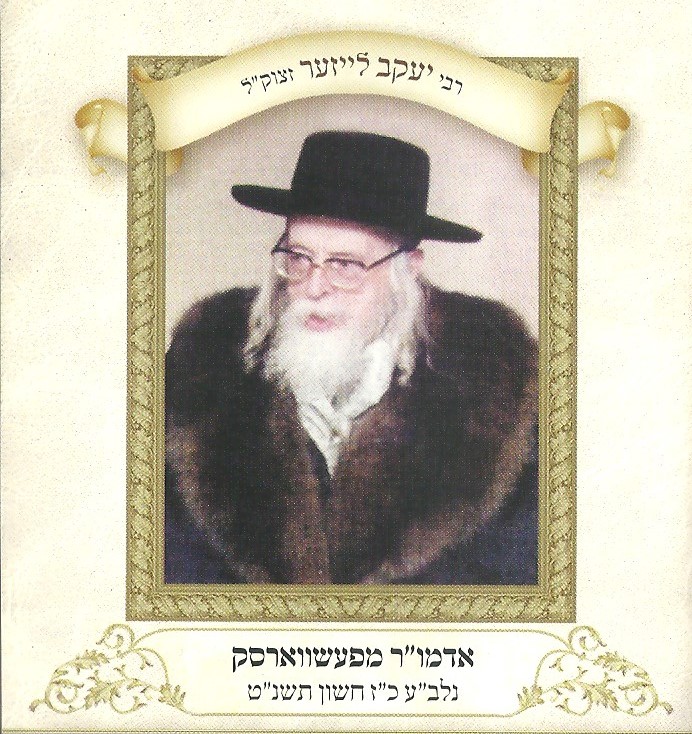
Known As: Pshevorsker Rebbe, Reb Yankele
Father's Name: Dovid Yitzchok Leizer


Rav Yaakov Leizer zt"l

Rav Yaakov Leizer, the Pshevorsker Rebbe, also known as Reb Yankele of Antwerp, was born in Galicia, and became a follower of the Koloshitzer Rebbe, Rav Chuna Halberstam, in 1926. He and his family were shipped to Siberia until the end of World War II. After the war, he traveled to America, Paris and Antwerp.


Stories of Rav Yaakov Leizer zt"l

Once, when Rav Yaakov Leizer was seated at a simcha, he was approached by a Chassid asking that the Tzaddik daven for his wife, that she should have an easy birth since she was having a difficult labor. However, the Pshervorsker did something wondrous: he glanced at his watch and stated, “Mazal Tov! She has already given birth to a baby boy!” When Rav Reich asked the Rebbe if he was not afraid of ayin hara in displaying such overt ruach hakodesh, Rav Yaakov Leizer answered him, “We need to demonstrate the power of Torah in this world to others.” (Sichasan Shel Avdei Avos Vol. II)

Rav Shlomo Yeshaya Yaakobovitch related that he was once busy Erev Shabbos heating up the water for the men's mikve so the Chassidim could purify themselves on Shabbos morning. Rav Yaakov Leizer was adamant that the mikve be hot so that the Chassidim would use it and toivel themselves.

Once, a Yid came to Reb Yankele with his son before Rosh HaShana with a kvittel. After reading the kvittel, Reb Yankele remarked strangely that he wouldn’t want to be in this Yid’s shoes. He then proceeded to give special attention to the boy. He asked the boy to sit next to him and stroked his face and cried.

After the Yid became alarmed and the gabbo’im heard the remark, they insisted that the Rebbe bensch this Yid and his child with a special berocha. After a while, Reb Yankele said that Hashem will help and all will eventually be good. Then, inexplicably, the Rebbe lightly slapped the boy’s right thigh and added, “The leg too.”

After Rosh HaShana, tests revealed that the child had leukemia r”l. After extensive chemotherapy and numerous miracles along the way, the child recovered. Once, while in the middle of a chemotherapy cycle, the doctors determined that the marrow in the boy’s right leg was not healing properly and they advised an aggressive form of treatment that might lead to amputation. However, this Yid remembered the Rebbe’s extra berocha of “the leg too” – and asked the doctors to take the lesser form of treatment, even though the doctors did not hold out too much hope for that course.

Tzaddik gozer…… After a short while, the leg healed completely without the aggressive form of treatment. The doctors were truly amazed and pronounced that this came directly through a miracle.

Rav Yaakov Leiser of Peshervorsk writes, “The following was related to me by my father-in-law on motzaei Shabbos on the 20th of Teves: ‘I once heard the following tale about Rav Simcha Yissacher Ber of Cheshunov’:

“It was a cold winter night when the following request was made by his two brothers-in-law, the Maharam Pristker and Maharn Vizhnitzer: ‘Please, make an exception to your rigorous schedule, we need your rooms. We have nowhere else to go for melave malka since the stove broke down and the rooms are bitterly cold. How can you turn away all the disappointed chassidim?”

They stood pleading opposite the resolute figure of the Divrei Simcha of Cheshonuv, son of the Shinuver Rav. At the time of this episode, the Divrei Simcha was just a young bachur. But he did have his own room, one with a warm stove heating it. Finally, the Divrei Simcha relented and, to his brothers-in-laws’ delight, he agreed.

Every motzaei Shabbos of that winter, the melave malka took place in the Divrei Simcha’s room. On one such night, he had a dream. His saintly mother, the tzadekes Chava Rachel, appeared in a vision. “My son, my precious child, you have been saved! Know that a decree of a terrible disease is descending now over the world; however, agreeing to allow your brothers-in-law and the chassidim as your guests to conduct melave malka, brought the merit which cancelled the decree and kept you alive!”

The next morning, he related the dream to his father, the Divrei Yechezkel. That summer one of the chassidim did indeed fall sick and the dream’s power became evident. As soon as the Divrei Yechezkel turned his gaze towards his son, the Cheshunover, the sickness departed and the chassid recovered fully.”

‘Well, well,’ the Peshervorkser rebbe said, concluding his tale, “It does seem like up in Heaven, they do consider melave malka as something quite important!” (based on Siach Yitzchok Peshervorsk p. 52)

Rav Pomerantz, Rav Yaakov’s gabbai, related how a friend once asked him to relay a kvittel with a petition for help to the Rebbe, and the gabbai somehow forgot. This scenario repeated itself over and over, till the gabbai was very much embarrassed when his friend questioned him as to why he had not yet delivered the requested kvittel. Finally, the gabbai remembered, but this was at night when he was alone in the Rebbe’s room and the Rebbe had already lain himself down to sleep. What should he do now? To wake the Tzaddik was out of the question. Just then he had an idea. Quietly, he slipped the kvittel beneath the Rebbe’s pillow, and whispered the request in the sleeping Rebbe’s ear .

The next day the gabbai received a phone call from his overjoyed friend. “Thank you for delivering the kvittel to the Rebbe!”

Astounded, he asked, “How did you know?”

“Boruch Hashem, my wife has healed completely and she is well!” (Sichoson Shel Avdei Avos page 291)


Tehillim Leilui Nishmas Rav Yaakov Leizer
ידֶיךָ עָשׂוּנִי וַיְכוֹנְנוּנִי הֲבִינֵנִי וְאֶלְמְדָה מִצְוֹתֶיךָ: יְרֵאֶיךָ יִרְאוּנִי וְיִשְׂמָחוּ כִּי לִדְבָרְךָ יִחָלְתִּי: יָדַעְתִּי יְהוָה כִּי צֶדֶק מִשְׁפָּטֶיךָ וֶאֱמוּנָה עִנִּיתָנִי: יְהִי נָא חַסְדְּךָ לְנַחֲמֵנִי כְּאִמְרָתְךָ לְעַבְדֶּךָ: יְבֹאוּנִי רַחֲמֶיךָ וְאֶחְיֶה כִּי תוֹרָתְךָ שַׁעֲשֻׁעָי: יֵבֹשׁוּ זֵדִים כִּי שֶׁקֶר עִוְּתוּנִי אֲנִי אָשִׂיחַ בְּפִקּוּדֶיךָ: יָשׁוּבוּ לִי יְרֵאֶיךָ (וידעו) וְיֹדְעֵי עֵדֹתֶיךָ: יְהִי לִבִּי תָמִים בְּחֻקֶּיךָ לְמַעַן לֹא אֵבוֹשׁ: כָּלְתָה לִתְשׁוּעָתְךָ נַפְשִׁי לִדְבָרְךָ יִחָלְתִּי:

עָשִׂיתִי מִשְׁפָּט וָצֶדֶק בַּל תַּנִּיחֵנִי לְעֹשְׁקָי: עֲרֹב עַבְדְּךָ לְטוֹב אַל יַעַשְׁקֻנִי זֵדִים: עֵינַי כָּלוּ לִישׁוּעָתֶךָ וּלְאִמְרַת צִדְקֶךָ: עֲשֵׂה עִם עַבְדְּךָ כְחַסְדֶּךָ וְחֻקֶּיךָ לַמְּדֵנִי: עַבְדְּךָ אָנִי הֲבִינֵנִי וְאֵדְעָה עֵדֹתֶיךָ: עֵת לַעֲשׂוֹת לַיהוָה הֵפֵרוּ תּוֹרָתֶךָ: עַל כֵּן אָהַבְתִּי מִצְוֹתֶיךָ מִזָּהָב וּמִפָּז: עַל כֵּן כָּל פִּקּוּדֵי כֹל יִשָּׁרְתִּי כָּל אֹרַח שֶׁקֶר שָׂנֵאתִי:

קָרָאתִי בְכָל לֵב עֲנֵנִי יְהוָה חֻקֶּיךָ אֶצֹּרָה: קְרָאתִיךָ הוֹשִׁיעֵנִי וְאֶשְׁמְרָה עֵדֹתֶיךָ: קִדַּמְתִּי בַנֶּשֶׁף וָאֲשַׁוֵּעָה (לדבריך) לִדְבָרְךָ יִחָלְתִּי: קִדְּמוּ עֵינַי אַשְׁמֻרוֹת לָשִׂיחַ בְּאִמְרָתֶךָ: קוֹלִי שִׁמְעָה כְחַסְדֶּךָ יְהוָה כְּמִשְׁפָּטֶךָ חַיֵּנִי: קָרְבוּ רֹדְפֵי זִמָּה מִתּוֹרָתְךָ רָחָקוּ: קָרוֹב אַתָּה יְהוָה וְכָל מִצְוֹתֶיךָ אֱמֶת: קֶדֶם יָדַעְתִּי מֵעֵדֹתֶיךָ כִּי לְעוֹלָם יְסַדְתָּם:

בַּמֶּה יְזַכֶּה נַּעַר אֶת אָרְחוֹ לִשְׁמֹר כִּדְבָרֶךָ: בְּכָל לִבִּי דְרַשְׁתִּיךָ אַל תַּשְׁגֵּנִי מִמִּצְוֹתֶיךָ: בְּלִבִּי צָפַנְתִּי אִמְרָתֶךָ לְמַעַן לֹא אֶחֱטָא לָךְ: בָּרוּךְ אַתָּה יְהוָה לַמְּדֵנִי חֻקֶּיךָ: בִּשְׂפָתַי סִפַּרְתִּי כֹּל מִשְׁפְּטֵי פִיךָ: בְּדֶרֶךְ עֵדְוֹתֶיךָ שַׂשְׂתִּי כְּעַל כָּל הוֹן: בְּפִקֻּדֶיךָ אָשִׂיחָה וְאַבִּיטָה אֹרְחֹתֶיךָ: בְּחֻקֹּתֶיךָ אֶשְׁתַּעֲשָׁע לֹא אֶשְׁכַּח דְּבָרֶךָ:


בַּמֶּה יְזַכֶּה נַּעַר אֶת אָרְחוֹ לִשְׁמֹר כִּדְבָרֶךָ: בְּכָל לִבִּי דְרַשְׁתִּיךָ אַל תַּשְׁגֵּנִי מִמִּצְוֹתֶיךָ: בְּלִבִּי צָפַנְתִּי אִמְרָתֶךָ לְמַעַן לֹא אֶחֱטָא לָךְ: בָּרוּךְ אַתָּה יְהוָה לַמְּדֵנִי חֻקֶּיךָ: בִּשְׂפָתַי סִפַּרְתִּי כֹּל מִשְׁפְּטֵי פִיךָ: בְּדֶרֶךְ עֵדְוֹתֶיךָ שַׂשְׂתִּי כְּעַל כָּל הוֹן: בְּפִקֻּדֶיךָ אָשִׂיחָה וְאַבִּיטָה אֹרְחֹתֶיךָ: בְּחֻקֹּתֶיךָ אֶשְׁתַּעֲשָׁע לֹא אֶשְׁכַּח דְּבָרֶךָ:

נֵר לְרַגְלִי דְבָרֶךָ וְאוֹר לִנְתִיבָתִי: נִשְׁבַּעְתִּי וָאֲקַיֵּמָה לִשְׁמֹר מִשְׁפְּטֵי צִדְקֶךָ: נַעֲנֵיתִי עַד מְאֹד יְהוָה חַיֵּנִי כִדְבָרֶךָ: נִדְבוֹת פִּי רְצֵה נָא יְהוָה וּמִשְׁפָּטֶיךָ לַמְּדֵנִי: נַפְשִׁי בְכַפִּי תָמִיד וְתוֹרָתְךָ לֹא שָׁכָחְתִּי: נָתְנוּ רְשָׁעִים פַּח לִי וּמִפִּקּוּדֶיךָ לֹא תָעִיתִי: נָחַלְתִּי עֵדְוֹתֶיךָ לְעוֹלָם כִּי שְׂשׂוֹן לִבִּי הֵמָּה: נָטִיתִי לִבִּי לַעֲשׂוֹת חֻקֶּיךָ לְעוֹלָם עֵקֶב:


דָּבְקָה לֶעָפָר נַפְשִׁי חַיֵּנִי כִּדְבָרֶךָ: דְּרָכַי סִפַּרְתִּי וַתַּעֲנֵנִי לַמְּדֵנִי חֻקֶּיךָ: דֶּרֶךְ פִּקּוּדֶיךָ הֲבִינֵנִי וְאָשִׂיחָה בְּנִפְלְאוֹתֶיךָ: דָּלְפָה נַפְשִׁי מִתּוּגָה קַיְּמֵנִי כִּדְבָרֶךָ: דֶּרֶךְ שֶׁקֶר הָסֵר מִמֶּנִּי וְתוֹרָתְךָ חָנֵּנִי: דֶּרֶךְ אֱמוּנָה בָחָרְתִּי מִשְׁפָּטֶיךָ שִׁוִּיתִי: דָּבַקְתִּי בְעֵדְוֹתֶיךָ יְהוָה אַל תְּבִישֵׁנִי: דֶּרֶךְ מִצְוֹתֶיךָ אָרוּץ כִּי תַרְחִיב לִבִּי: הוֹרֵנִי יְהוָה דֶּרֶךְ חֻקֶּיךָ וְאֶצְּרֶנָּה עֵקֶב:

וִיבֹאֻנִי חֲסָדֶךָ יְהוָה תְּשׁוּעָתְךָ כְּאִמְרָתֶךָ: וְאֶעֱנֶה חֹרְפִי דָבָר כִּי בָטַחְתִּי בִּדְבָרֶךָ: וְאַל תַּצֵּל מִפִּי דְבַר אֱמֶת עַד מְאֹד כִּי לְמִשְׁפָּטֶךָ יִחָלְתִּי: וְאֶשְׁמְרָה תוֹרָתְךָ תָמִיד לְעוֹלָם וָעֶד: וְאֶתְהַלְּכָה בָרְחָבָה כִּי פִקֻּדֶיךָ דָרָשְׁתִּי: וַאֲדַבְּרָה בְעֵדֹתֶיךָ נֶגֶד מְלָכִים וְלֹא אֵבוֹשׁ: וְאֶשְׁתַּעֲשַׁע בְּמִצְוֹתֶיךָ אֲשֶׁר אָהָבְתִּי: וְאֶשָּׂא כַפַּי אֶל מִצְוֹתֶיךָ אֲשֶׁר אָהָבְתִּי וְאָשִׂיחָה בְחֻקֶּיךָ:

דָּבְקָה לֶעָפָר נַפְשִׁי חַיֵּנִי כִּדְבָרֶךָ: דְּרָכַי סִפַּרְתִּי וַתַּעֲנֵנִי לַמְּדֵנִי חֻקֶּיךָ: דֶּרֶךְ פִּקּוּדֶיךָ הֲבִינֵנִי וְאָשִׂיחָה בְּנִפְלְאוֹתֶיךָ: דָּלְפָה נַפְשִׁי מִתּוּגָה קַיְּמֵנִי כִּדְבָרֶךָ: דֶּרֶךְ שֶׁקֶר הָסֵר מִמֶּנִּי וְתוֹרָתְךָ חָנֵּנִי: דֶּרֶךְ אֱמוּנָה בָחָרְתִּי מִשְׁפָּטֶיךָ שִׁוִּיתִי: דָּבַקְתִּי בְעֵדְוֹתֶיךָ יְהוָה אַל תְּבִישֵׁנִי: דֶּרֶךְ מִצְוֹתֶיךָ אָרוּץ כִּי תַרְחִיב לִבִּי: הוֹרֵנִי יְהוָה דֶּרֶךְ חֻקֶּיךָ וְאֶצְּרֶנָּה עֵקֶב:


ידֶיךָ עָשׂוּנִי וַיְכוֹנְנוּנִי הֲבִינֵנִי וְאֶלְמְדָה מִצְוֹתֶיךָ: יְרֵאֶיךָ יִרְאוּנִי וְיִשְׂמָחוּ כִּי לִדְבָרְךָ יִחָלְתִּי: יָדַעְתִּי יְהוָה כִּי צֶדֶק מִשְׁפָּטֶיךָ וֶאֱמוּנָה עִנִּיתָנִי: יְהִי נָא חַסְדְּךָ לְנַחֲמֵנִי כְּאִמְרָתְךָ לְעַבְדֶּךָ: יְבֹאוּנִי רַחֲמֶיךָ וְאֶחְיֶה כִּי תוֹרָתְךָ שַׁעֲשֻׁעָי: יֵבֹשׁוּ זֵדִים כִּי שֶׁקֶר עִוְּתוּנִי אֲנִי אָשִׂיחַ בְּפִקּוּדֶיךָ: יָשׁוּבוּ לִי יְרֵאֶיךָ (וידעו) וְיֹדְעֵי עֵדֹתֶיךָ: יְהִי לִבִּי תָמִים בְּחֻקֶּיךָ לְמַעַן לֹא אֵבוֹשׁ: כָּלְתָה לִתְשׁוּעָתְךָ נַפְשִׁי לִדְבָרְךָ יִחָלְתִּי:

צַ דִּיק אַתָּה יְהוָה וְיָשָׁר מִשְׁפָּטֶיךָ: קלח צִוִּיתָ צֶדֶק עֵדֹתֶיךָ וֶאֱמוּנָה מְאֹד: צִמְּתַתְנִי קִנְאָתִי כִּי שָׁכְחוּ דְבָרֶיךָ צָרָי: צְרוּפָה אִמְרָתְךָ מְאֹד וְעַבְדְּךָ אֲהֵבָהּ: צָעִיר אָנֹכִי וְנִבְזֶה פִּקֻּדֶיךָ לֹא שָׁכָחְתִּי: צִדְקָתְךָ צֶדֶק לְעוֹלָם וְתוֹרָתְךָ אֱמֶת: צַר וּמָצוֹק מְצָאוּנִי מִצְוֹתֶיךָ שַׁעֲשֻׁעָי: צֶדֶק עֵדְוֹתֶיךָ לְעוֹלָם הֲבִינֵנִי וְאֶחְיֶה:

חֶלְקִי יְהוָה אָמַרְתִּי לִשְׁמֹר דְּבָרֶיךָ: חִלִּיתִי פָנֶיךָ בְכָל לֵב חָנֵּנִי כְּאִמְרָתֶךָ: חִשַּׁבְתִּי דְרָכָי וָאָשִׁיבָה רַגְלַי אֶל עֵדֹתֶיךָ: חַשְׁתִּי וְלֹא הִתְמַהְמָהְתִּי לִשְׁמֹר מִצְוֹתֶיךָ: חֶבְלֵי רְשָׁעִים עִוְּדֻנִי תּוֹרָתְךָ לֹא שָׁכָחְתִּי: חֲצוֹת לַיְלָה אָקוּם לְהוֹדוֹת לָךְ עַל מִשְׁפְּטֵי צִדְקֶךָ: חָבֵר אָנִי לְכָל אֲשֶׁר יְרֵאוּךָ וּלְשֹׁמְרֵי פִּקּוּדֶיךָ: חַסְדְּךָ יְהוָה מָלְאָה הָאָרֶץ חֻקֶּיךָ לַמְּדֵנִי:

קָרָאתִי בְכָל לֵב עֲנֵנִי יְהוָה חֻקֶּיךָ אֶצֹּרָה: קְרָאתִיךָ הוֹשִׁיעֵנִי וְאֶשְׁמְרָה עֵדֹתֶיךָ: קִדַּמְתִּי בַנֶּשֶׁף וָאֲשַׁוֵּעָה (לדבריך) לִדְבָרְךָ יִחָלְתִּי: קִדְּמוּ עֵינַי אַשְׁמֻרוֹת לָשִׂיחַ בְּאִמְרָתֶךָ: קוֹלִי שִׁמְעָה כְחַסְדֶּךָ יְהוָה כְּמִשְׁפָּטֶךָ חַיֵּנִי: קָרְבוּ רֹדְפֵי זִמָּה מִתּוֹרָתְךָ רָחָקוּ: קָרוֹב אַתָּה יְהוָה וְכָל מִצְוֹתֶיךָ אֱמֶת: קֶדֶם יָדַעְתִּי מֵעֵדֹתֶיךָ כִּי לְעוֹלָם יְסַדְתָּם:


נֵר לְרַגְלִי דְבָרֶךָ וְאוֹר לִנְתִיבָתִי: נִשְׁבַּעְתִּי וָאֲקַיֵּמָה לִשְׁמֹר מִשְׁפְּטֵי צִדְקֶךָ: נַעֲנֵיתִי עַד מְאֹד יְהוָה חַיֵּנִי כִדְבָרֶךָ: נִדְבוֹת פִּי רְצֵה נָא יְהוָה וּמִשְׁפָּטֶיךָ לַמְּדֵנִי: נַפְשִׁי בְכַפִּי תָמִיד וְתוֹרָתְךָ לֹא שָׁכָחְתִּי: נָתְנוּ רְשָׁעִים פַּח לִי וּמִפִּקּוּדֶיךָ לֹא תָעִיתִי: נָחַלְתִּי עֵדְוֹתֶיךָ לְעוֹלָם כִּי שְׂשׂוֹן לִבִּי הֵמָּה: נָטִיתִי לִבִּי לַעֲשׂוֹת חֻקֶּיךָ לְעוֹלָם עֵקֶב:

שָׂרִים רְדָפוּנִי חִנָּם (ומדבריך) וּמִדְּבָרְךָ פָּחַד לִבִּי: שָׂשׂ אָנֹכִי עַל אִמְרָתֶךָ כְּמוֹצֵא שָׁלָל רָב: שֶׁקֶר שָׂנֵאתִי וַאֲתַעֵבָה תּוֹרָתְךָ אָהָבְתִּי: שֶׁבַע בַּיּוֹם הִלַּלְתִּיךָ עַל מִשְׁפְּטֵי צִדְקֶךָ: שָׁלוֹם רָב לְאֹהֲבֵי תוֹרָתֶךָ וְאֵין לָמוֹ מִכְשׁוֹל: שִׂבַּרְתִּי לִישׁוּעָתְךָ יְהוָה וּמִצְוֹתֶיךָ עָשִׂיתִי: שָׁמְרָה נַפְשִׁי עֵדֹתֶיךָ וָאֹהֲבֵם מְאֹד: שָׁמַרְתִּי פִקּוּדֶיךָ וְעֵדֹתֶיךָ כִּי כָל דְּרָכַי נֶגְדֶּךָ:

מָה אָהַבְתִּי תוֹרָתֶךָ כָּל הַיּוֹם הִיא שִׂיחָתִי: מֵאֹיְבַי תְּחַכְּמֵנִי מִצְוֹתֶךָ כִּי לְעוֹלָם הִיא לִי: מִכָּל מְלַמְּדַי הִשְׂכַּלְתִּי כִּי עֵדְוֹתֶיךָ שִׂיחָה לִֿי: מִזְּקֵנִים אֶתְבּוֹנָן כִּי פִקּוּדֶיךָ נָצָרְתִּי: מִכָּל אֹרַח רָע כָּלִאתִי רַגְלָי לְמַעַן אֶשְׁמֹר דְּבָרֶךָ: מִמִּשְׁפָּטֶיךָ לֹא סָרְתִּי כִּי אַתָּה הוֹרֵתָנִי: מַה נִּמְלְצוּ לְחִכִּי אִמְרָתֶךָ מִדְּבַשׁ לְפִי: מִפִּקּוּדֶיךָ אֶתְבּוֹנָן עַל כֵּן שָׂנֵאתִי כָּל אֹרַח שָׁקֶר:

הֲבִינֵנִי וְאֶצְּרָה תוֹרָתֶךָ וְאֶשְׁמְרֶנָּה בְכָל לֵב: הַדְרִיכֵנִי בִּנְתִיב מִצְוֹתֶיךָ כִּי בוֹ חָפָצְתִּי: הַט לִבִּי אֶל עֵדְוֹתֶיךָ וְאַל אֶל בָּצַע: הַעֲבֵר עֵינַי מֵרְאוֹת שָׁוְא בִּדְרָכֶךָ חַיֵּנִי: הָקֵם לְעַבְדְּךָ אִמְרָתֶךָ אֲשֶׁר לְיִרְאָתֶךָ: הַעֲבֵר חֶרְפָּתִי אֲשֶׁר יָגֹרְתִּי כִּי מִשְׁפָּטֶיךָ טוֹבִים: הִנֵּה תָּאַבְתִּי לְפִקֻּדֶיךָ בְּצִדְקָתְךָ חַיֵּנִי:

Sign In

Register

Reset Password

Please enter your username or email address, you will receive a link to create a new password via email.