
Rav Levi Yitzchok Derbarimdiger zt"l
הרב לוי יצחק בן מאיר דרבארעימדיגר זצ"ל
Tishrei 25 , 5570
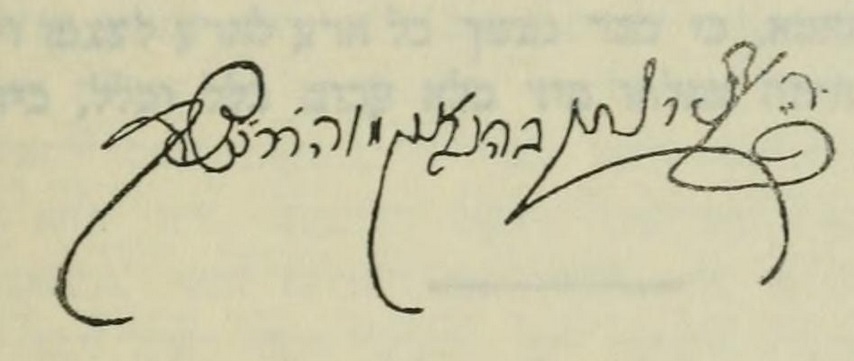
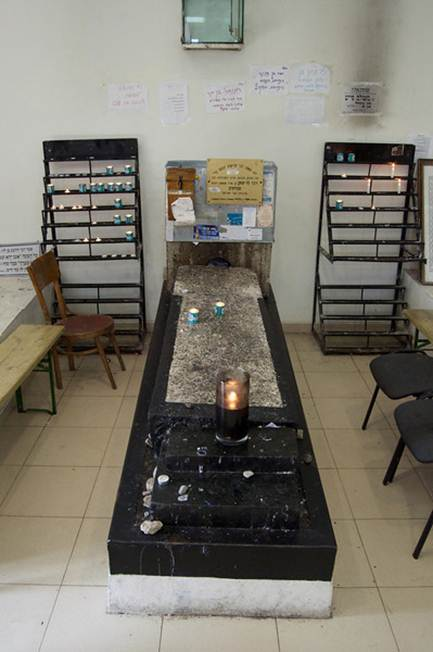
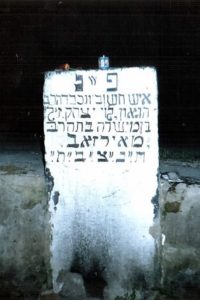
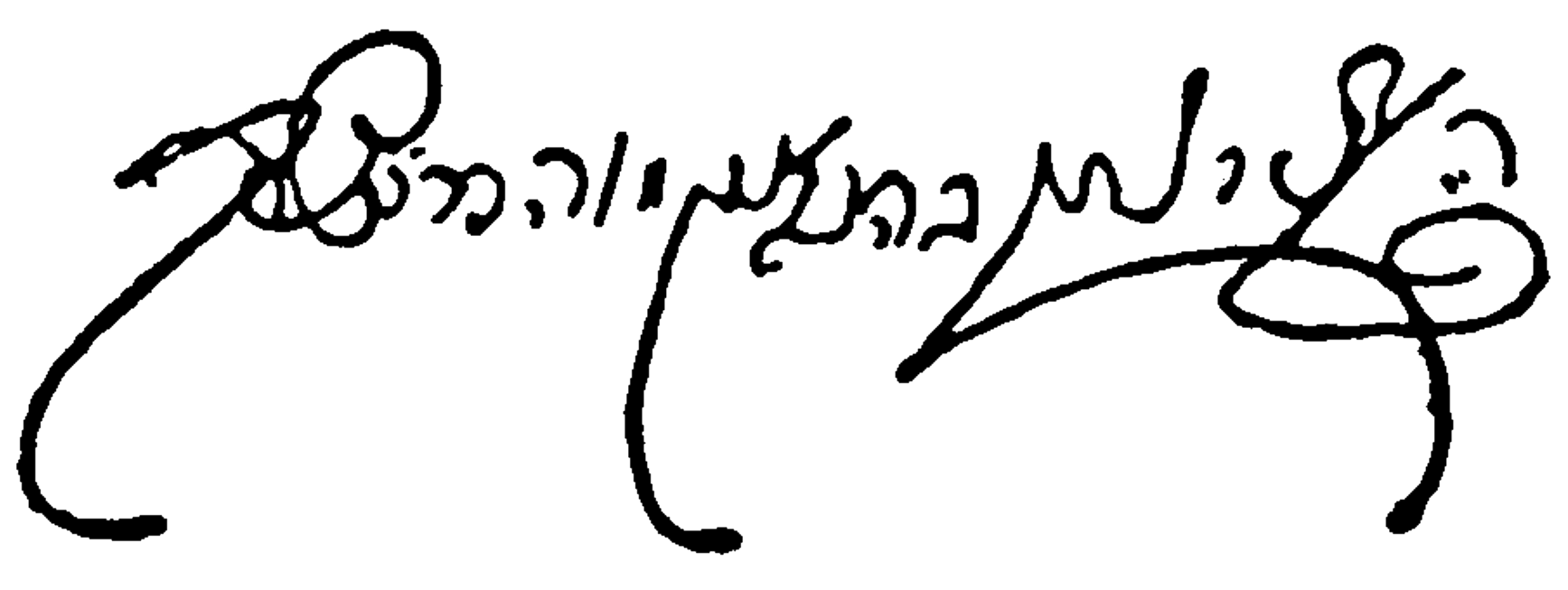
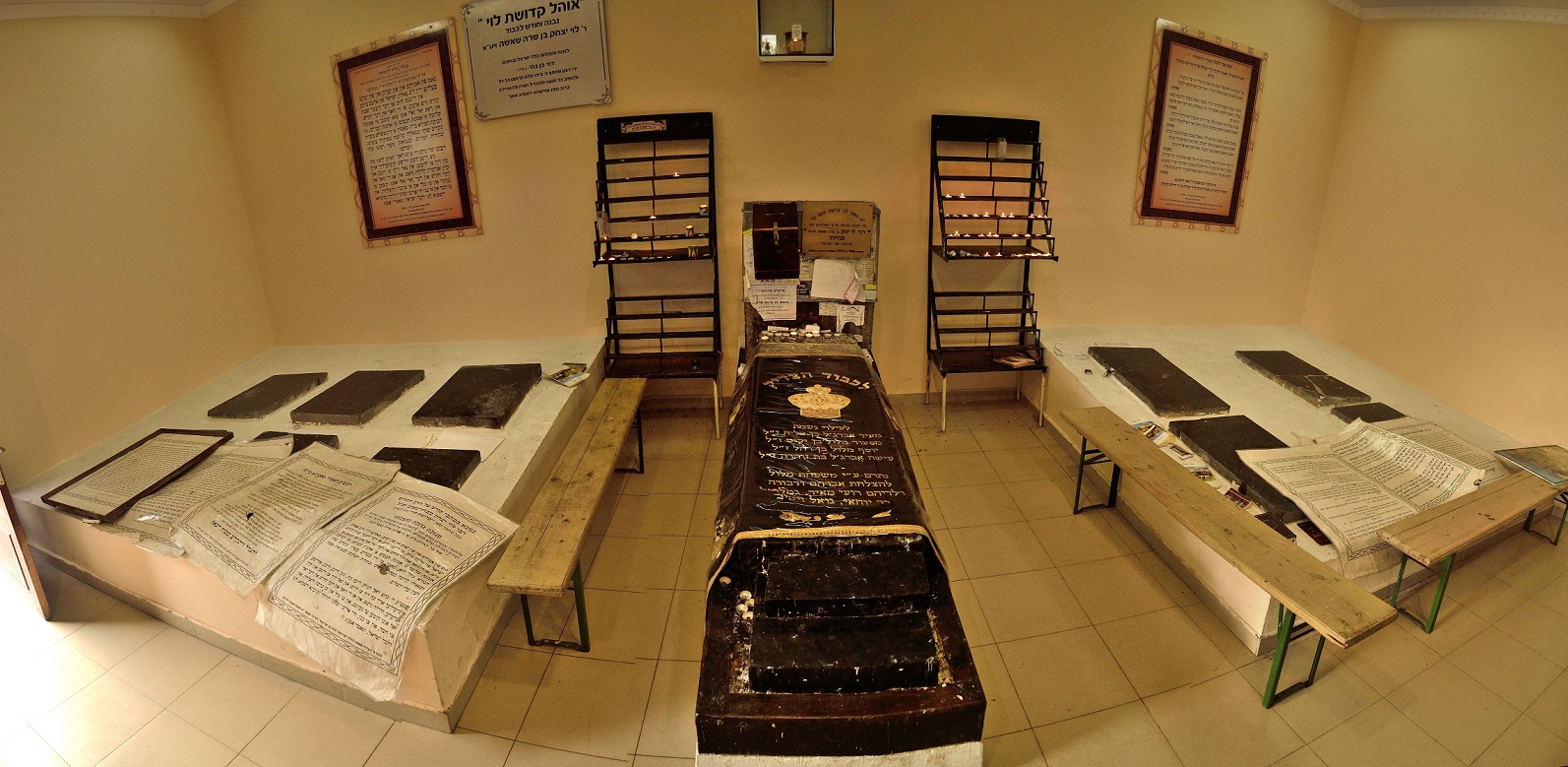
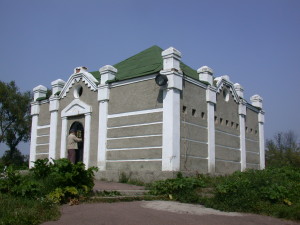
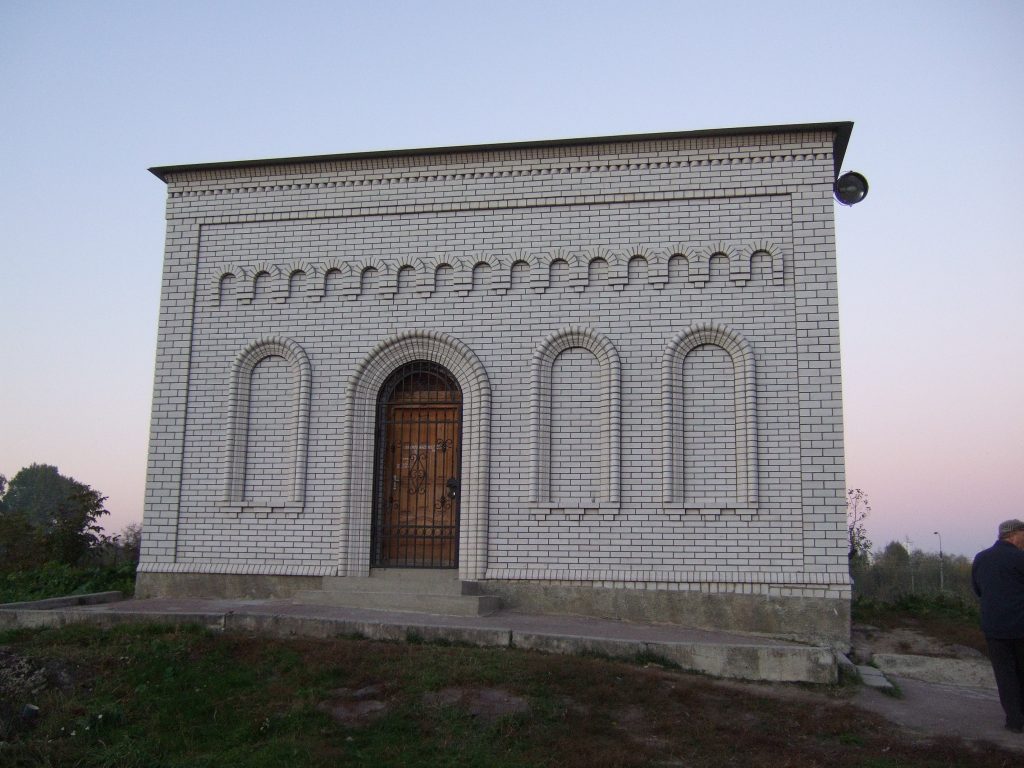
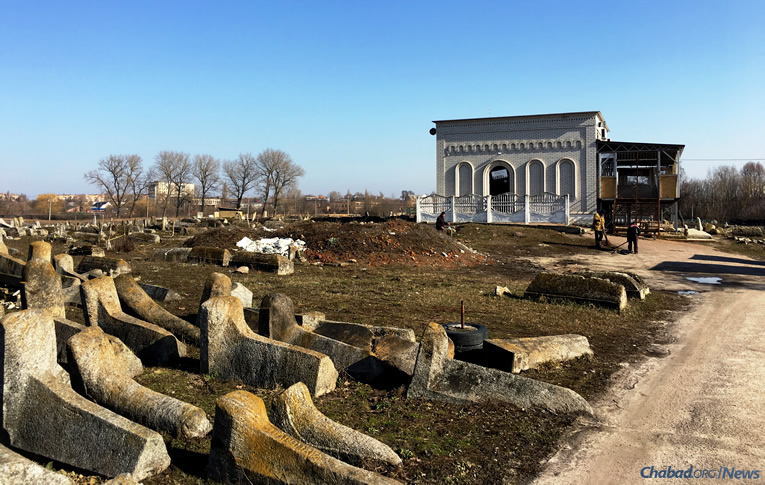
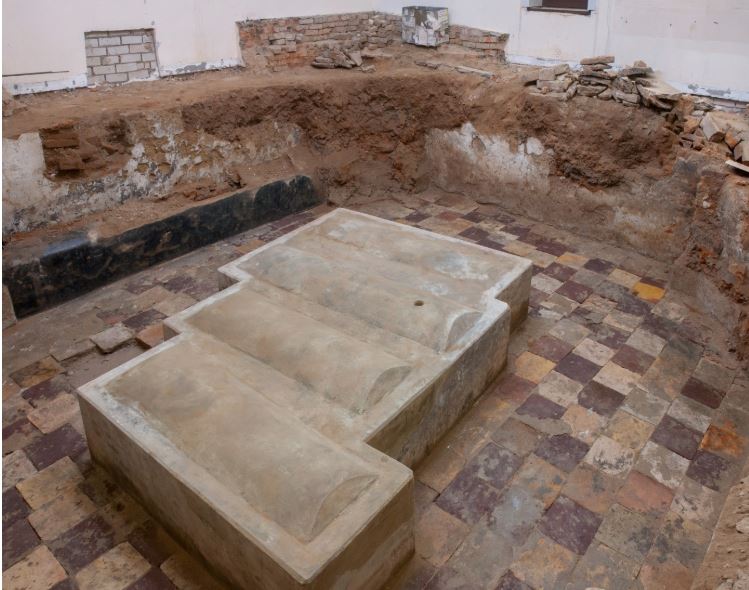
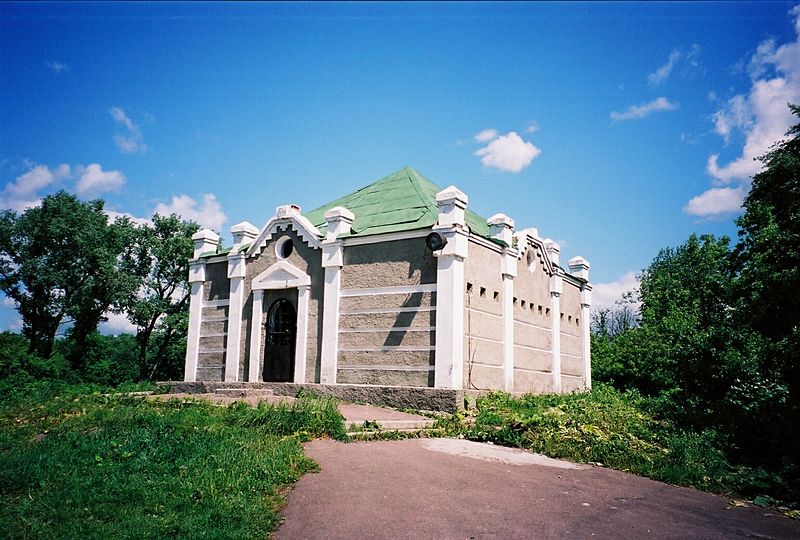
Rav Levi Yitzchok Derbarimdiger zt"l
At the suggestion of his mentor, Rebbe Reb Shmelke of Nikolsburg, Rav Levi Yitzchok traveled to Mezritch and became a close talmid of the Maggid of Mezritch. Following posts at Zelichov and Pinsk, he spent the last twenty-five years of his life in Berditchev. His teachings are contained in the posthumously published Kedushas Levi. He is traditionally mentioned with his mother’s name, Sora Sosha.
Stories of Rav Levi Yitzchok Derbarimdiger zt"l

One year, as the holy days of Rosh HaShana drew near, Rav Levi Yitzchok sensed that a terrible decree against the people of Berditchev was about to be issued in Heaven. Perhaps it was because the insidious spirit of reform and modernity was seeping into the city, threatening to undermine the devotion of the people to Hashem and the ancient traditions. Perhaps it was for some other reason. Be that as it may, an ominous cloud was gathering over the city of Berditchev while the people continued as before, oblivious to the danger.
Rav Levi Yitzchok, the perennial advocate for the Jewish people before the Heavenly Court, took it upon himself not to rest until the decree was annulled. He assembled the people of the city and exhorted them to reaffirm their commitment to the ways of the Torah. His fiery words inspired the people, and they dedicated themselves with renewed fervor to the Torah, each according to his or her level, devoting more time and effort to learning, giving more and larger donations to charity, doing more acts of kindness or concentrating more in the performance of the mitzvos.
On the first night of Selichos, just days before Rosh HaShana, the people gathered in the shul at midnight. Rav Levi Yitzchok stood before holy Aron (ark), ready to begin, but he was overcome with a feeling of unease. He sensed that despite all his efforts, despite all his protestations to Hashem that the people had earned a reprieve, he had not been successful in rescinding the harsh decree. The sword still hung over the heads of the people. Something had to be done.
Rav Levi Yitzchok asked his gabbai (his personal attendant) to fetch his coat. They were going for a walk.
Together, they walked through the deserted streets of Berditchev under a moonless sky made even murkier by a thick cloud cover. Silent houses loomed in the darkness, the windows shuttered against the autumn chill.
“Where are we going?” asked the gabbai.
“I don’t know,” said Rav Levi Yitzchok. “We will know when we get there.”
They continued in silence, crisscrossing the city of Berditchev until the illuminated windows of the shul were nothing more than a glow in the distance. From time to time, Rav Levi Yitzchok would pause near a house for a moment –and then he would shake his head and continue walking.
Finally, they came to a small hut at the very edge of the city. The hut was silent and dark with no sign of habitation.
“This is the place,” said Rav Levi Yitzchok. “I feel a warm glow from within. Knock on the door.”
The gabbai put his hand on the door. Despite the Rebbe’s detection of a warm glow, it was cold to the touch. The gabbai rapped on the door with his knuckles, and after a few long moments, they heard shuffling from within. The door opened, and a wizened old woman stared up at them in puzzlement.
“Is that you, Rebbe?” she asked, clutching at her throat.
“May we come in?” said Rav Levi Yitzchok.
“Please … I’m sorry that I have nothing to offer you.”
“Don’t trouble yourself. We just want to talk.”
The interior of the hut was bathed in long shadows cast by the tiny flame of a candle. A Tehillim lay open right near the candle with minuscule droplets of wax hardening on the worn pages. The old woman offered her guests two stools, while she sat down on a rough bench beside the oven.
She took one look at Rav Levi Yitzchok and burst into tears.
“Why are you crying?” he asked.
“Because I am so ashamed.”
“Ashamed? Why should you be ashamed?”
“Because I am a sinner,” she said. “I have concealed my sin all these years, but now you have discovered it and came to my door. My secret has been revealed, and so has my shame. I am ready to receive your rebuke, because I deserve it. But I beg of you, please help me. Tell me, Rebbe, what do I have to do to atone for my sin?”
“What is your sin?” asked Rav Levi Yitzchok. “Tell me, and I will try to help you.”
“My story begins,” she began, “when I was six years old. Both my parents passed away that year, and I was left an orphan, all alone. My mother’s sister took me into her home. My uncle and aunt were kind to me. They leased a kretchma, a tavern, from the local poritz, the nobleman who owned the land. My uncle would serve whiskey and beer to the peasants who came into the tavern, while my aunt cleaned and cooked. My job was to help my aunt with the household chores. I was forbidden to step foot into the tavern, which was usually filled with drunkards and rogues. This went on for a number of years. This is how I grew up. Life was fine, I suppose.
“When I was fourteen, however, my aunt broke the rule for the first time. I don’t remember exactly why she needed money so desperately, but she did – and she sent me to the tavern to get some from my uncle. I had never been in a tavern before, and the sight shocked me. Some men were sitting at tables drinking and singing nasty songs, while others were staggering back and forth among the tables, hoisting tankards of ale to each other.
“I saw my uncle on the far side of the tavern and I made my way across the room to him. As I passed one of the tables, a drunkard reached out and touched my hair. I screamed and ran away, but he grabbed a lock of my hair and yanked it loose. I was beside myself with shock and shame.”
The old woman wept as she recalled that day in the tavern.
“My hair was my pride and joy,” she continued, “as it is for any girl of fourteen. I took a pair of scissors and cut off all my hair, and I pleaded with Hashem to forgive me and wipe away my sin. I knew I couldn’t look my aunt and uncle in the face anymore, so I left them a note that I was going away, and in the middle of the night, I stole away and went to the next town. I worked for a while as a maid in the homes of wealthy families, and then I met and married my husband, a simple Jew and a good man. He passed away a few months ago for no apparent reason. He wasn’t sick. He didn’t have an accident. He simply died one day, just like that, and I think it is because of my sin. Hashem is punishing me.”
The old woman looked at Rav Levi Yitzchok with abject pleading in her eyes.
“And now you’ve found me out, Rebbe,” she said. “So help me. Please help me wipe away this sin once and for all. Rosh HaShana is coming. Everyone is repenting and being forgiven. Maybe you can slip me in among them so that I too can be forgiven.”
“Tell me,” said Rav Levi Yitzchok, “what did you do with the hair you cut off on that day? Did you keep it?”
“Not all of it,” she said. “But I did keep one lock of it to remind me of my sin at all times.”
“Please give it to me,” he said.
The old woman stood up and shuffled over to a cupboard in the shadowy corner of the room. She opened the bottom drawer and took out a small cardboard box, which she handed to Rav Levi Yitzchok.
“You have no need to cry anymore,” he said. “You bear no guilt, and you have no responsibility for the death of your husband. It was not your fault. Hashem has accepted your tears and your tefillos. You will be blessed with a sweet new year.”
He stood and turned to his gabbai.
“Come, let us return to the shul,” he said. “We have what we need.”
When they returned, they found the shul packed with restless and curious people. It was very late, and they had still not begun the Selichos. And Rav Levi Yitzchok was nowhere to be found. His sudden entrance caused quite a stir as all eyes followed him to the front, seeking a clue to his mysterious departure and reappearance.
Rav Levi Yitzchok put on his tallis and stepped up to the holy Aron. He threw open the doors and placed the old woman’s cardboard box inside.
“Master of the Universe,” he cried out, “is there another nation as holy as Your own Jewish people? I came here straight from the simple home of a simple Jewish widow. When she was fourteen years old, an orphan living with her uncle and aunt, she had to go into a tavern to see her uncle, and the vile hands of a drunkard touched her hair. A fleeting touch, for she immediately fled. It was not her fault. She was completely innocent. Yet she has suffered feelings of guilt for all these years, because she was afraid that somehow she had allowed herself to be defiled. She has cried rivers of tears and poured out her heart to You with innumerable supplications. She even blamed her husband’s untimely petira on her supposed sin. And what does she want? Only that You, her Father in heaven, should accept her repentance and forgive her.”
He took the box containing the lock of the old woman’s hair and held it aloft. “Master of the Universe,” he cried out, “who else is like Your people Yisrael? Don’t they deserve Your compassion and forgiveness?”
Then holding the box in his hand, confident that the harsh decree had been averted, he started to say the Selichos.
Rav Levi Yitzchok of Berditchev is most famous for being one of the greatest of the early Chassidic masters, an extraordinary Tzaddik aflame with love for Hashem and His people. At the same time, he was an outstanding Gaon who served as the Rav and head of the rabbinical court in the city with which he is associated. He did not, however, take the post of Rav of Berditchev until 1785, when he was forty-five years old. Before that, he was Rav in several other cities, the first of which was Ryczywohl. The illustrious Rav Schmelke of Nikolsburg had been the Rav of Ryczywohl before being invited to serve as Rav of Nikolsburg. When he left, he was succeeded by his brilliant talmid, Rav Levi Yitzchok, who was only twenty-one years old.
Rav Levi Yitzchok came to be a talmid of Rav Schmelke because of a dream he had. After his marriage to his wife Perel, Rav Levi Yitzchok lived in the home of his wealthy father-in-law Rav Yisrael Peretz in the city of Levertov. Rav Levi Yitzchok did not feel that Levertov was the place for him. He yearned to study in the Yeshiva of Rav Schmelke, but his father-in-law insisted that he remain in Levertov. At that time, Levertov was a bright star in the Torah galaxy. Among its illustrious Talmidei Chachomim were Rav Yosef Thumim, the author of Pri Megodim, and Rav Yissochor Ber of Zlotchov, the author of Mevaser Tzedek and Bas Eini. What better place could there be for a young Torah prodigy such as Rav Levi Yitzchok than Levertov?
As time went on, Rav Levi Yitzchok’s discontent manifested itself in his physical appearance.
“Why do you look so drawn?” his father-in-law asked him.
“Every night I dream,” he said, “that I must go study with Rav Schmelke.”
“Very well. If your heart is so set on it, then you must go.”
Rav Levi Yitzchok became one of the star talmidim that Rav Schmelke brought to the holy Rebbe Rav Ber, the Maggid of Mezeritch and successor to the Ba’al Shem Tov as leader of the Chassidic movement. The others were Rav Yisrael, who later became the Maggid of Kozhnitz, and Rav Yaakov Yitzchok, who later became known as the Chozeh of Lublin.
There was another young prodigy living in Ryczywohl at the time Rav Levi Yitzchok became its Rav. His name was Rav Uziel Meisels, and he was the future author of Kerem Shlomo, Tiferes Uziel and Eitz HaDaas Tov. Recently married, he was living in the home of his wealthy father-in-law while he was learning Torah.
Rav Levi Yitzchok was a fiery Chassid of the Maggid of Mezeritch and emulated his ways. When he prayed or made berochos, his body trembled uncontrollably, and he would cry out at the top of his lungs in an ecstasy of devotion. Rav Uziel was not accustomed to this kind of behavior. It offended his sensibilities, and he disapproved. Since he was wealthy and learned, he felt no need to conceal his distaste for Rav Levi Yitzchok’s behavior, even though Rav Levi Yitzchok was the Rav of the city.
The first time Rav Uziel attended one of Rav Levi Yitzchok’s deroshos, he sat quietly among the people with his hands folded in his lap, listening to the Rav’s words with intense concentration. Rav Levi Yitzchok began by posing a number of sharp and perplexing questions regarding a difficult sugya. Then he rigorously proved one point after another with numerous citations and seemingly impeccable logic, laying foundation upon foundation until he had built a stunning intellectual edifice and resolved all the questions and difficulties in one sweeping revelation of the true meaning of the sugya.
Those among the audience who were able to follow the intricacies of Rav Levi Yitzchok’s reasoning were awed by his insight and genius. Rav Uziel, however, was not so impressed. He pointed out an inconsistency in Rav Levi Yitzchok’s reasoning, whereby the entire edifice collapsed. Rav Levi Yitzchok listened quietly. Then he nodded his head and walked away. Rav Uziel felt it was his duty to expose the Rav’s flaws, and he was pleased that he had done so. In the course of the next few months, this scenario repeated itself several times. Rav Levi Yitzchok would deliver a dazzling derosha, and Rav Uziel would dismember it with a few surgical arguments and questions.
One time, Rav Uziel had occasion to travel to a distant town, and his father-in-law placed his carriage drawn by three fine horses and his coachman at his disposal. As he traveled along the road in plush comfort, he noticed a Jewish man with a bundle slung over his shoulder trudging along the roadside. Rav Uziel ordered his coachman to stop the carriage.
“Sholom Aleichem,” he called out to the traveler.
“Aleichem sholom,” the man replied.
“Where are you going?” asked Rav Uziel. “Perhaps I can give you a lift. Why should you tire yourself out going on foot when you can ride in comfort with me?”
“I am going to Mezeritch,” said the man.
“Perfect. We will be passing that town, and it will be my pleasure to take you to your destination.”
The man smiled. “Thank you so much. I will gladly take you up on your offer.”
Rav Uziel helped the man into the carriage. Then he gave the signal to his coachman, and they continued on their way.
Rav Uziel extended his hand. “My name is Uziel Meisels. And what is yours?”
“I am Elimelech. You can call me Meilech.”
“You look like a Talmid Chochom, Rav Meilech. I would love to hear some words of Torah from you.”
Rav Meilech shook his head. “It is true that I try to learn a little bit, but I can see that you are the one who is the Talmid Chochom. And you are obviously wealthy. Torah and greatness in one place! No, Rav Uziel, it is you who should be saying words of Torah.”
“Well, perhaps later. By the way, Rav Meilech, where are you from?”
“I’m from Lizhensk.”
“Lizhensk? You are certainly a long way from home. And you’re going to Mezeritch?”
“Yes.”
“Very interesting. Why are you going to Mezeritch? What business do you have there?”
“That is where my Rebbe is. I am going to learn Torah from him.”
“And who is your Rebbe?”
Rav Meilech’s face lit up. “The Rebbe Rav Ber, the holy Maggid of Mezeritch.”
Rav Uziel stroked his beard and knitted his brows. “You are not a young boy any more, Rav Meilech, and I can see just by looking at you that you’re a real Talmid Chochom in your own right. Why then must you travel so far to learn Torah? Is he such a genius? Does he have what no one else possesses?”
“My Rebbe’s greatness in Torah has no bounds. The entire world is open before him, and when he speaks, I catch glimpses of the ultimate truth of the universe.”
Rav Uziel was intrigued. “If he is indeed so great, I would like to meet him and see his greatness for myself. Do you think I could come with you to Mezeritch? Would he meet me?”
“I’m sure he would,” said Rav Meilech.
When they reached Mezeritch, Rav Uziel alighted from the carriage together with Rav Meilech. He instructed his coachmen to stable the horses and get him a room at the inn. Then he walked together with Rav Meilech to the house of the Maggid of Mezeritch.
The attendant who opened the door solemnly shook their hands. He nodded familiarly to Rav Meilech and asked both of them to wait. It would be a few minutes before the Maggid could see them. Other than that, they did not speak. The attendant did not ask who Rav Uziel was. As they waited, Rav Uziel saw that Rav Meilech grew more excited by the minute, and he too felt his breath quicken with anticipation.
Finally, the door opened, and they were shown into the Maggid’s presence. Rav Uziel took one look at the Maggid’s face, alight with a spiritual glow such he had never seen before, and he shrank back.
“Now, whom should I greet first?” said the Maggid. “Should it be you, Meilech, because you are a Talmid Chochom? But our guest is also a Talmid Chochom, and a wealthy man besides. Perhaps I should greet him first.” He closed his eyes and mulled over this question for a moment. Then he looked up. “Sholom aleichem, Meilech! Sholom aleichem, Rav Uziel!”
Rav Uziel was so flabbergasted that it took him a moment to gather his wits and respond. How could the Maggid, who had never laid eyes on him, know his name?
“Aleichem sholom,” he finally managed to say.
“Where are you from, Rav Uziel?” said the Maggid.
“Ryczywohl.”
“Ah, Ryczywohl. So you know my talmid Rav Levi Yitzchok.”
“Yes, I do.”
“What do you say to his brilliance and vast knowledge? He is an amazing genius. Wouldn’t you agree?”
Rav Uziel did not want to contradict the Maggid, but he felt compelled to answer honestly. He cleared his throat and took a deep breath.
“Actually,” he said, “I am not very impressed with him.”
The Maggid lifted his eyebrows. “And why would you say that?”
“Because on a number of occasions I’ve pointed out errors and inconsistencies in his derashos, and each time, he nodded his head and retracted.”
“Indeed?” said the Maggid. “I would like to hear more about this. Do you happen to recall any of these derashos that you refuted?”
“Yes, I do.”
“Good. Then tell me what he said and also the errors you pointed out.”
Rav Uziel had a phenomenal memory, and he was able to repeat several of Rav Levi Yitzchok’s derashos almost word for word. Then he posed the arguments whereby he had forced Rav Levi Yitzchok to retract his words.
“Very well,” said the Maggid when he was finished. “I want you to listen closely while I explain to you what Rav Levi Yitzchok said and meant, and you will see that there was no basis at all for the objections you raised.”
The Maggid patiently explained what Rav Levi Yitzchok had said, and as he spoke, and as the structure of the argument was reconstructed with great clarity, all the objections were shown to be baseless. Rav Uziel suddenly realized that this was exactly what Rav Levi Yitzchok had intended – that it was he who had misunderstood. He found it deeply disturbing that he should have missed the essential points of the derashos when the logic was so clear. And at the same time, he was overcome with amazement at the genius of the Maggid before whose eyes, it seemed, the entire Torah, the revealed and the hidden, lay open like a book.
“Rebbe, you are the light of Yisrael!” he cried out. “I am so grateful that I now see the truth in Rav Levi Yitzchok’s words. It is so clear now, that I cannot imagine how I did not see it before. But I don’t understand why he retracted. Why didn’t he just answer my questions?”
“He certainly could have done that,” said the Maggid. “But he does not care about his own honor, and he didn’t want to humiliate you.”
As soon as he left the room, Rav Uziel sent the carriage and coachman back with a message to his family that he would be staying in Mezeritch for an extended time. He had found the wellspring of Torah from which he would drink for the rest of his life.
The Passing of the Berditchever
There is a tradition from the Maggid of Petriva and Rav Yisrael of Vizhnitz that Rav Levi Yitzchok passed away right after Sukkos. They related that the Berditchever grew weak after Yom Kippur, and his condition was life-threatening. He davened that he might live a little longer so that he would merit to fulfill the mitzva of waving the four species, which he yearned and waited for all year long. His tefillos were answered and he lived until Isru Chag (the day after Sukkos). He passed away on the night of the twenty-fifth of Tishrei.
When news spread of his passing, one of the Chassidim of Rav Boruch of Mezhibuzh rushed to tell his Rebbe. Rav Boruch was known to criticize Rav Levi Yitzchok’s ways, and the Chassid thought he was bringing “good” news. Instead, Rav Boruch practically fainted and began to cry and wail in distress.
He admonished the harbinger of such terrible news. “Don’t think that when I spoke against Rav Levi Yitzchok I did so in order to diminish his stature or blemish his honor! Rav Levi Yitzchok rose to the loftiest levels, to the highest spiritual realms above that of even the ministering angels, and I was afraid they would harm him in their jealousy. Therefore I used trickery and guile to hide my intentions and pretended to belittle and mock his holy ways to silence their jealous accusations.”
When Rav Nachman of Breslov talked about the passing of Rav Levi Yitzchok, he said, “Even the average individual should feel the loss of a Tzaddik such as Rav Levi Yitzchok. Everyone now feels that there is something lacking in the world. There is a depressed mood everywhere. One might feel it in his business, which no longer runs as smoothly as before. Another might feel it in his bones, which somehow seem displaced. If your eyes are truly open, you will see that the world has become dark, for a great light has been extinguished in the world. A great candle’s light has been snuffed out and the world has filled with a great darkness.”
“The Berditchever said before he passed away that when he arrived in the next world he would not rest nor give any other Tzaddik respite until he succeeded in bringing Moshiach.” Thus spoke Rav Avrohom Yehoshua Heschel of Apta and Mezhibuzh on the day he left this world. Before he passed away, the Apter Rav cried and wailed about our bitter exile. Why does Moshiach ben Yishai tarry so long? That is when he mentioned the Berditchever’s promise. “However,” he concluded, “when he ascended on high, they showed him such lofty spiritual levels and engaged him in such magnificent supernal chambers that he grew distracted and forgot his mission.
“I, however, will not forget!”
Sources:
Toldos Kedushas Levi (Munkacz) 8:103; see also Sichos HaRan 196.
Toldos Kedushas Levi (Munkacz) 8:108; Eser Oros 3:22.
Toldos Kedushas Levi (Munkacz) 8:105; see also Sichos HaRan 196.
Otzar HaSippurim, vol. 18, p. 25.
When Rav Levi Yitzchok came to Berditchev he asked if anyone still remembered the great and holy Rav Leiber who was once there in Berditchev who had had a mikve. One of the elders spoke up that he remembered from when he was sixteen – he even remembered where the mikve was and he showed the Rav. Rav Levi Yitzchok asked them to dig there in that place; they dug but there was not enough water. They continued digging until they hit water, but it was so shallow that it only reached their knees.
Rav Levi Yitzchok then asked if there were any other elders who might remember the shamash who used to clean the shul and who was found hanged (or, based on another tradition, burned)? They found another elder and he remembered the shamash who was at the time an elder himself who had hanged (or burned) himself. The Berditchever went together with the elders to the place where the mikve had been dug, not far from where Rav Leiber was buried, disrobed and placed one foot in the mikve and began to explain.
Rav Leiber was the Rav before Rav Levi Yitzchok in Berditchev. He came to Rav Levi Yitzchok in a dream, telling him: “The shamash of the shul was a simple and pious individual who was greatly involved in serving Hashem. So much so that one Erev Shabbos while he was busy kindling the large candelabrum that hung as a chandelier from the shul’s ceiling, he asked Hashem, ‘Master of the World! What can I give to You? What can I do for You? I will give myself to You!’ And he hanged himself (or burned himself) mistakenly for the sake of Heaven. Since the shamash sinned by committing suicide, his soul knows no peace in the higher worlds.”
“However,” said Rav Levi Yitzchok, “since his intentions were lofty, for the sake of Hashem, there is an opportunity to rectify his soul. Rav Leiber explained to me that the only way to rectify the shamash’s soul is for me to immerse myself in Rav Lieber’s mikve not far from his tziun.”
And then the elder was able to see the departed soul of the shamash whom he recognized, standing there. Rav Levi Yitzchok turned to the soul of the shamash and said, “If you can help me get enough water to immerse I will be able to rectify you.” As soon as Rav Levi Yitzchok entered the pit, the mikve filled with enough water to immerse. (Another tradition says that as soon as they dug there was enough water, but it kept refilling with the dug earth and mud, until Rav Levi Yitzchok entered the pit and then it filled with water).
Rav Levi Yitzchok then said, “Why should this shamash be considered guilty? Everything he did was really solely for Hashem!” So saying, he immersed and rectified the shamash’s soul.
(Based on Kisvei Rav Yoshe #1 page 120, Siach Sarfei Kodesh (Breslov) Vol III #614).
Rav Yitzchok Neshchizer related one Shabbos during the month of Menachem Av how the holy Rav Araleh (Aharon) of Zhitomir was originally a talmid of the Vilna Gaon. However, that path was unacceptable to his heart. He heard that in Zelichov there was a certain Rav Levi Yitzchok who ran a Yeshiva there. (The Berditchever was still Rav in Zelichov at the time).
Rav Araleh visited his Yeshiva, and there the Berditchever saw him from far away, five seats away from him, and did not even turn toward him at all. Even though all of Rav Araleh’s questions were good and right on target, Rav Levi Yitzchok initially paid him no heed and he did not answer him. He said that as long as he had in him even a vestige of haughtiness or arrogance, he would not draw him close.
Afterward, when the Berditchever felt that he had refined himself enough, he drew him close and sat Rav Aharon next to him. They studied together the Gemora that relates that if one finds a bill of debt that proves liability, why should he not return it? The Berditchever explained this to Rav Aharon as: “If you find your own liability, why should you not return to Hashem and repent fully?!”
(Zichron Tov – MeAvodas HaTzaddikim #4, Page 12).
The holy Rav Levi Yitzchok of Berditchev once traveled with his talmid, Rav Aharon of Zhitomir, mechaber of Toldos Aharon, to the city of Lizhensk. There they stayed together with Rebbe Reb Elimelech in his home. Rebbe Reb Elimelech questioned the Berditchever, saying to him, “Why are you stealing away all of my own talmidim?” (This was because many great Torah scholars left Rebbe Reb Elimelech to study under the Berditchever.)
The Berditchever answered Rebbe Reb Elimelech with humility, “Vaymens bin ich den? Ich bin zich ayer talmid oich! - And just whose talmid do you think I am? I am also your talmid! Thus, all my talmidim are therefore your very own talmid’s talmidim!” With this humble answer, he was able to placate and satisfy Rebbe Reb Elimelech. Afterward, the Berditchever continued on his way to attend to some matters while his talmid, Rav Aharon of Zhitomir, remained behind and continued studying in Rebbe Reb Elimelech’s Bais Medrash.
Rebbe Reb Elimelech did not realize this, and when one night he walked in and found Rav Aharon sitting there learning, he was surprised and asked Rav Aharon, “Why did you not continue traveling with your Rebbe?” Rav Aharon answered Rebbe Reb Elimelech, “Mein Rebbe ken ich. Bin ich gebliben ba aych zu kenen! – My Rebbe I already know. I remained behind to get to know you as well!” Hearing this, Rebbe Reb Elimelech got all worked up. He seized Rav Aharon and began to shake him by the lapels of his clothing and declared, “Dein Rebbe kenstu? Afilu zein zhupstze kenstu nisht, bifrat im alein! – You think you really know your Rebbe? Why, you don’t even know his lapels, let alone really know him and how great he is!”
(Avodas Levi, page 98)
Rav Avrohom Dov of Avritch, mechaber of Bas Ayin and a talmid of Rav Levi Yitzchok of Berditchev, was visiting Zhitomir. He went to see the Toldos Aharon, Rav Aharon Zhitomir, also a talmid of Rav Levi Yitzchok. The Avritcher found Rav Aharon lying sick in bed. Rav Aharon was very glad to see Rav Avrohom Dov. “I will only be cured when I drink water that came from Eretz Yisrael,” he explained. “I know that you are planning to travel there. In fact, your thoughts are already there, and as we both know, wherever a person’s thoughts are, that is where the person is. Please, Rav Avrohom, take a mouthful of water and place it in a vessel. It will be just like water that came from Eretz Yisrael. I will drink it and be healed.”
And so it was.
The Avritcher wondered, though, how Rav Aharon could possibly know of his deep longing to move to the Holy Land. He had not told his plans to a soul. It was just an idea in his mind, and yet Rav Aharon knew all about it!
When Rav Mordechai of Slonim related this tale, he added that the Avritcher discusses this concept in his sefer Bas Ayin. He quotes Rashi’s comment in Vayishlach that the messengers that Yaakov sent to Esav were in fact malochim, and Rav Aharon writes: “We must seek to understand how malochim from the Holy Land [what does it mean they came from the Holy Land? Don’t malochim dwell in a spiritual realm above?] could come to Yaakov when he had not yet entered Eretz Yisrael. He hadn’t even reached Sukkos yet! The Ramban asks this very question in his commentary and answers that since he was traveling to Eretz Yisrael, it was as if he had already arrived there.”
(Based on Ma’amar Mordechai 9 and Kisvei Rav Yoshe 4, p. 181. It’s important to note that in our printed version of the Ramban’s commentary, he does not pose this question in Vayishlach, but rather in Vayeitzei.)
The answer that the Bas Ayin gives doesn’t appear in the Ramban’s commentary at all. HaRav Yisrael Meir Mendelowitz, however, in his notes to Bas Ayin (Brooklyn, New York: 2006) adds that perhaps the answer can be found in the Ramban’s commentary to Eiruvin 17, where he discusses the concept that everywhere a man’s thoughts are, that is where he is. See also Meor Einayim (Yismach Lev, Kesubos), which discusses this at length. See also Shabbos 102a and Eiruvin 99a.
Rav Avrohom Dov of Avritch, the author of Bas Ayin, once heard a Misnagged speaking out against the Rav’s Rebbe, the Berditchever. The Avritcher defended the Berditchever’s honor and protested loudly and strongly against that opponent of Chassidus. The Misnagged (who was also a Rav) threatened that if the Avritcher would not apologize, he would never have children!
The Avritcher answered, “Even so, I will not apologize, since my Rebbe’s honor is at stake.”
He did not apologize (and he never had any children). Ma’amar Mordechai 6.
The Maggid, Rav Boruch of Rika, was a melamed who hired himself out as a private tutor to teach Torah in the homes of various Yidden. He was being “interviewed” for a new position as private melamed in the home of none other than Rav Levi Yitzchok of Berditchev, mechaber of the Kedushas Levi. This is how Rav Levi Yitzchok checked out Rav Boruch: He had Rav Boruch undress and then Rav Levi Yitzchok of Berditchev examined each limb of his entire body, one at a time, for any “flaws”! Only once he had gone over his entire body and found him flawless did he allow Rav Boruch to be a melamed in his home. After the year ended, Rav Levi Yitzchok requested that Rav Boruch tutor in his home the following year as well, with one condition: “You must eat with me from the very same bowl.” The Maggid, Rav Boruch, replied that such a condition required him to think the matter through.
At the time, the two holy brothers, Rebbe Reb Melech of Lizhensk and Rebbe Reb Zusha of Hanipoli were passing through and the Maggid, Rav Boruch, took the opportunity to ask their opinion. He explained Rav Levi Yitzchok’s condition to his employment, that they eat together from the same bowl, and Rebbe Reb Elimelech answered him thus:
It says in the pasuk: “And Aharon and all the elders of Yisrael, with the father-in-law of Moshe, came to eat bread before Elokim.” (Shemos 18:12) The Gemora asks: why does it say “before Elokim”? Didn’t they eat before Moshe? Rather, whoever partakes of a meal where Torah scholars eat together is as if he benefited from the shining rays of the Divine Presence. Now, asked the Noam Elimelech, why does the Gemora think that this is such a question? Obviously they did eat before Hashem, since the entire world is full of His glory. The answer is that when one eats in the presence of a Tzaddik, his overbearing fear and awe of the Tzaddik overshadows the fear of Hashem. They feared Moshe – the Rav and Tzaddik – and thus their fear of Hashem was lacking. The Maggid understood from Rebbe Reb Elimelech’s answer that it is better to forgo always constantly eating with such a Tzaddik from the same bowl.
The Rizhiner told that during the lifetime of the holy Berditchever Rav when a Jew would leave his home, tallis and tefillin under arm, Rav Levi Yitzchak would raise his hands heavenward and beseech Hashem advocating for Klal Yisrael saying, “Ribbono Shel Olam – Master of the World – how can You have any complaints against Your Yidden? Here a Jew leaves behind all his affairs for You and goes to shul to daven!”
The holy Rizhiner added, “If the holy Berditchever would see a Jew going to shul nowadays he would say, ‘Here goes a Jew leaving behind his family home, struggling in poverty, with not a penny to his name, not a crumb or a morsel of bread in the house, and his heart full of fear that the snatchers not grab and steal his children to conscript them! Still, he goes to shul…’ And I” concluded the Rizhiner, “I say that nowadays any Jew who dons tallis and tefillin and goes to shul to daven, is just as important and chashuv as the Baal Shem Tov and my grandfather the Mezritcher Maggid were in their days!” (Beis Yisrael p. 15:28)
Rav Meshulam Zisha of Zinkov, grandson of the Apta Rav, related a story he had heard from his father Rav Yitzchak Meir of Zinkov regarding Rav Levi Yitzchak of Berditchev. Once the Berditchever was visiting the Apta Rav in Kolbosov, and he asked to see some of the Apta Rav’s writings on the parashah. The Apta Rav happily lent them to Rav Levi Yitzchak. Rav Levi Yitzchak was so immersed in his avodas Hashem that he completely forgot to return the writings to the Apta Rav. After Rav Levi Yitzchak passed on, these writings were found among his own writings, and the publishers thought that these belonged to Rav Levi Yitzchak as well, and they published them mistakenly in his name.
Rav Chaim Meir, the Imrei Chaim of Vizhnitz, was very close with his uncle, the Ateres Yeshua of Dzikov, and would often recount stories and teachings from his uncle:
Rav Chaim Meir of Vizhnitz once told the following tale before Kol Nidrei:
“I heard from my holy uncle, the Ateres Yeshua of Dzikov, in the name of the advocate of the Jewish people, the holy Berditchever Rav, Sanegoran Shel Yisroel, who said. “Master of the World! -- Ribbono Shel Olam,” You have a Jewish parliament made up of the sages of Klal Yisroel of that generation. You are required by Your own laws of Torah to ask their permission before You decide to decree anything harsh. If You wish to give them shefa and beracha--bounty and blessings, then You need not seek their approval beforehand. However, if You wish to act, heaven forbid, in a harsh manner with harsh judgments then You cannot do so without their agreement!
This is how the Berditchever explained the verses, Devarim 4:35, “Ata haresa l’daas ki Hashem Hu haElokim, ayn od milvado.” The particular name for Hashem, “Elokim,” alludes to harsh judgements. Therefore, it reads: If You wish to act harshly (with midas hadin hinted at by Elokim) – then “ayn od milvado (You are acting alone) and the parliament does not agree; You cannot decree so without asking them first!”
“For example,” said The Imrei Chaim interrupting his own tale, “You would have to ask the holy Berditchever who always sought the best and advocated on behalf of Klal Yisroel, or my holy father the Ahavas Yisroel of Vizhnitz--You need to ask their advice and have them agree.”
The Imrei Chaim then continued the Berditsheve's peirush: “However (Tehillim 136:4) ‘L’oseh niflaos gedolos l’vado ki l’olam chasdo,’- If Hashem, You wish to do great wonders for us and send us shefa and chassadim (bounty of blessings and kindness) -‘l’vado,’ - You can do so all on Your own.”
Once, the holy brothers, Rebbe Reb Elimelech of Lizhensk and Rebbe Reb Zusha of Hanipoli, arrived in the town of Ritshival where, at the time, Rav Levi Yitzchok, mechaber of the Kedushas Levi, was serving as Rav. He was still a young avreich at the time and this was his first position, though later he would be famous as the Rav of Berditchev.
It was late at night and all the streets of Ritshival were dark. The only house that had any light emanating from it was Rav Levi Yitzchok’s, since he was up late studying Torah by candlelight. They knocked on the door and even at such a late hour the Rav was happy to receive them and graciously welcomed his unexpected guests. He set about fulfilling the mitzva of hachnossas orchim, setting up their beds for the night. When he finished they laid themselves down to sleep.
As they laid down, the Berditchever continued his studies and devotions while they asked one another, “Who is this Rebbel’eh to whom Eliyohu HaNovi makes a regular appearance?” Rav Levi Yitzchok heard them speaking about him and understood that their pauper’s dress was but a ruse and that these were no simple travelers if they could discern such a thing.
He turned to the two brothers and said, “Are you not the well-known brothers who are wandering in self-imposed exile from town to town and city to city across the land?”
“Yes,” they admitted.
“Do you know how to learn?” he asked.
“Yes,” they answered. “What about the hidden secrets of the Torah – can you study that as well?” he asked.
“Yes,” answered the brothers.
“And what about the kavonos, the Kabbalistic and divine secrets of the Birkas HaMozon – the Grace After Meals?” he asked further.
“Yes, we know that as well,” answered the brothers.
“Then please teach them to me!” asked Rav Levi Yitzchok. The two guests were unable to refuse their honorable host’s request and they explained the kavonos to him. Then, the Berditchever himself repeated these very same kavonos, except that he said them with vitality and with a certain special sanctity and holiness that made his words simply shine! The two guests were very taken with the way their host spoke, since they had never before heard such a recitation in such a way! When he finished he told them, “This is nothing; if you really wish to hear more, things such as you have never heard or dreamed of, let your legs take you on a journey to Mezritch, where the great Maggid lives and your souls will be enlivened!”
The holy brothers, who understood the hidden secrets he had demonstrated and who had seen with their very own eyes how Eliyohu HaNovi’s presence here was a common occurrence, later traveled to Mezritch and became talmidim of the great Maggid, the holy Ba’al Shem Tov’s successor.
(Sippurei Tzaddikim HaAchim Al HaKedoshim Rebbe Elimelech MiLizhensk veRebbe Zusha MeHanipoli – Brooklyn tav shin mem gimmel)
When Rav Kalonymus Kalman Epstein of Cracow, mechaber of Maor VoShemesh, was but a young child, Rav Levi Yitzchok of Berditchev visited his town. The young boy hid beneath the Berditchever’s tallis as children do, to see what the Rebbe was doing as he prayed. The manner and conduct of the Tzaddik left such an impression on Rav Epstein, that from that point on a holy fire burned within him! When Rav Epstein grew up, he became a well-known talmid of the Rebbe Reb Elimelech of Lizhensk. Reb Elimelech once met the Berditchever in Rav Epstein’s company. Reb Elimelech prided himself on having such an illustrious and holy person as one of his own students. The Berditchever took a good look at the mechaber of Maor VoShemesh. He then recognized on his face, that the Rav standing before him was that same boy from years ago. “No, no,” said the Berditchever to Rav Elimelech, “this is one of mine! When he was but a five-year-old and he hid under my tallis, the holiness and sanctity already left its mark until he reached his current level and stature.” (Avodas Levi, p. 98).
In the courts of the Rizhiner dynasty on Chanuka, when lighting the Menora, they used to tell the following story about the Tzaddik Rav Levi Yitzchok of Berditchev:
Once, the holy Berditchever Rav entered his Bais Medrash on Chanuka and observed a group of Chassidim assembled, speaking in undertones. When they noticed the Berditchever approaching, their hushed whispers ended and they stood silently, embarrassed.
“What were you discussing?” asked the Berditchever. Abashed, the Chassidim’s cheeks burned red with shame, as they stood silent, unanswering. However, the Berditchever was not so easily dissuaded, and he pursued the matter once again. “Nu, what were you discussing, eh?”
Finally, one of the Chassidim confessed, “Rebbe, we were discussing the Graf Potatzski, the local squire, and how much wealth and material comfort he has. He has it all – why, even in the heat of summer if the fancy strikes him to ski, and of course there is no snow to be found, he gathers sacks and sacks of sugar and skis on the sugary mountains of artificial snow!”
The Berditchever looked back at them and countered, “Does the Graf light Chanuka candles?”
“Of course not, Rebbe!” answered the astonished Chassid. “The Graf is a gentile!”
“Well then,” answered the Berditchever, declaring with finality, “then surely he has never tasted any true simcha in his life at all!” (Yalkut Bnei Bina)
Rav Yisroel the son of Rav Duvid Moshe of Tshortkov once related how Rav Levi Yitzchok of Berditchev once came to visit Tshortkov several years after Rav Hirshele Tshortkover had already passed away.
During the Kedushas Levi’s visit he davened in Rav Hirshele’s Kloizel, however, being a chassid, as was his custom he davened nusach Sefard, which was contrary to the established custom of the shul.
No sooner had Rav Levi Yitzchok, well known for his passionate fiery tefillos, begun to daven Sefard he was seized by a deep sleep in which he had a visionary visit by none other than the Rav of the Kloizel, Rav Hirshele Tshortkover himself! Rav Hirshele appeared to the Berditchever Rav and admonished him for switching from the nusach Ashkenaz rite to Sefard and challenged him thus:
“How dare you! What gives you the might and right to change from nusach Ashkenaz in this place? I worked very hard, and I struggled and exerted much effort until I succeeded in forging a pathway ascending heavenward through Nusach Ashkenaz!” so saying he concluded his visionary rebuke and the Berditchever awoke and switched promptly back to nusach Ashkenaz!
“Now see that?” concluded Rav Yisroel of Tshortkov, “We all know how passionate and moving the heilige Berditchever’s tefillos were, yet somehow Rav Hirshele was so great that he could even induce a sleeplike trance on the Kedushas Levi to get him to change back to the correct nusach haTefillah!”
On a different occasion years after Rav Hirshele’s passing, when someone tried to switch from saying Bameh Madlikin on Shabbos Friday night to Kegavna like the custom of nusach Sefard, that night a fire broke out and consumed the amud where the chazzan prayed as well as the floor he had stood upon up the aron hakodesh where it stopped and ceased. Needless to say that they reverted back to Bameh Madlikin, even many many years later when the worshippers did daven Sefard they still kept to saying Bameh Madlikin, so as to prevent another hadlaka! (Shemen haTov 101-105 Sefer Thsortkov pg 171)
Divrei Torah of Rav Levi Yitzchok Derbarimdiger zt"l
'truth will sprout from the earth'
When Hashem considered the enterprise of creation, the Medrash tells us, the Divine aspect of Truth objected. So what did Hashem do? He took Truth and hurled it to the earth, as it is written (Tehillim 85:12): “Truth will sprout from the earth”.
What is this Medrash telling us? What was Truth’s objection and how did Hashem’s action address the objection? What is the meaning of Hashem hurling Truth to the earth?
The mission of a person in this world, explains Rav Levi Yitzchok, is to be a seeker of truth. He should try to discern the ultimate purpose of his existence and avoid being distracted from this quest by the demands of everyday life. He should try to distinguish that which is true and meaningful in life from that which is false and illusory.
The Divine aspect of Truth objected to creation, because it was almost inevitable that humankind would be distracted by the needs and rewards of material existence and would thereby be deflected from the quest for truth. Instead of drawing closer to Hashem, humankind would drift further and further away from Him.
Hashem considered this a valid objection, and He responded by hurling Truth to the earth. In other words, He implanted the need for Truth in the selfsame material world that threatened to be a distraction. He made it that all relationships required truthfulness. A person would not be able to conduct a solid relationship with his spouse, his children, his friends or his business associates if he were known to be a liar; of course, he could still lie and conceal his duplicity, but that would prove a difficult task. Therefore, in order to function in society people would need to condition themselves to be truthful. Once they developed within themselves a healthy respect for the truth, they could be truthful with themselves and embark on the quest for the ultimate truths in life.
rochel cries in distress to save her children
Kedushas Levi by Rav Levi Yitzchak of Berditchev - Parshas Vayetzeh
And behold Rachel his daughter is coming with the sheep.” (See Bereshis Rabbah 70:10). Since Rachel is coming with the flocks of sheep which refers to the Jewish people who are called Tzon Kedoshim– holy sheep and therefore she is constantly nullifying the prosecuting agents and causing peace up above, as is written in the book Chasdei Hashem regarding a story that whenever there is a time of trouble and calamity Rachel comes and cries out to cancel and nullify all the troubles of the Jewish People.
In the book Chasdei Hashem by Rav Moshe Mordechai Margolios was ( Cracow, 1589, p.47b). writes:
(Yishaya 53:7) As a sheep is silent before her shearers, so too our Matriarch Rachel is shorn and in distress. As the verse says (Yirmiyahu 31:14) A voice in Ramah, lamentation and bitter weeping; Rachel crying over her children refusing to be comforted.”
I must copy a great matter here which I saw written regarding an incident that happened close to our times. In the country of Ashkenaz (Germany) there were several congregations that were forlorn and despondent in their distress from being harassed and maltreated and jailed. Among them was a great man by the name of Rav Moshe Naiyas. They said that one time during the night they heard a bitter voice call out “Woe is to me, over my children!” They told of the incident to Rav Moshe Naiyas and he answered them: Do not worry and do not fear, because shortly we will all be able to return to our homes in peace. And so it was. When he was questioned as to the crying they had heard he said that this was the voice of our matriarch Rachel, and that when the Children of Israel are distressed Rachel cries over her children and calls out before Hashem until He answers her saying stop your voice from crying.
music - the avoda of the leviim
Bereishis (43:11) “Kechu mizimras ho’oretz – take from the gleanings of the land.” The Modzitzer Rebbe explains this pasuk by citing the Kedushas Levi’s commentary to the words “The songs of your servant Dovid” (in the berocha Boruch She’omar preceding Pesukei Dezimra) that music is also a form of avoda and this was the avoda of the Levi’im – to sing and play music. These musical scales are named octaves and have levels one above the other. For example, just as there are levels and scales for our love and fear of Hashem, so there are in niggunim. This is the meaning of “the songs of your servant Dovid.” (Kedushas Levi Likkutim s.v. uveshirei)
davening to daven
Vo’Es’chanan El Hashem Bo’Eis HaHi Leimor – “I beseeched Hashem at that time, saying…”
Usually the word Leimor connotes a directive from Hashem to tell over something to Bnei Yisrael. Since the subject of our pasuk is Moshe and he is relating to Bnei Yisrael how he davened to Hashem, what is the meaning here of the word Leimor? The holy Berditchever Rav tells us the answer in Kedushas Levi. Rav Levi Yitzchok says that our pasuk can be understood in the following way: Moshe said, “I davened to Hashem to teach me to speak, to teach me to daven.” Moshe was showing us that, in addition to tefillos for our physical needs, we have to know what to ask for and how to daven. Thus, Moshe was saying: “Hashem – please – I beg You and beseech You – place the right words in my mouth, teach me what to ask for and how to ask for it; teach me, Hashem, how to daven.” Moshe davened to Hashem that he should be able to daven – properly.
music - the avoda of the leviim
Bereishis (43:11) “Kechu mizimras ho’oretz – take from the gleanings of the land.” The Modzitzer Rebbe explains this pasuk by citing the Kedushas Levi’s commentary to the words “The songs of your servant Dovid” (in the berocha Boruch She’omar preceding Pesukei Dezimra) that music is also a form of avoda and this was the avoda of the Levi’im – to sing and play music. These musical scales are named octaves and have levels one above the other. For example, just as there are levels and scales for our love and fear of Hashem, so there are in niggunim. This is the meaning of “the songs of your servant Dovid.” (Kedushas Levi Likkutim s.v. uveshirei)
how the churban demonstrates hashem’s love for us
“A psalm by Assaf: G-d, the nations have entered Your inheritance.” (Tehillim 79:1)
The Kedushas Levi cites Chazal (Eicha Rabba 4:14): “The verse should not have called this a psalm, but rather a dirge or lamentation of crying by Assaf; why then is it called a psalm or mizmor?
This can be understood through a parable: A king made a wedding hall for his son; he whitewashed it and had it repaired. Then his son went off the derech. The king went immediately to the chuppa, ripped it and smashed the staves that held it up. The son’s tutor picked up the broken sticks while singing. They asked him, ‘How can you sing at a time like this when the king has destroyed his son’s wedding canopy?’ He answered them, ‘I am singing that he let out his anger on his son’s chuppa and not on his son!’ This is what they said to Assaf: ‘The Almighty is destroying His temple and sanctuary and you are sitting and singing?!’ He answered them, ‘I am singing because the Almighty poured out His wrath on sticks and stones and not on the Jewish people themselves.’” (See also Rashi and Tosafos commentaries to Kiddushin 31b, s.v. Istaya Milsei.)
The Berditchever elucidates this idea with the following moshol: The king’s son sullied the palace that the king had once built for him. The king did not wish to destroy the palace himself, causing anguish and pain to his son. What did the king do? He removed his watchful eyes and protection from it, allowing enemies to destroy it. By not destroying it himself, the king demonstrated his love for his son. However, regarding the destruction that the nations wrought, it is written (Yeshaya 63:3): “I have trodden on a winepress Myself”. The Holy One Himself will stamp on them as one treads on a winepress, to destroy the nations. This is why it says: “Mizmor Le’Assaf – a psalm by Assaf: G-d, the nations have entered Your inheritance,” (they did it instead of Him directly).
destruction and rebirth: like a woman in labor
“The strong ones of Zion and her cities were like a woman in birth pangs and labor pains.”
(End of Kinnos for Tisha Be’Av Day)
The Kedushas Levi explains that when a woman is giving birth and she is hunched over in labor, she suffers great pain. After the birth, however, she is very joyous. Similarly, all those around her are happy even while she is still in pain, since they all know that any moment now she will give birth to a boy or a girl – truly a great reason for rejoicing. And she, too, will rejoice once she has given birth, even though at present, while she is in labor and giving birth, she is in pain.
The same is true regarding Tzion. Even though now we are pained over her destruction, she is just like a woman in labor: Hashem has great joy, knowing that this pain is only temporary and that He will soon rebuild the Bais HaMikdosh with greater strength and glory. This concept is hinted at in the Medrash (Eicha Rabba 1:26). Commenting on the pasuk (Eicha 1:2) Ein Lah Menachem – “She has no comforter”, the Medrash says: “Anywhere the pasuk says ‘she has none’ means that later she will have. Similarly, regarding Sarai (Sarah), the pasuk (Bereishis 11:30) says: ‘Sarai was barren and she had no child.’ Later, she did have.” This can be elucidated based on what my master and Rebbe, the Mezritcher Maggid, taught: “Ein Mazal LeYisrael (‘There is no Mazal for Yisrael’) (Shabbos 156a). [Read this as:] The Ayin (aspect of nullification) is the Mazal of Yisrael. The Ayin is the mashpi’a which pours forth abundant blessings; Mazal shares a meaning with ‘pour forth’, as in (BaMidbar 24:7) ‘Yizal Mayim – Water shall pour forth from his wells.’” This is the way we should understand the meaning of Ein Lah Menachem: the attribute of Ayin will console and comfort her, since we know that Hashem will surely rebuild her and comfort her numerous times.
the moshol of displaying the suit of holiday clothes
In Chabad circles, the name of this Shabbos, Shabbos Chazon, is often explained based on the following citation by Rav Hillel Paritscher: There is a moshol quoted in the name of the famous Tzaddik Rav Levi Yitzchok of Berditchev, which underscores the meaning of Shabbos Chazon. A father had a beloved son for whom he bought a beautiful garment. The son, however, was careless, soiling the garment. The father bought another beautiful garment – which once again the son soiled. A third garment was made but it was not given to the son. It was locked in a closet. From time to time, the father opened the closet and permitted his son to view the garment from a distance. And the father told the son, "If you are good, I will, some day, give you the suit to wear." On Shabbos Chazon, said the Berditchever, we are given a Chazon, a prophetic vision of the future of how things will be when we merit the Geula, Im Yirtzeh Hashem, Amen.
This is further elaborated in the sefer Imrei Tzaddikim 13:1 cited in Yalkut Kedushas Levi p. 121-122.
Kara Alay Mo’ed – “He announced a Mo’ed over me ” (Eicha 1:15)
The Berditchever attempts to understand this idea, based on a parable:
A king had an only son, who chose a negative direction to pursue in his life. What did the king do? He sent his son far away and removed his royal holiday garments from him, dressing him instead in black sackcloth. On the day that the king sent him off, and removed from him his suit of clothes, the king marked the date in his calendar, so that on that same date in the future, he could remind his son of his actions. The king decided that if his son was clearly remorseful, then he would return him with great honor and fanfare. However, if – Heaven forbid – his son did not regret his behaviour, he would nonetheless take out his suit of clothes on that day and air them out, so that no moths would eat them. And then maybe – when his son passed by in the marketplace – he would see his old suit of holiday clothes and decide to do teshuva.
And when his beloved son saw that suit of clothes, it would awaken within him a great longing – even though those clothes no longer belonged to him – because of the pain and anguish he had endured when he was sent into exile. Seeing that suit of clothes that was once his would stir up feelings of sorrow, making his flesh crawl in anguish, now that he had been exiled. Then the king would take to heart his son’s genuine regret and would surely feel mercy for him. No doubt the prince could then even have a better suit of clothes tailored for him than the first one!
This is the meaning of Kara Alay Mo’ed – “He announced a Mo’ed over me”: a Mo’ed is a timely event or a date. The Holy One set aside a specific time, and on this date He is awakened over those past events from the time of the Bais HaMikdosh. And when Bnei Yisrael see this (that the time and date have arrived), and they cry and weep over the destruction – then Hashem’s mercy is aroused over Bnei Yisrael.
When we see our “holiday suit of clothes”, and our hearts break when we remember Tzion as she once was, and what greatness we once had, then Hashem, in His great mercy and kindness, has mercy on us because we are reminded of all this and mourn over it in remorse. Then we will lift up our hands in supplication to Hashem in Heaven to return us to our beloved home as before.
remembering our father
“There were no other days as good for Bnei Yisrael as the the 15th of Av and Yom Kippur.” (Taanis 26b)
The Kedushas Levi explains this idea based on the pasuk (Shemos 17:8) “Amolek came and battled Yisrael in Refidim”. Before this, it is written (ibid 17:7) “Is Hashem among us or not?”
The Kedushas Levi gives a moshol: A son was on his father’s shoulders; he incited a dog against him etc., (see Rashi ibid; Pesikta Rabbosi 13). “The parsha of Amolek follows the previous pasuk asking whether Hashem is among us or not, to teach us that Hashem says, ‘I am always among you and I am found ready to fulfill all of your needs. How can you ask if Hashem is among you or not? By your life (I swear to you)! a dog shall come and bite you; you shall cry out to Me – and then you will know where I am!’ This can be compared to a father who went out on a journey with his son on his shoulders. If the son saw an object he desired, he said, ‘Father, give me this thing,’ and he would give it to him. This repeated itself a second and third time. They happened upon a man and the son asked him, ‘Have you seen my father?’ The father said to his son, ‘Don’t you know where I am?’ He threw him off his shoulders, and a dog came and bit him.”
We see that the father frightens his son in order to remind him that he has a father who can save him from that fearsome thing. And as soon as he knows that he has a father – his father draws him close in many ways, to demonstrate that closeness.
That is why this month is called Av – “father” – and why our Bais HaMikdosh was destroyed during this month: in order to remind us of our own loving Father. Once we recognize this fact and this knowledge penetrates our consciousness, then the Holy One will rebuild the Bais HaMikdosh.
Segulos of Rav Levi Yitzchok Derbarimdiger zt"l
The Berditchever Rav author of Kedushas Levi wrote that “I am assured that this sefer will enliven and inspire the hearts of our brethren Bnei Yisroel and set them aflame to serve Hashem with avodas haBoreh Baruch Hu.” (Haskamah to Degel)
The Chozeh of Lublin said that “Surely the author (who was a gaon and G-dly man)’s merit shall aid and help all who study these words that came out from his holy mouth and when they recite them in the name of the author his lips will move in the grave and who will act as an advocate on our behalf because tzadikim are even greater in death than in life.” (Haskamah to Degel)
The Ahavas Yisroel of Vizshnitz once told his son the Damesek Eliezer that the heilige Rizhiner testified to his followers and Chassidim that just to study the holy Sefer Degel Macheneh Ephraim is a segulah for good children – Lernen in Degel iz mesegual tzi gitte kinder! (Siach Zekenim 5 p.42)