Rav Sholom Noach Berezovsky zt"l
הרב שלום נח בן אברהם משה ברזובסקי זצ"ל
Av 7 , 5760
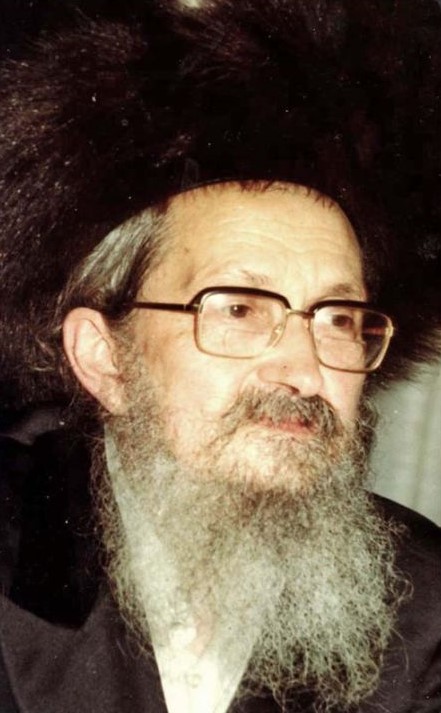
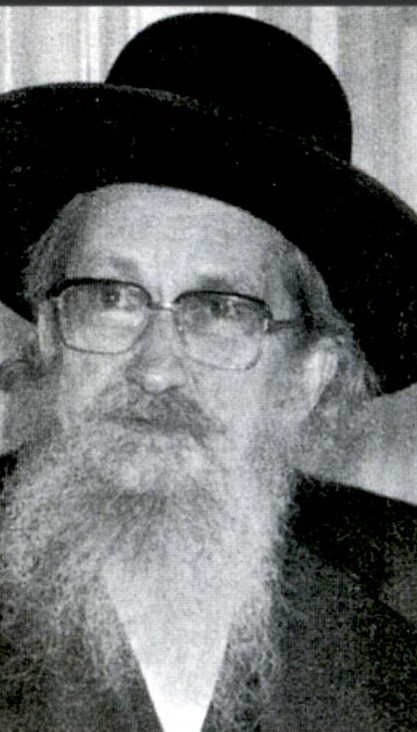
Rav Sholom Noach Berezovsky zt"l
Through his voluminous writings, Rav Berezovsky was among the most influential of contemporary Chassidic Rebbes, and his impact was felt among Chassidim and non-Chassidim alike. A leading Lithuanian (i.e. non-Chassidic) Rosh Yeshiva in Eretz Yisrael reportedly referred to Rav Berezovsky's work Nesivos Shalom as the "Mesillas Yeshorim of our times". (Mesillas Yeshorim is a classic mussar work written in the eighteenth century.)
Rav Berezovsky was born on the fourteenth of Av, 5671 (August 8, 1911) in Baranovichi (today in Belarus), where his father, Rav Moshe Avrohom, was the Rosh HaKohol (president of the Jewish community). Baranovichi is best-known to many as the home of Rav Elchonon Wasserman and his Yeshiva, but it was also the home of the Slonimer Rebbe, Rav Avrohom Weinberg, and his famed Yeshiva, Toras Chessed. (Rav Weinberg, known as the Bais Avrohom, was a great-grandson and namesake of the first Slonimer Rebbe, known as the Yesod Ha’avoda. Rav Berezovsky's mother was a granddaughter of Rav Hillel, a brother of the Yesod Ha’avoda.)
The future Rav Berezovsky studied in Yeshiva Toras Chessed under its Rosh Yeshiva, Rav Avrohom Shmuel Hirshovitz (a grandson of Rav Eliezer Gordon of Telz) and its mashgiach, Rav Moshe Midner (a grandson of the Yesod Ha’avoda and a student of Rav Chaim "Brisker" Soloveitchik). With such leaders, the Slonimer Yeshiva was virtually unique in combining Talmudic studies in the Lithuanian style with traditional Chassidic teachings.
In approximately 1930, the Bais Avrohom appointed Rav Berezovsky to commit to writing (after Shabbos, of course) the Torah lessons that he (the Rebbe) delivered every Shabbos. These notes later became the sefer Bais Avrohom. Shortly before his own passing in 1933, the Bais Avrohom recommended to his cousin, Rav Avrohom Weinberg of Teveriah that he take Rav Brazovsky as a son-in-law. (Teveriah was home to many Slonimer Chassidim, including Rav Avrohom's brother, the father of Rav Yaakov Weinberg, the late Rosh Yeshiva of Ner Yisrael, and Rav Noach Weinberg, the late founder of Aish HaTorah.)
In 1940, Rav Berezovsky was appointed Rosh Yeshiva of the Lubavitcher Yeshiva Achai Temimim in Tel Aviv. On Rosh Chodesh Cheshvan 5702 (October 21, 1941), he opened the Slonimer Yeshiva in Yerushalayim with five students. As had been the case in Baranovichi, the Yeshiva offered traditional Chassidic teachings alongside Talmudic lectures, using the Lithuanian style of analysis. Rav Berezovsky also could be found sitting with the students for hours on end, especially on Friday night, teaching them the traditional Slonimer melodies.
Rav Berezovsky's Yeshiva served as the kernel for the rebirth of Slonimer Chassidus after the group's near-destruction in the Holocaust. The last pre-war Slonimer Rebbe, Rav Shlomo Dovid Yehoshua Weinberg, was killed in 1944, and for ten years, no successor was named. In 1954, Rav Berezovsky's father-in-law agreed to assume the mantle of Rebbe. (His teachings are collected – again, by Rav Berezovsky – in the work Birchas Avrohom, and he is known by that name.)
With the exception of the Yesod Ha’avoda, none of the Slonimer Rebbes or their predecessors, the Rebbes of Lechovitch (Lyakhovichi) and Kobrin, committed their teachings to writing. As part of his effort to rejuvenate Slonimer Chassidus, Rav Berezovsky was responsible for collecting the oral traditions ascribed to these leaders in works such as Divrei Shmuel and Toras Avos (in addition to the works already mentioned). Rav Berezovsky also authored many volumes of his own teachings, including the seven-volume Nesivos Sholom and many smaller works on educational topics, marital harmony and other issues. One distinguishing feature of those works is Rav Berezovsky's practice of deriving practical, moral and ethical teachings from pesukim, using traditional Chassidic methods of interpretation.
Rav Berezovsky served as the Slonimer Rebbe after his father-in-law's petira on the twelfth of Sivan 5741 (1981). He was succeeded by his son, Rav Shmuel.
(Sources: Hamodia, August 18, 2000, p. 24; Marbitzei Torah Me'olam Ha'Chassidus Volume I, page 177; ibid, Volume III, page 167)